
Bases and mounting for every layout
Shade only stays up if the base is right. Foris Hortus supplies resin bases for table layouts, fillable HDPE shells for container projects, steel-plate concrete and welded marble bases up to 360 kg for large cantilevers, and rustproof in-ground sleeves for permanent installations. Weight class, pole fit and mounting method are confirmed together, because a canopy is only as stable as the point where it meets the ground.
Bases in place
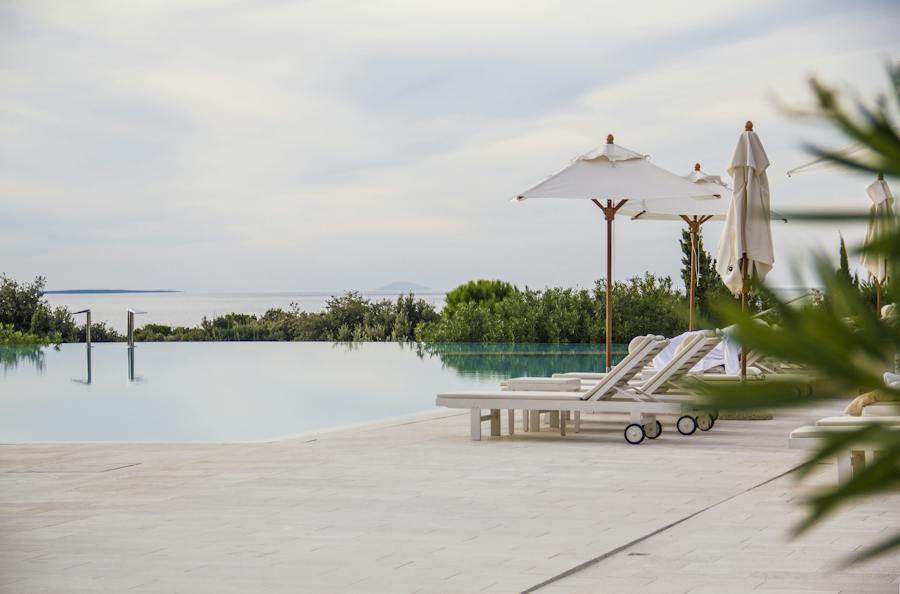 Freestanding on decking
Centre-pole models on solid, level surfaces
Freestanding on decking
Centre-pole models on solid, level surfaces
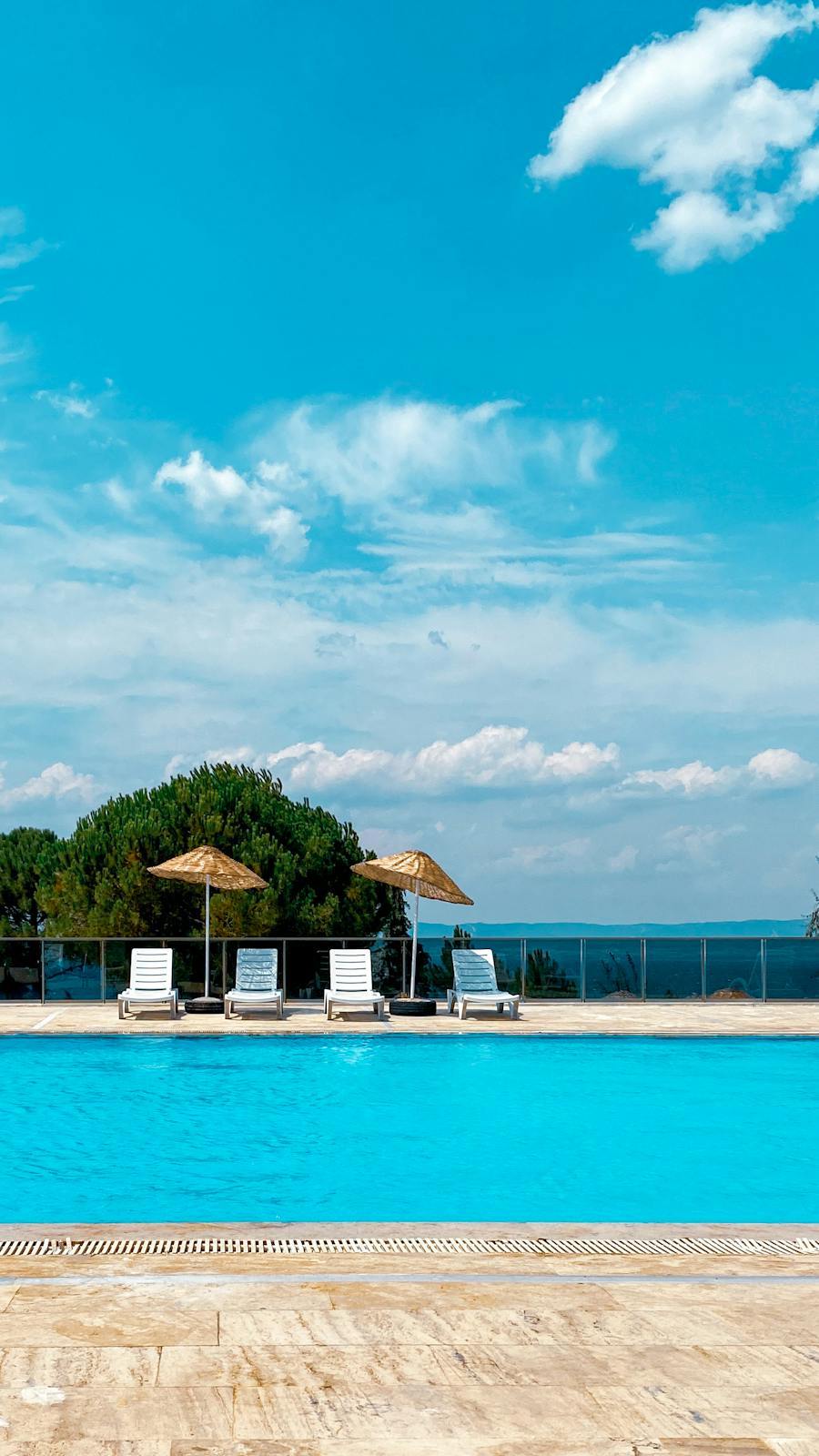 Bases on paving
Weight on the ground, pole out of the way
Bases on paving
Weight on the ground, pole out of the way
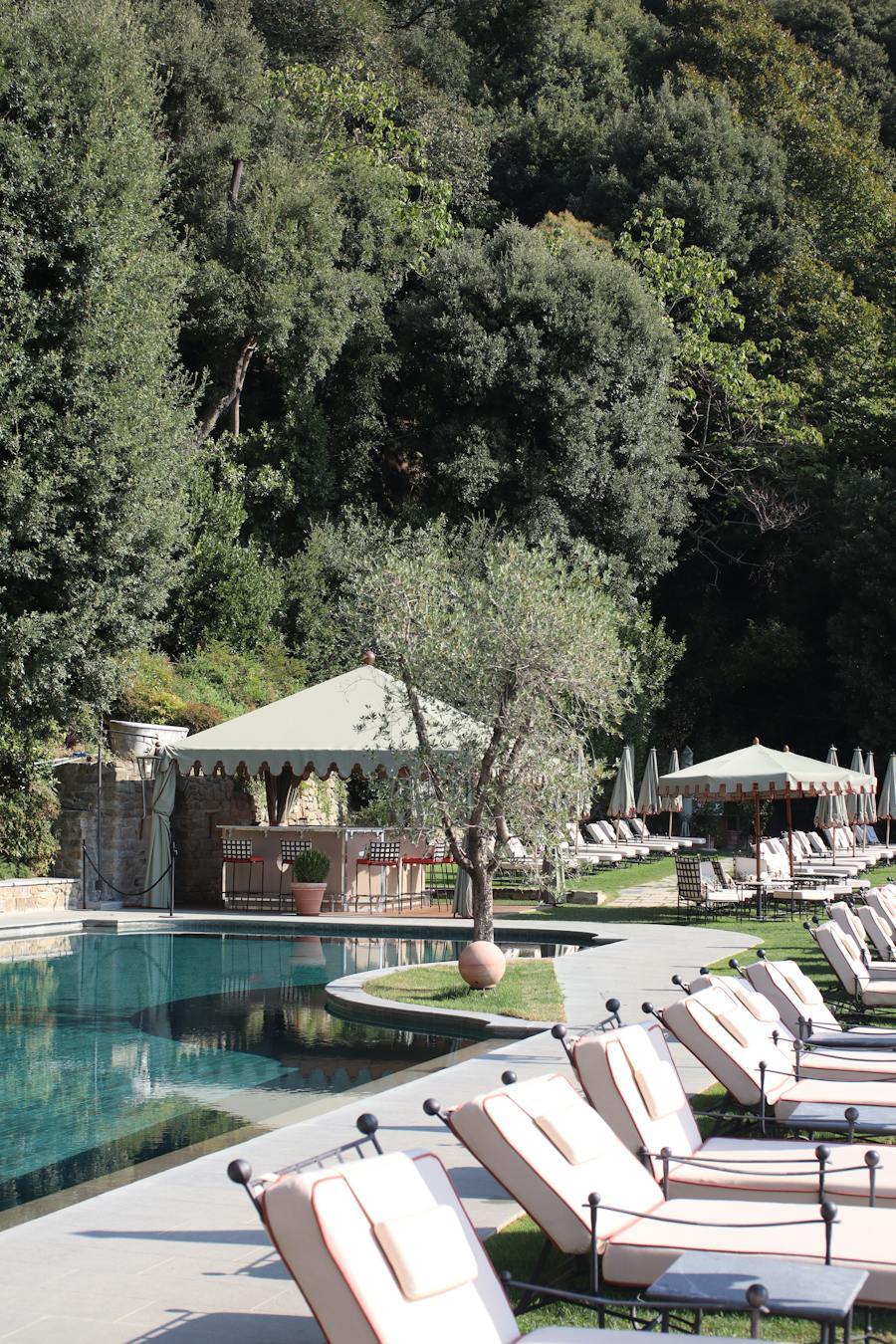
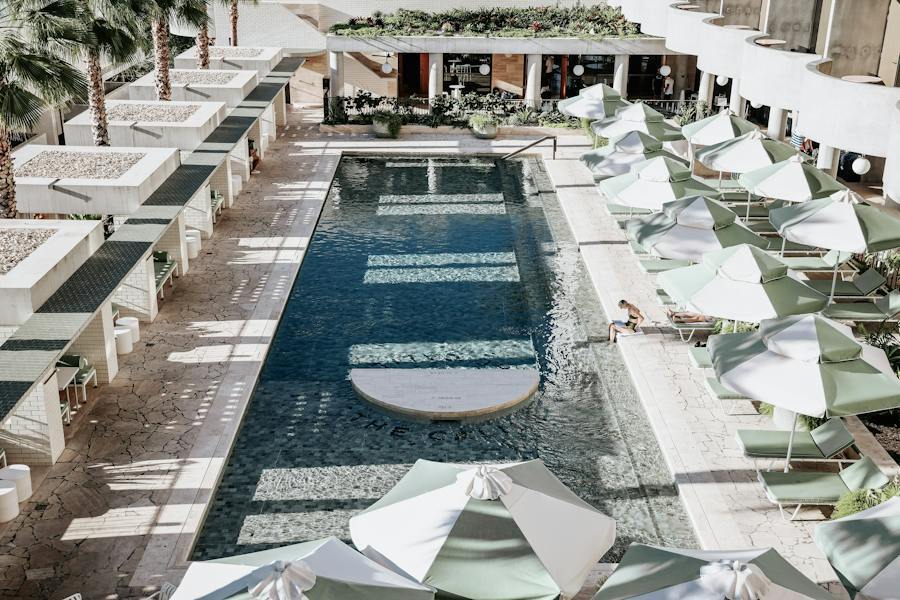 Repeated across a terrace
Matched bases in a hotel or resort rollout
Repeated across a terrace
Matched bases in a hotel or resort rollout
Base families at a glance
How to choose the right base and mounting
Four decisions set the base: weight, pole fit, mounting method and the material that suits the site. Fix them in that order.
 Step 1: weight class
About 10 lb of ballast per foot of canopy, less when the table carries the load.
Step 1: weight class
About 10 lb of ballast per foot of canopy, less when the table carries the load.
 Step 2: pole fit
Match 38, 48 or 50 mm holders and add an adapter ring when swapping poles.
Step 2: pole fit
Match 38, 48 or 50 mm holders and add an adapter ring when swapping poles.
 Step 4: mounting method
Through-table, freestanding, cross base with plates, or in-ground sleeve.
Step 4: mounting method
Through-table, freestanding, cross base with plates, or in-ground sleeve.
1. Set the weight class
Canopy size, mounting and exposure decide the ballast. Fillable shells ship empty and gain weight on site.
2. Check the pole fit
The holder has to grip the pole without rattle, and the pole has to pass the table hole as well.
3. Pick the mounting method
Through-table for dining, freestanding for open decks, plates or sleeves where nothing can move.
4. Match the surface and material
Resin and concrete suit paving, fillable shells suit container freight, in-ground suits permanent sites.
Choose by situation
Do and avoid
Using a centre-pole base under a cantilever. The offset canopy loads the base with leverage, not just weight.
Shipping a filled base. Fillable shells are designed to travel empty and be filled on site.
Check the surface first. A base that rocks on decking gaps loses much of its effective weight.
Plan the winter routine. Drain water-filled shells before freezing weather and store bases flat.
Choose your specification
Every line is a selectable option. Send the combination you need with your enquiry.
A base color matched on cast aluminium parts is offered above 500 pieces. MOQ is adjusted to your order volume.
From layout to shipment
Send the layout
Canopy size, structure type, pole diameter and surface.
Base confirmed
Weight class, holder size and mounting method agreed.
Fill and site plan
Fill material, drain points and handling for your site.
Packing and shipping
Empty-shipping packing plan, documented QC, your cartons.
Frequently asked questions
How heavy should an umbrella base be? Start at about 10 lb of ballast per foot of canopy diameter, roughly 90 lb for a 9 ft canopy, and add 25 to 50 percent for exposed, coastal or rooftop sites. Through-table setups normally need 30 to 50 lb.
Resin, concrete or fillable? Resin suits table layouts and decorative terraces, steel-plate concrete and welded marble suit permanent heavy loading, and fillable HDPE shells cut freight cost on container projects.
Can one base serve a centre pole and a cantilever? No. A cantilever needs model-specific ballast, usually a cross base with plates or a 160 to 360 kg one-piece base.
What is the winter routine? Drain water-filled shells before freezing weather to avoid cracking, and store resin and concrete bases flat so they keep their shape.
Send the canopy size, structure type, pole diameter and the surface you are mounting on, and we return a matched base specification with a landed quotation.
Related: size and shape customization, frame and structure customization, resin vs water-filled vs concrete bases.