
Responsibility
Sustainability Begins with Longevity
Long use is the most honest form of sustainability. We do not treat sustainability as a label on a material - we treat it as a design decision that starts with how long a product is wanted, used and kept.
How we put it into practice
These are the principles we work by, and the standard we hold ourselves to when we describe them publicly.
Development and materials
Consider durability, ease of maintenance, replaceable parts and appropriate packaging during development. Review material sources and supplier information, and keep exploring more responsible materials and longer-lasting structures.
Keeping products in use
Avoid encouraging unnecessary replacement through short-lived trends. Consider real conditions of use, maintenance needs and product lifespan, and confirm our service capabilities before describing care and spare-parts support.
Evidence and scope
Distinguish beliefs, goals and demonstrated results. Material percentages, certifications, test results and environmental improvements are stated with the relevant products, scope, methods and dates - or a verifiable record. Progress is reported only when it has been made.
How we communicate it
Longevity alone does not establish a product's overall environmental performance. We do not present ambitions as achievements, imply that sustainability is a certification held by the entire range, or claim that a product has no environmental impact.
Quality first, in both directions
Do not sacrifice quality for sustainability, or overlook the environment in pursuit of quality. We work on both at once: a product that lasts longer uses fewer resources over its life, and a product that is well made is one people keep rather than replace.
For each model, our documentation sets out performance in the conditions it is meant for - sunlight, rain, wind, temperature change, cleaning and storage - together with maintenance guidance and the spare parts available for it.
Made to live with nature
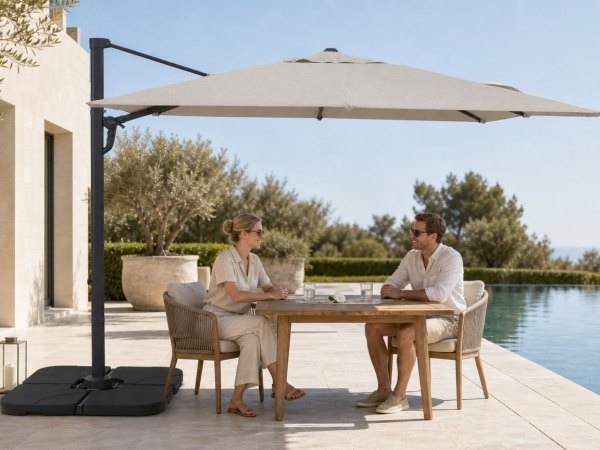
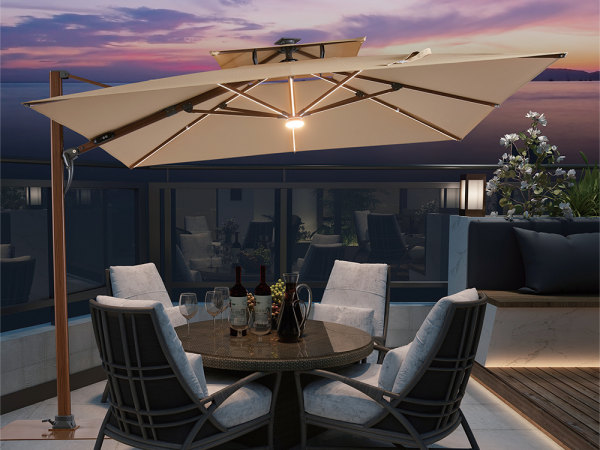
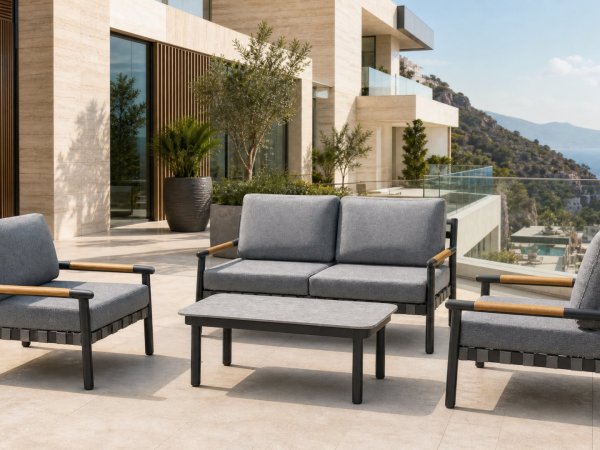
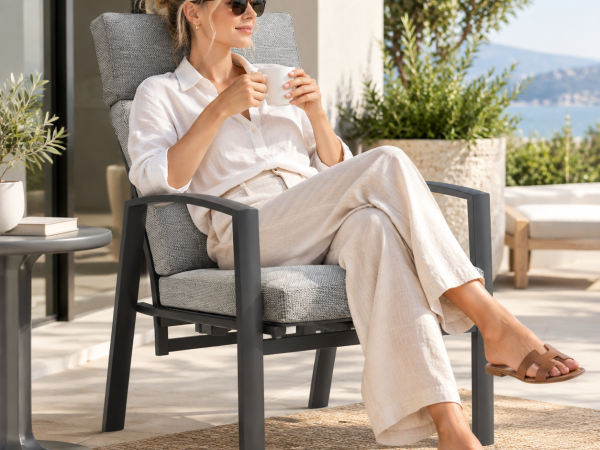
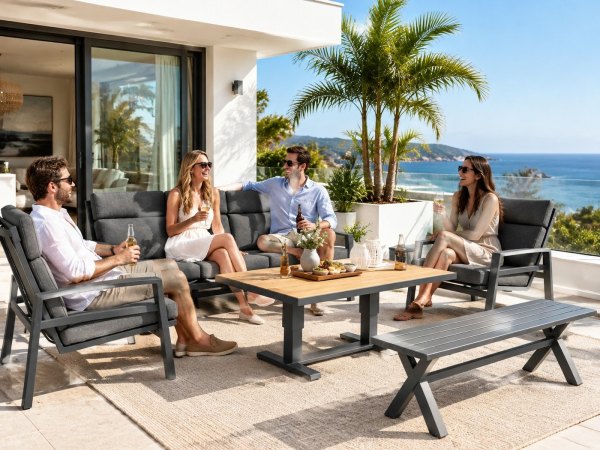
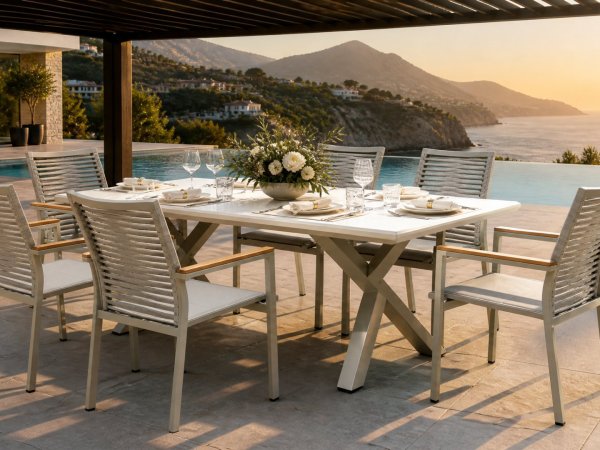
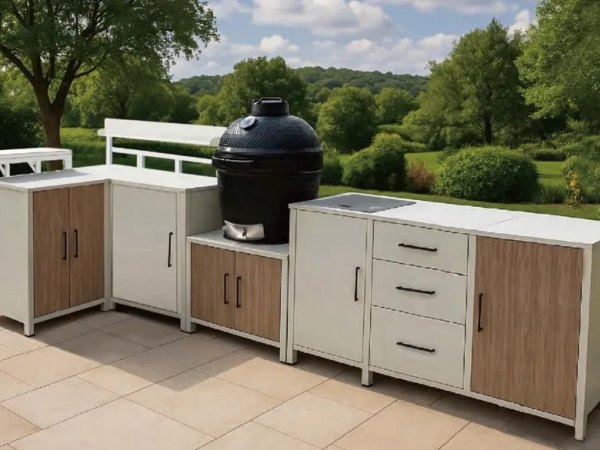
We believe the best outdoor furniture doesn't need to demand attention. It should quietly belong - within architecture, within a garden, within nature. It should endure. It should be part of everyday life. It should witness the moments people share.
And it should do so with as little unnecessary burden on nature as possible. That is why we want every FORIS HORTUS product to become a Silent Companion. Not something that conquers nature. Not something that decorates it. Something designed to live alongside it.
Furniture should step back, so life can step forward.
Ask us for the specifics
If a project needs documented material, certification, test or care information for a particular model, tell us which model and which condition you need it for - we will provide what we can actually verify, and tell you plainly where the limit sits.