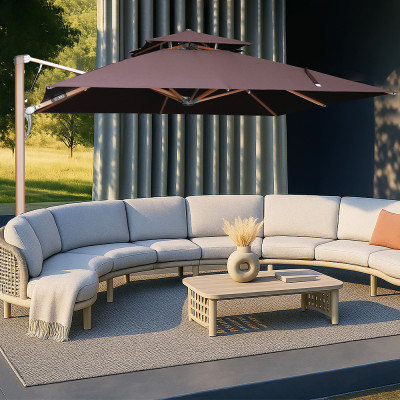
Creating a Cozy Retreat: The Role of Custom Outdoor Umbrellas
Your outdoor space should be an extension of your home, a place where you can relax, entertain, and truly unwind. But let's be honest, direct sunlight can often turn a perfect outdoor setting into an uncomfortable one. That's where custom outdoor umbrellas from Foris Hortus come in, transforming your patio, deck, or garden into a comfortable and inviting retreat.
I'm here to guide you through how a custom outdoor umbrella enhances comfort, style, and usability, making your outdoor oasis a year-round haven. We'll explore various types, customization options, and essential maintenance tips to help you choose the perfect custom outdoor umbrella for your needs.
Key Takeaways
- Essential Protection: A high-quality custom outdoor umbrella is more than just a shade provider; it's a crucial line of defense against the elements. It shields you from harmful UV radiation, which is a significant risk factor for skin damage, and offers shelter from unexpected light rain, allowing you to continue enjoying your outdoor space. Look for fabrics with a high UPF rating for maximum sun protection.
- Enhanced Comfort and Functionality: By blocking direct sunlight, umbrellas create a significantly cooler and more comfortable environment. Some cooling models can even reduce the perceived temperature by up to 40%. They also help define distinct zones in your outdoor area—creating a dedicated space for dining, lounging, or conversation—thereby increasing the overall usability of your patio or deck.
- Types and Customization: The two primary types of outdoor umbrellas are market umbrellas (center pole) and cantilever umbrellas (offset pole). Market umbrellas are classic and ideal for dining tables with umbrella holes, while cantilever umbrellas offer unobstructed shade and greater flexibility with features like 360-degree rotation and advanced tilting. Customization options from brands like Foris Hortus allow you to choose specific colors, fabrics, and even add unique branding or decorative accents like fringe to perfectly match your aesthetic.
- Making the Right Choice: Selecting the perfect umbrella involves several key considerations. The size should be determined by the area you want to shade, with a general rule of thumb being that the umbrella should extend at least two feet beyond the edge of the table or seating area on all sides. The durability is dictated by the materials; look for robust frames made of aluminum or wood and high-performance canopy fabrics like solution-dyed acrylic (e.g., Sunbrella), olefin, or polyester, which offer varying degrees of fade, water, and mildew resistance.
- Longevity Through Maintenance: Proper care is essential to extending the life of your custom outdoor umbrella. Regular cleaning involves brushing off loose dirt, spot cleaning stains with mild soap and water, and occasionally performing a deeper clean for stubborn grime or mildew. It is also crucial to store the umbrella properly when not in use, especially during winter or in windy conditions, to prevent damage.
Why a Custom Outdoor Umbrella is Essential for Your Cozy Retreat
Creating a true outdoor retreat is about more than just stylish furniture; it's about crafting a space that is comfortable, functional, and safe. A custom outdoor umbrella is a cornerstone of this vision, providing the essential protection and ambiance needed to transform any patio or deck into a cherished getaway. It’s a versatile tool that allows you to control your environment, making your outdoor living experience more enjoyable, no matter the weather.
Protection from the Elements with a Custom Outdoor Umbrella
The unpredictable nature of weather can quickly disrupt outdoor plans. A well-chosen umbrella stands as a reliable guardian, shielding you and your guests from both the sun's intensity and sudden downpours, ensuring your comfort and extending the time you can spend enjoying the fresh air.
Shielding from Sun and UV Rays
One of the most critical functions of a patio umbrella is to provide protection from the sun's harmful ultraviolet (UV) radiation. Excessive exposure to UV rays is linked to numerous health issues, including sunburn, premature skin aging, and an increased risk of skin cancer.
A quality outdoor umbrella acts as a physical barrier, significantly reducing the amount of direct UV radiation you're exposed to while relaxing outdoors. High-performance fabrics, such as those offered by Foris Hortus, are specifically engineered with a high Ultraviolet Protection Factor (UPF) to block the vast majority of these harmful rays. For instance, some heavy-duty polyester fabrics can block up to 98% of UV rays.
However, it's important to remember that umbrellas are most effective against direct UV rays and offer less protection from rays reflected off surfaces like water, sand, or concrete. For comprehensive sun safety, it’s best to combine the use of an umbrella with other protective measures like sunscreen.
Shelter from Light Rain and Unpredictable Weather
An unexpected drizzle doesn't have to send everyone rushing indoors. A custom outdoor umbrella with a water-resistant or waterproof canopy can provide ample shelter during light rain showers, allowing your gathering to continue uninterrupted.
It's helpful to understand the difference between "water-resistant" and "waterproof" fabrics.
- Water-resistant fabrics have a tightly woven structure or a special coating that causes water to bead up and roll off. They are suitable for light mist and brief showers but may become saturated during prolonged exposure.
- Waterproof fabrics, often made from materials like PVC-coated polyester, offer a complete barrier against moisture and are ideal for climates with frequent rain. However, these fabrics are typically less breathable and may trap heat.
Many high-quality umbrella canopies, such as those made from acrylic or olefin, inherently repel water and dry quickly, which also helps prevent the growth of mildew. This feature not only keeps you dry but also protects your outdoor furniture from water damage.
Creating Comfort and Functionality with a Custom Outdoor Umbrella
Beyond protection, a custom outdoor umbrella fundamentally enhances the comfort and usability of your outdoor space. It transforms a sun-drenched, sweltering patio into a cool, inviting haven and helps to structure the area for various activities.
Cooler Temperatures and Enhanced Comfort
By blocking the sun's direct rays, an umbrella creates a pocket of significantly cooler air. Some specialized umbrella models are even designed with heat shields that can reduce the perceived temperature under the canopy by as much as 15-40%. This cooling effect makes a tremendous difference on hot summer days, allowing you to comfortably dine, read, or socialize outdoors even during peak sun hours.
The choice of fabric color can also influence comfort. Lighter colors like beige or white reflect more sunlight and create a clean, airy feel, while darker colors absorb more heat but can offer slightly better UV blockage. Ultimately, the shade an umbrella provides is the most critical factor in creating a more comfortable and usable outdoor environment.
Defining Spaces and Increasing Usability
A strategically placed umbrella can act as a visual anchor, helping to define and organize your outdoor area. You can use a large cantilever umbrella to create a designated lounge area over a sofa set or a market umbrella to centerpiece a dining space. This division creates "outdoor rooms," making the space feel more intentional and functional.
This enhanced functionality allows you to get more use out of your property. An outdoor dining area becomes viable for midday lunches, and a poolside lounge becomes a comfortable spot for all-day relaxation. By adding this layer of comfort and structure, a custom umbrella from Foris Hortus essentially expands the living area of your home, turning your patio into a versatile and highly utilized retreat.
Choosing the Perfect Custom Outdoor Umbrella for Your Space
Selecting the right outdoor umbrella is a crucial decision that impacts not only the aesthetics of your space but also its functionality and longevity. With a wide array of options available, understanding the different types and key features will empower you to make an informed choice that perfectly suits your needs.
Understanding Different Types of Custom Outdoor Umbrellas
The two most common styles of outdoor umbrellas are market umbrellas and cantilever umbrellas. Each offers distinct advantages in terms of placement, coverage, and operation.
Market Umbrellas: Classic and Versatile
The market umbrella is the traditional style, characterized by a straight pole located in the center of the canopy. This classic design is highly versatile and works exceptionally well with outdoor dining tables that have a pre-drilled umbrella hole.
Pros:
- Classic, timeless aesthetic.
- Generally more compact and lightweight, making them suitable for smaller spaces like balconies or bistros.
- Often more budget-friendly than cantilever styles.
- Stable design, especially when anchored through a sturdy table and a heavy base.
Cons:
- The center pole can be an obstruction, both visually and physically.
- Provides a fixed shade pattern directly around the pole, offering less flexibility.
Market umbrellas remain a popular choice for their simplicity and elegant look, seamlessly integrating into various outdoor dining setups.
Cantilever Umbrellas: Flexible and Unobstructed Shade
Cantilever umbrellas, also known as offset umbrellas, feature a curved or jointed pole positioned to the side, allowing the canopy to hang freely over a designated area. This innovative design eliminates the central pole obstruction, providing an open and versatile shaded space.
Pros:
- Provides completely unobstructed shade, making it perfect for covering lounge sets, conversation areas, or hot tubs.
- Highly flexible, with many models offering 360-degree rotation and advanced tilting capabilities (both side-to-side and front-to-back).
- A single cantilever umbrella can shade a much larger and more varied area than a market umbrella of a similar size.
Cons:
- Requires a significantly heavier base (often 400 lbs or more) to ensure stability.
- Generally more expensive due to their complex mechanisms and larger size.
- Can be more susceptible to wind if not properly secured, acting like a sail.
Cantilever umbrellas from Foris Hortus are the ultimate solution for those seeking maximum shade flexibility and functionality.
Key Considerations for Your Custom Outdoor Umbrella
Once you've decided on a style, several other factors must be considered to ensure you choose the perfect model. These details will determine how well the umbrella performs and how long it lasts.
Size and Coverage: Ensuring Adequate Shade
The primary function of an umbrella is to provide shade, so getting the size right is paramount. A common rule of thumb is to choose an umbrella that extends at least two feet beyond each side of the area you want to shade.
| Table/Area Size & Shape | Recommended Umbrella Size (Diameter/Width) |
|---|---|
| 30-36 inch (Seats 2) | 6-7.5 feet |
| 38-48 inch (Seats 4) | 7.5-9 feet |
| 50-60 inch (Seats 6) | 9-11 feet |
| 62-78 inch (Seats 8) | 11-13+ feet |
| Large Lounge or Sectional Set | 10x13 feet Rectangular or 13+ feet Octagonal |
To find the right size, measure the length and width of your dining table or seating area, then add four feet to each dimension to get a good estimate for the ideal canopy size.
Material and Durability: Built to Last
An outdoor umbrella is an investment, so choosing durable materials for both the frame and the canopy is essential for longevity.
Frame Materials:
- Aluminum: The most popular choice for modern umbrellas. It is lightweight, strong, and naturally rust-resistant. Anodized or powder-coated aluminum offers enhanced protection against corrosion and scratches.
- Wood: Offers a classic, natural aesthetic. Hardwoods like teak or eucalyptus are naturally resistant to rot and insects but require more maintenance (e.g., periodic sealing) and can be heavier.
- Steel: Incredibly strong and often used for the bases or structural components of heavy-duty commercial umbrellas. It must be powder-coated or treated to prevent rust.
Canopy Fabrics: The canopy is constantly exposed to the elements, so its material is critical for durability and protection.
- Solution-Dyed Acrylic (e.g., Sunbrella®): Considered the gold standard for outdoor fabrics. The color is locked into the fibers before they are woven, providing exceptional resistance to fading. It's also breathable, water-resistant, and mildew-resistant.
- Olefin (Polypropylene): A robust synthetic fabric known for its strength, stain resistance, and excellent moisture and mildew resistance. It offers great value and durability.
- Polyester: A common and budget-friendly option. It's lightweight and quick-drying. For better performance, look for solution-dyed or coated polyester, as standard polyester can be prone to fading over time.
Aesthetics and Style: Complementing Your Design
Your custom outdoor umbrella should be a seamless extension of your outdoor decor. Foris Hortus offers extensive customization to ensure your umbrella complements your personal style. Choose a canopy color that either blends with your existing palette for a subtle, elegant look or provides a bold pop of color to serve as a vibrant focal point. The shape of the canopy—be it octagonal, square, or rectangular—also contributes to the overall aesthetic and can be chosen to mirror the shape of your table or patio.
Features like Tilt and Rotation for Optimal Placement
To combat the moving sun, look for an umbrella with advanced positioning features.
- Tilt Mechanisms: Allow you to angle the canopy as the sun moves across the sky. Common types include push-button tilts, crank-to-tilt (auto-tilt), and collar tilts, which offer varying levels of convenience.
- 360-Degree Rotation: A key feature on most cantilever umbrellas, this allows you to spin the canopy around the mast to shade different areas throughout the day without moving the heavy base. This dramatically increases the umbrella's utility, especially for large, multi-functional spaces.
Customization Options to Personalize Your Custom Outdoor Umbrella
One of the greatest advantages of opting for a custom outdoor umbrella is the ability to tailor it to your exact specifications, creating a piece that is truly unique to your home or business. With Foris Hortus, personalization goes beyond simple color choices, allowing you to craft an umbrella that is a true reflection of your style and brand identity.
Colors, Designs, and Branding for Your Custom Outdoor Umbrella
The visual impact of your umbrella can be profound, and customization opens up a world of possibilities.
Color Palette: You can select a canopy color that harmonizes with your outdoor furniture cushions, rugs, and planters for a cohesive design. Alternatively, choose a contrasting, vibrant color to create a dramatic statement piece that draws the eye. Lighter neutral shades create a feeling of spaciousness, while bold, dark colors can add a touch of drama and sophistication.
Patterns and Prints: Move beyond solid colors with custom patterns. Whether you envision classic stripes for a coastal vibe or a modern geometric print, custom printing allows you to express your personality. High-quality printing methods using UV-resistant inks are essential to ensure the design remains vivid and does not fade under sun exposure.
Logos and Branding: For commercial settings like cafes, restaurants, or hotels, custom umbrellas are powerful branding tools. Printing your company logo on the canopy turns a functional shade element into a highly visible advertisement. This not only reinforces your brand identity but also creates a professional and polished look for your outdoor seating areas. The process is often simple: you provide your artwork, and a mock-up is created for your approval before production begins.
Unique Accents: Fringe and Tassels for Your Custom Outdoor Umbrella
To elevate the style of your umbrella even further, consider adding decorative details. These small touches can transform a standard umbrella into a luxurious, high-end design feature.
Fringe: Adding fringe to the valance of the umbrella canopy introduces a touch of bohemian or vintage elegance. It creates texture and movement, softening the lines of the umbrella and adding a playful, sophisticated flair. A classic white or black fringe can look incredibly chic, while a colorful fringe can tie into other accent colors in your decor.
Tassels: For a more subtle but equally charming accent, tassels can be added to the ends of the umbrella ribs or along the valance. This detail adds a bespoke, handcrafted feel to the umbrella, signaling a high level of quality and attention to detail.
At Foris Hortus, we believe that these fine details make all the difference. We work with you to choose the perfect combination of colors, designs, and accents, ensuring your custom outdoor umbrella is a one-of-a-kind masterpiece that enhances your cozy retreat.
Maintaining Your Custom Outdoor Umbrella for Longevity
A high-quality custom outdoor umbrella is a significant investment in your outdoor comfort and style. To protect this investment and ensure it looks great and functions perfectly for years to come, regular maintenance is crucial. Proper cleaning and storage will prevent premature wear, fabric degradation, and mechanical issues.
Regular Cleaning for Your Custom Outdoor Umbrella
Consistent cleaning prevents dirt, pollen, and grime from becoming deeply embedded in the fabric and helps to inhibit the growth of mildew.
General Cleaning Steps:
- Brush Off Loose Debris: Before using any water or cleaning solutions, use a soft bristle brush to gently brush off any loose dirt, leaves, and cobwebs. This prevents you from rubbing abrasive particles into the fabric.
- Prepare a Mild Cleaning Solution: Mix a solution of mild soap (like dish soap) and lukewarm water. A common ratio is about 2 ounces of soap per gallon of water. Avoid using harsh detergents, as they can damage the fabric's protective coating and cause colors to fade.
- Scrub Gently: Apply the soapy solution to the canopy using a sponge or soft brush. Scrub in gentle, circular motions, paying extra attention to any stained areas.
- Rinse Thoroughly: Use a garden hose to rinse the canopy completely, ensuring all soap residue is washed away. Soap residue can attract more dirt and promote mildew growth.
- Air Dry Completely: Always let the umbrella air dry in the open position. If possible, let it dry in the sun to help prevent mildew. Never close or store a damp canopy, as this is the primary cause of mildew and fabric rot.
For Stubborn Stains and Mildew: If you encounter tougher stains or mildew, you may need a slightly stronger solution.
- For many high-performance fabrics like Sunbrella, you can prepare a solution including bleach. A typical recommendation is to mix 1 cup of bleach and ¼ cup of mild soap per gallon of water.
- Spray this solution onto the affected area and let it soak for about 15 minutes before scrubbing with a soft brush and rinsing thoroughly. Always check the fabric manufacturer’s cleaning guidelines before using bleach.
Proper Storage and Protection for Your Custom Outdoor Umbrella
How you store your umbrella, both overnight and during the off-season, plays a vital role in its longevity.
Daily and Seasonal Protection:
- Close When Not in Use: Always close your umbrella when it's not in use, especially during windy conditions. Strong gusts of wind can damage the ribs, pole, and tilting mechanisms, and this type of wind damage is typically not covered by warranties.
- Use a Protective Cover: Investing in a high-quality, weather-resistant cover is one of the best things you can do for your umbrella. A cover protects the canopy from UV exposure (which can cause fading over time), bird droppings, dirt, and moisture when the umbrella is closed.
Off-Season and Winter Storage:
- Clean and Dry Thoroughly: Before storing your umbrella for the winter, give it a thorough cleaning and ensure it is completely dry.
- Store in a Dry, Sheltered Location: Remove the umbrella from its base and store it upright in a dry, protected area like a garage, basement, or shed. This protects it from harsh winter weather, including snow and ice, which can cause significant damage to the frame and fabric.
- Check for Removable Canopies: Some umbrellas have canopies that can be easily removed from the frame. If so, you can machine wash the canopy on a cold, gentle cycle (if permitted by the manufacturer) and store it separately after it has fully air-dried.
By following these simple maintenance steps, you can keep your Foris Hortus custom outdoor umbrella in pristine condition, ready to provide shade and style for many seasons to come.
Frequently Asked Questions (FAQ)
1. What is the most durable fabric for a custom outdoor umbrella? Solution-dyed acrylic fabric, with Sunbrella being a leading brand, is widely considered the most durable option for outdoor umbrellas. This is because the coloring process infuses the pigment into the core of the fibers, making it exceptionally resistant to fading from UV exposure. Additionally, acrylic fabric is highly resistant to water and mildew, breathable, and easy to clean, often lasting 8-10 years with proper care. Other durable options include olefin and solution-dyed polyester, which offer a good balance of performance and value.
2. How do I choose the right size umbrella for my patio table? A simple and effective rule is to ensure the umbrella canopy extends at least two feet over the edge of your table on all sides. For example, if you have a 4-foot round table, you should look for an umbrella that is at least 8 feet in diameter. This provides ample shade for everyone seated at the table, even as the sun's angle changes throughout the day. For rectangular tables, choose a rectangular umbrella that provides similar coverage along its length and width.
3. Can cantilever umbrellas withstand wind? Cantilever umbrellas are more susceptible to wind than market umbrellas due to their offset design, which can act like a sail. However, high-quality cantilever umbrellas from brands like Foris Hortus are engineered for stability. Their resilience depends on two key factors: a robust frame and a very heavy base. A base of 400 pounds or more is often required to securely anchor the umbrella. It is always recommended to close the umbrella during gusty or strong wind conditions to prevent damage.
4. What's the difference between a market umbrella and a cantilever umbrella? The main difference is the pole position. A market umbrella has a central pole that typically goes through the middle of a dining table. A cantilever umbrella has its pole and base offset to the side, allowing the canopy to hang over an area without obstruction. This makes cantilevers ideal for shading lounge furniture or conversation areas where a central pole would be in the way. Cantilevers also tend to offer more advanced features like 360-degree rotation and multi-axis tilting.
5. How can I prevent my umbrella canopy from fading? The best way to prevent fading is to choose a fabric with high UV resistance from the start. Solution-dyed fabrics (like acrylic or some polyesters) are the top choice for colorfastness. Beyond fabric choice, using a protective cover when the umbrella is closed is highly effective. The cover shields the canopy from constant sun exposure, which is the primary cause of fading. Lastly, regular cleaning helps maintain the fabric's integrity and appearance.
6. Is it okay to leave my patio umbrella out in the rain? Most high-quality outdoor umbrellas are made with water-resistant fabric that can handle light to moderate rain showers. However, it is not advisable to leave an umbrella open during heavy downpours or thunderstorms. The weight of pooling water can strain the fabric and ribs, and high winds accompanying a storm can cause severe damage. It's also crucial to let the umbrella dry completely before closing it to prevent mildew.
7. How do I clean mildew off my umbrella canopy? For stubborn mildew on fabrics that can tolerate it (like Sunbrella), a solution of mild soap, bleach, and water is very effective. A common mixture is 1 cup of bleach and ¼ cup of soap per gallon of water. After applying the solution and letting it sit for about 15 minutes, gently scrub the area with a soft brush and rinse thoroughly to remove all bleach residue. Always test the solution on an inconspicuous spot first and check the manufacturer's cleaning instructions.
I believe that by carefully selecting and customizing your outdoor umbrella, you can create a truly unique and comfortable outdoor retreat that reflects your personal style and enhances your daily life. The right umbrella from Foris Hortus serves not just as a shade provider but as a central design element that elevates your entire outdoor experience.
I encourage you to explore the vast possibilities that custom outdoor umbrellas offer. Think about your space, your needs, and your style, and invest in a piece that will transform your outdoor area into the cozy, functional oasis you've always dreamed of.