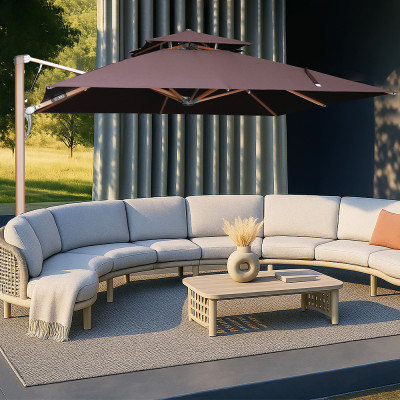
What is the Best Umbrella Material for Your Climate? A Comprehensive Guide
Choosing the perfect patio umbrella involves more than just picking a color or style; it's about finding the right materials to withstand your local climate and provide lasting comfort and protection. As someone who enjoys spending time outdoors, I know how frustrating it can be to have an umbrella fail prematurely due to harsh weather. At Foris Hortus, we believe a great outdoor space starts with durable, well-chosen furnishings.
In this comprehensive guide, I'll walk you through everything you need to know about umbrella material selection by climate, from the canopy fabric to the frame, ensuring you make an informed decision for a durable and functional outdoor space that truly lasts.
Key Takeaways
- Climate is Key: Your local weather—be it intense sun, strong winds, or frequent rain—is the single most important factor in choosing umbrella materials.
- Canopy Fabric Matters: For sunny and harsh climates, solution-dyed acrylics like Sunbrella offer superior UV protection (UPF 50+) and fade resistance. For moderate weather, polyester provides a balance of affordability and good performance. In humid or rainy areas, quick-drying and mildew-resistant fabrics like Olefin are an excellent choice.
- Frame Material Dictates Stability: Aluminum frames are lightweight and rust-proof, ideal for coastal or humid areas. Steel frames offer maximum strength for windy regions but require maintenance to prevent rust. Fiberglass ribs provide a unique advantage by flexing in wind gusts instead of breaking.
- Design Enhances Durability: Features like canopy vents are crucial for wind resistance, as they allow air to pass through, reducing uplift pressure. A heavy, appropriate base is non-negotiable for safety and stability.
Understanding Key Factors in Umbrella Material Selection by Climate
Choosing the right patio umbrella is an investment in your comfort and the longevity of your outdoor decor. The materials used in its construction are the most critical factors determining how well it will hold up against sun, wind, and rain. Before diving into specific fabrics and frames, let's break down the essential climate-related challenges your umbrella will face.
Sun Exposure and UV Protection
Your umbrella's primary job is to provide shade, but not all shade is created equal. Harmful ultraviolet (UV) radiation can cause skin damage and also degrade the umbrella's fabric, leading to fading and weakening over time.
The importance of UPF ratings and specialized fabrics
When selecting an umbrella, the Ultraviolet Protection Factor (UPF) rating is a crucial metric. This rating tells you how effectively the fabric blocks UV radiation. An umbrella with a UPF rating of 50+, for example, can block at least 98% of UV rays. Fabrics achieve high UPF ratings through a combination of tight weaves and specialized chemical treatments or coatings.
Solution-dyed fabrics, where the color is added to the fibers at a molecular level before they are spun into yarn, are exceptionally resistant to fading from UV exposure. Brands like Sunbrella use this process with acrylic fibers and are often recommended by organizations like the Skin Cancer Foundation for their effectiveness.
Darker colored fabrics tend to absorb more UV rays, offering slightly better protection for the person underneath, but this also means the fabric itself takes more of a beating from the sun. Therefore, the quality and type of the fabric are more critical than color alone for long-term durability.
Wind Resistance and Structural Stability
A sudden gust of wind is a patio umbrella's greatest enemy. A poorly designed umbrella can be easily lifted, tipped over, or damaged, posing a safety risk and leading to costly replacements.
Features that make an umbrella wind-resistant (vents, flexible ribs, weighted bases)
Several design features are engineered specifically to combat wind.
- Vented Canopies: This is perhaps the most important feature for wind management. Vents, or a double-canopy design, allow wind to pass through the top of the umbrella. This reduces the upward pressure that can cause an umbrella to lift or topple over. Some advanced designs feature multiple tiers to improve airflow even further.
- Flexible Ribs: The ribs form the skeleton of the canopy. While strong materials are important, flexibility is also key. Fiberglass ribs are highly valued because they can bend with wind gusts without snapping, unlike more rigid materials which might break under intense pressure.
- Frame Material and Weight: The frame's material contributes significantly to stability. Heavy-duty materials like steel provide excellent stability due to their weight, making them suitable for windy areas. Aluminum is lighter but should be of a heavy-gauge and reinforced design to withstand wind.
- A Heavy and Secure Base: No umbrella is wind-proof without a sufficiently heavy and wide base. The size and type of your umbrella (e.g., center pole vs. cantilever) will determine the required base weight, which can range from 50 lbs for a small table umbrella to over 200 lbs for large cantilever models. Cantilever umbrellas, which are suspended from the side, act like a sail and require much more weight to stay grounded. For maximum security in very windy locations, permanent or in-ground mounts are the best option.
How much wind can different umbrella types handle?
Wind resistance ratings can vary by manufacturer and are often tested in controlled environments. However, a general rule is that most standard patio umbrellas should be closed when wind speeds exceed 15-20 mph. High-quality, wind-resistant models may be rated to handle winds up to 30-40 mph, but even these have their limits. It's crucial to follow the manufacturer's guidelines. As a simple rule of thumb, if it's too windy for you to be comfortable sitting outside, it's too windy for your umbrella to be open. Always close and secure your umbrella when strong winds are forecasted or when it's not in use.
Rain, Humidity, and Mold Prevention
Beyond sun and wind, moisture is the third major environmental factor. Whether it's frequent rain or high humidity, water can lead to mold, mildew, and corrosion if you don't choose the right materials.
Water-repellent and quick-drying canopy materials
Canopy fabrics designed for outdoor use are rarely fully "waterproof" but are typically "water-repellent." This means they are treated to make water bead up and roll off. The key is how well and for how long they maintain this property.
- Quick-Drying Fabrics: Materials like polyester, olefin, and acrylic are synthetic and do not absorb much water, allowing them to dry quickly. This is essential in preventing mold and mildew growth.
- Mold and Mildew Resistance: Olefin and acrylic fabrics are naturally resistant to mildew, which is a significant advantage in humid climates. While polyester is also a good option, it may rely more heavily on its chemical treatment to resist mildew.
Frame materials that resist rust and corrosion
The frame's ability to resist moisture is just as important as the canopy's.
- Aluminum: This is an excellent choice for rainy or coastal areas because it does not rust. Most aluminum frames are also powder-coated, which adds another layer of protection and provides color.
- Powder-Coated Steel: Steel is very strong but susceptible to rust. A thick, intact powder-coated finish is essential to protect it from moisture. If this coating is scratched or chipped, the steel underneath can be exposed and begin to rust. Regular inspection and touch-ups are necessary for steel frames, especially in wet climates.
- Fiberglass and Wood: Fiberglass is completely rust-proof, making it a worry-free option in any environment. Wood frames offer a classic aesthetic but require the most maintenance. They must be treated with sealants or oils regularly to prevent them from weathering, rotting, or warping due to moisture.
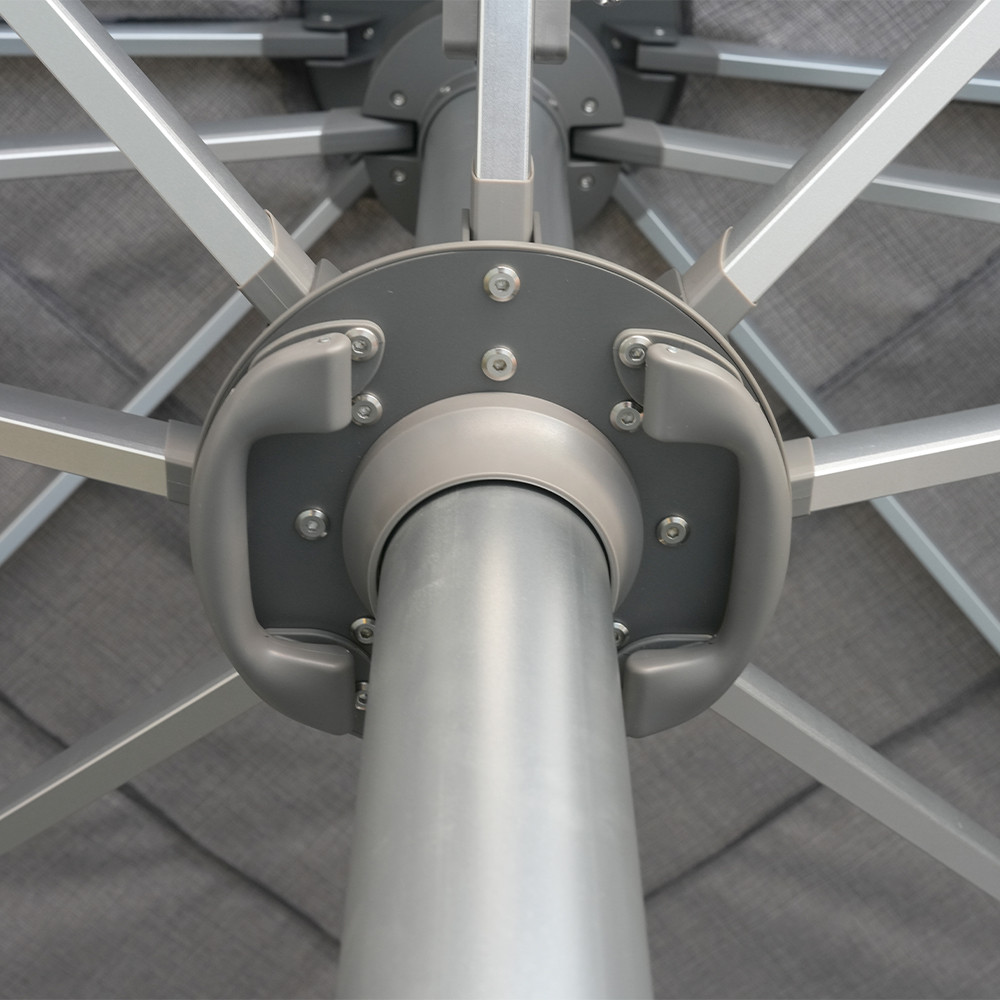
Choosing the Right Canopy Fabric for Your Climate: Thoughtful Umbrella Material Selection by Climate
The canopy is your first line of defense against the elements. Its fabric determines not only the level of UV protection but also its ability to resist fading, water, and mildew. Here’s a breakdown of the most common options to help you choose the best fit for your environment.
Acrylic (e.g., Sunbrella)
Often considered the gold standard for outdoor fabrics, solution-dyed acrylic is a premium choice known for its exceptional durability and long-term performance.
Benefits: Superior UV protection (UPF 50+), fade resistance, water and mildew resistance, durability for harsh conditions.
- Unmatched UV Protection & Fade Resistance: Because the color pigment is mixed into the acrylic fiber at a liquid state, the color is locked in. This makes it incredibly resistant to fading, even in the most intense sun. These fabrics typically offer UPF 50+ protection, blocking up to 98% of harmful UV rays.
- Weather Resistance: Acrylic fabric is highly resistant to water and mildew, and it dries quickly, making it ideal for rainy or humid regions. It’s engineered to withstand years of exposure without losing its integrity.
Best for: High-sun areas, humid or rainy regions, long-term investment.
While acrylic fabrics come with a higher price tag, their longevity (often 5-10 years) makes them a worthwhile investment for those living in harsh climates or anyone who wants a durable, low-maintenance umbrella that will look great for years.
Polyester
Polyester is one of the most common and versatile fabrics used for patio umbrellas, offering a great balance of performance and affordability.
Benefits: Affordable, versatile, good UV protection (especially with treatments), water-resistant.
- Cost-Effective: Polyester is generally much more affordable than acrylic, making it a popular choice for budget-conscious homeowners.
- Good Performance: Modern polyester fabrics offer good UV protection, especially when treated with UV inhibitors. They are also typically coated to be water-repellent and are naturally resistant to stretching and shrinking.
- Vibrant Colors: Polyester holds bright, vibrant colors well, allowing for a wide range of stylish options.
Best for: Budget-friendly options, areas with moderate weather, general use.
A key distinction is solution-dyed polyester, which offers significantly better fade resistance than standard, piece-dyed polyester. While it's a step up in cost, it's a great mid-range option. Standard polyester is an excellent choice for general residential use in areas without extreme sun or rain.
Olefin (Polypropylene)
Olefin is a synthetic fiber that has gained popularity as a strong, eco-friendly, and cost-effective alternative to acrylic.
Benefits: UV-resistant, fast-drying, excellent mold and mildew resistance, good value.
- Exceptional Moisture Resistance: Olefin is highly resistant to moisture, mold, and mildew, and it dries very quickly. This makes it one of the best choices for humid climates or areas with frequent rain showers.
- Good UV and Stain Resistance: It is solution-dyed, giving it strong resistance to fading and staining. It is known for being strong and easy to clean.
- Great Value: Olefin offers performance characteristics similar to acrylic but often at a more accessible price point, providing an excellent balance of cost and durability.
Best for: Humid climates, areas with frequent rain, good balance of performance and cost.
If your primary concern is moisture and mildew, Olefin is a fantastic and reliable choice.
Polyethylene and Canvas
Though less common in modern residential umbrellas, polyethylene and traditional canvas still have specific applications.
Benefits: Breathability for hot, dry climates, rugged durability (canvas).
- Polyethylene (PE): High-Density Polyethylene (HDPE) is a knitted fabric often used in shade sails. It's extremely durable and breathable, allowing hot air to escape, which can create a cooler space underneath. However, it's typically water-resistant, not waterproof.
- Canvas: Traditional canvas is made from cotton or linen and is known for its rugged strength. However, without extensive treatments, it's heavy, absorbs water, and is prone to mildew. Modern "canvas" is often a term for heavy-duty polyester or acrylic fabrics.
Best for: Extremely hot and dry environments seeking airflow.
HDPE fabric can be a great option for very hot, arid climates where airflow for cooling is more important than protection from rain.
| Fabric Type | UV Resistance | Water/Mildew Resistance | Fade Resistance | Best Climate |
|---|---|---|---|---|
| Acrylic (Sunbrella) | Excellent (UPF 50+) | Excellent | Excellent | All climates, especially high-sun/harsh |
| Polyester | Good to Very Good | Good | Good (Better if solution-dyed) | Moderate sun and rain |
| Olefin | Very Good | Excellent | Very Good | Humid, rainy climates |
| HDPE/Canvas | Good to Very Good | Fair (Water-resistant) | Good | Hot, dry climates (for airflow) |
Selecting the Optimal Frame Material for Your Climate
The frame is the backbone of your patio umbrella, providing the necessary support and stability. The ideal material depends on your climate's demands, particularly wind and humidity, as well as your budget and aesthetic preferences.
Aluminum: Lightweight and Rust-Resistant
Aluminum is the most common material for residential umbrella frames, offering a fantastic combination of durability and convenience.
Pros: Light, rust-resistant, good for humid or coastal areas due to corrosion resistance.
Aluminum's greatest advantage is its natural resistance to rust and corrosion. This makes it the perfect choice for humid environments, rainy climates, and coastal regions where salt in the air can quickly degrade other metals. It's also lightweight, which makes opening, closing, and moving the umbrella much easier. Most frames are powder-coated for added protection and color.
Cons: Can bend in very strong winds if not reinforced.
While durable, standard residential-grade aluminum is not as strong as steel and can bend or warp under the force of very strong winds. For windier locations, look for umbrellas with thicker, heavy-gauge aluminum poles and reinforced components.
Steel: Strength and High Wind Resistance
When maximum strength and stability are the top priorities, steel is the go-to material, especially for large or commercial-grade umbrellas.
Pros: Extremely strong, heavy (adds stability), ideal for windy conditions.
Steel is significantly stronger and heavier than aluminum, providing superior stability in windy conditions. Its weight helps anchor the umbrella and prevents it from being easily jostled or lifted. This strength makes it the preferred choice for large cantilever umbrellas that carry a lot of sail-like surface area.
Cons: Heavier, prone to rust if powder coating is scratched, requires careful maintenance.
The main drawback of steel is its susceptibility to rust. A high-quality, intact powder-coated finish is essential to protect it from moisture. If this protective layer gets scratched or chipped, the exposed steel will rust, compromising both its appearance and structural integrity. Steel frames are also very heavy, making them difficult to move.
Fiberglass: Flexibility and Durability
Fiberglass is most commonly used for the ribs of an umbrella, and it offers a unique advantage in windy conditions: flexibility.
Pros: Flexible (bends without breaking in wind), lightweight, rust-resistant.
Unlike metal, which can bend permanently or snap under pressure, fiberglass ribs are designed to flex with wind gusts and then return to their original shape. This makes them incredibly durable and forgiving in turbulent weather. Fiberglass is also lightweight and completely immune to rust and corrosion, making it a low-maintenance and long-lasting choice.
Cons: Can be more expensive.
Umbrellas featuring fiberglass components often come at a higher price point, but the enhanced durability and resilience against wind damage can make it a cost-effective investment in the long run.
Wood: Aesthetic Appeal with Maintenance Needs
Wood frames offer a timeless, classic look that blends beautifully with natural outdoor settings.
Pros: Classic, natural look, good for low-wind areas.
The rich, warm aesthetic of a wood umbrella is undeniable. Hardwoods like teak, eucalyptus, or bamboo are often used for their strength and natural resistance to decay. They provide a premium look that complements traditional or nature-inspired patio designs.
Cons: Requires more maintenance (sealing/oiling) to prevent weathering, less wind-resistant.
Wood is the most high-maintenance frame material. It requires regular sealing or oiling to protect it from moisture, which can cause it to crack, warp, or rot over time. It is also less resistant to strong winds compared to steel or fiberglass and can snap under extreme stress. Wood frames are best suited for sheltered patios in areas with low to moderate wind.
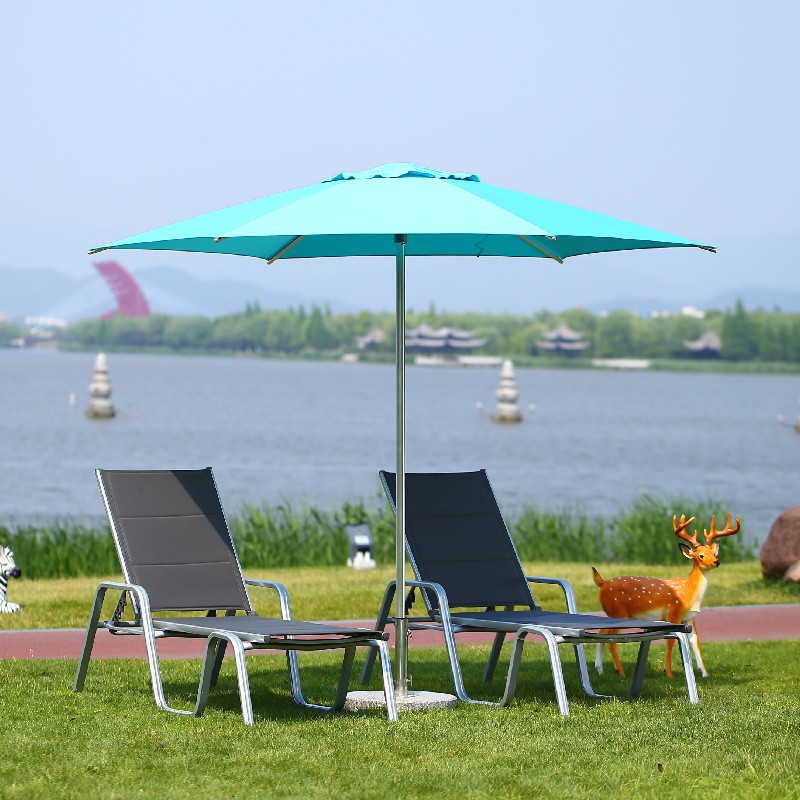
Enhancing Your Umbrella's Performance Through Thoughtful Umbrella Material Selection by Climate
Choosing the right canopy and frame materials is the foundation, but the umbrella's overall design and how you use it are just as critical for maximizing its performance and lifespan.
Considering Umbrella Type and Design
Different umbrella styles have inherent strengths that make them better suited for certain spaces and climates.
Market, cantilever, and half umbrellas: strengths in various climates
- Market Umbrellas: These are the classic center-pole umbrellas. Their straightforward design makes them inherently stable, especially when secured in the center of a heavy patio table. They are versatile and work well in a variety of conditions, but their coverage is limited to the immediate area around the pole.
- Cantilever (or Side-Post) Umbrellas: These umbrellas are suspended from a freestanding pole on the side, allowing for unobstructed shade over large seating or dining areas. Because of their large canopy size and offset design, they act like a sail in the wind and require a very heavy base (often 100-400 lbs) or a permanent mount for stability. High-end models are engineered to handle steady breezes, but they must be closed in gusty conditions.
- Half Umbrellas: Designed to sit flush against a wall, these are perfect for small spaces like balconies or narrow patios. Their position against a structure provides some inherent protection from wind.
Features like tilt, rotation, and automatic mechanisms for convenience
Modern umbrellas come with features designed for convenience and better sun tracking.
- Tilt Mechanisms: A tilt function allows you to angle the canopy to block the sun as it moves across the sky. Common types include push-button tilts, crank-to-tilt, and collar tilts, which are generally easier to use.
- Rotation: Many cantilever umbrellas offer 360-degree rotation, allowing you to swing the canopy around to shade different areas of your patio without moving the heavy base.
- Lift Mechanisms: Manual lifts are simple but can be difficult on larger umbrellas. Crank lifts are much more common and easier to operate. Some premium models even offer gas-assisted lifts for effortless opening.
Importance of Proper Installation and Stability
Even the most wind-resistant umbrella will fail if it's not properly secured. The base is not an accessory; it's a critical safety component.
Choosing the right base (weighted, wheeled, ground-mounted)
- Weighted Bases: The rule of thumb is the larger the umbrella, the heavier the base needs to be. For a 7.5-foot umbrella, a 50 lb base might suffice, but an 11-foot cantilever could require 200 lbs or more. Always follow the manufacturer's recommendation.
- Fillable Bases: Many plastic bases are designed to be filled with water or sand. Sand is denser and provides more weight for the same volume.
- Wheeled Bases: For large, heavy bases, integrated wheels can make repositioning the umbrella much easier.
- Ground-Mounted Options: For a permanent installation and maximum wind resistance, a ground-mount or deck-mount is the most secure option. This bolts the umbrella post directly to your patio or deck foundation.
Securing your umbrella in windy conditions
Proper use is key to longevity.
- Always Close When Not in Use: The simplest way to prevent wind damage is to keep the umbrella closed and secured with its tie strap when unattended or when winds pick up. Many manufacturers specify that wind damage is not covered under warranty, especially if the umbrella was left open.
- Use Securing Straps: For extra protection in windy locations, you can use additional straps to secure the frame.
- Mind Your Microclimate: A patio sheltered by the house will be less windy than an open deck or a rooftop terrace, which can experience stronger, more unpredictable gusts.
Maintenance and Longevity: Maximizing Your Umbrella's Lifespan Through Smart Umbrella Material Selection by Climate
A quality patio umbrella is a significant investment. With proper care and maintenance, you can protect that investment and enjoy your umbrella for many seasons. The cleaning and storage needs can vary based on the materials you've chosen.
Regular Cleaning Practices
Keeping your umbrella clean not only improves its appearance but also prevents the buildup of dirt and organic matter that can lead to mildew and fabric degradation.
Gentle cleaning with mild soap and water
For most routine cleaning of both the canopy and frame, a simple solution of mild soap (like dish soap) and lukewarm water is all you need.
- Gently brush off any loose dirt and debris from the dry canopy.
- Open the umbrella and spray it down with a hose.
- Use a soft-bristle brush or sponge to scrub the fabric and frame with the soapy water.
- Rinse thoroughly to remove all soap residue, as leftover soap can attract more dirt.
- Leave the umbrella open to air dry completely in the sun.
Addressing stubborn stains and mildew
For tougher stains or mildew spots, you may need a more targeted approach.
- For fabrics like Acrylic (Sunbrella) and Olefin: A solution of one cup of bleach and a quarter-cup of mild soap per gallon of water is often recommended for deep cleaning and removing mildew. Always check the fabric manufacturer's cleaning guide first. Apply the solution, let it sit for about 15 minutes, then scrub and rinse thoroughly.
- For Wood Frames: Clean with a mild soap solution. If mildew is present, you can use a solution of one part white vinegar to one part water. Be sure to rinse well. After cleaning and drying, you may need to reapply a protective sealant or oil.
- For Metal Frames: Clean with soap and water. For steel frames, inspect for any scratches in the powder coating. If you find any, touch them up immediately with rust-resistant paint to prevent corrosion.
Proper Storage Solutions
How you store your umbrella, especially during the off-season or periods of harsh weather, is critical to its longevity.
Ensuring the umbrella is completely dry before storage
This is the most important rule of umbrella storage. Closing and storing a damp umbrella creates a perfect environment for mold and mildew to grow, which can permanently stain and damage the fabric. It can also cause wooden frames to rot and metal parts to corrode. Always let the canopy air dry completely before closing it up.
Using protective covers and indoor storage during off-seasons
- Protective Covers: A high-quality protective cover is an excellent investment. It keeps the canopy clean from dirt, bird droppings, and tree sap, and provides an extra layer of protection from UV rays and moisture when the umbrella is closed.
- Off-Season Storage: If you live in a climate with harsh winters (snow, ice, freezing temperatures), it is highly recommended to store your umbrella indoors. Clean it thoroughly, ensure it's dry, and store it in a dry, sheltered location like a garage or basement. This protects it from extreme weather and extends its life significantly.
Timely Repairs and Replacements
Regularly inspecting your umbrella will help you catch small issues before they become big problems.
Inspecting for wear and tear (fabric tears, bent ribs)
At the beginning and end of each season, and periodically throughout, give your umbrella a once-over. Look for:
- Small tears or holes in the canopy.
- Bent or cracked ribs.
- Fraying cords on crank mechanisms.
- Wobbling or instability in the pole or base.
- Scratches or rust spots on metal frames.
When to repair versus replace components or the entire umbrella
- Minor Repairs: Small fabric tears can often be patched. Many manufacturers sell repair kits or replacement parts like cords and crank handles, which can be a cost-effective solution.
- Component Replacement: On many high-quality umbrellas, you can replace the entire canopy or individual ribs. If you have a durable, high-end frame that is still in good condition, simply replacing a faded or damaged canopy can make your umbrella look brand new.
- Full Replacement: If the main pole is bent, the frame is significantly rusted, or multiple ribs are broken, it is often safer and more cost-effective to replace the entire umbrella. Trying to patch up a critically damaged frame can be a safety hazard, especially in wind.
Frequently Asked Questions (FAQ)
1. What is the most durable patio umbrella material overall? For the longest life and best all-around performance in any climate, a combination of a solution-dyed acrylic fabric (like Sunbrella) and a frame with fiberglass ribs is top-tier. The acrylic canopy provides maximum UV, fade, and mildew resistance, while the flexible fiberglass ribs can withstand strong wind gusts without breaking. An aluminum pole is a great pairing for this, offering a rust-proof and low-maintenance structure.
2. How do I know what size umbrella base I need? The required base weight depends on the umbrella's size, style, and where it will be used. Always follow the manufacturer’s minimum weight recommendation. As a general guide: for a 7.5' market umbrella used through a table, 30-50 lbs may be enough. For a 9' freestanding market umbrella, aim for 75+ lbs. For large cantilever umbrellas (10'-13'), you will likely need 100-400 lbs of weight or a permanent mount to ensure safety.
3. Can I leave my patio umbrella open all the time? No, you should never leave your patio umbrella open when it's not in use, and especially not in windy conditions or overnight. Sudden wind gusts can easily damage or destroy an open, unattended umbrella, and most warranties will not cover this type of damage. Closing and securing it with a tie will drastically increase its lifespan.
4. How can I keep my steel umbrella frame from rusting? The key is to protect its powder coating. Be careful not to drag it on concrete or scratch it with other furniture. Regularly inspect the frame, especially at the joints and base, for any chips or scratches. If you find one, clean the area, dry it, and touch it up immediately with a rust-resistant paint of a matching color to seal the steel from moisture.
Conclusion
Ultimately, the best umbrella for you is one that balances durability, functionality, and aesthetics, all tailored to your specific climate. By prioritizing a thoughtful selection of materials for both the canopy and the frame, you ensure a long-lasting, reliable shade solution from Foris Hortus, making your outdoor space a true haven. An umbrella is not just a purchase; it's an investment in your comfort and the enjoyment of your patio, deck, or garden.
I encourage you to consider these factors carefully as you choose your next umbrella. Investing in quality and understanding how your umbrella's materials will perform in your local weather will lead to greater satisfaction and a more enjoyable outdoor experience for years to come. We hope this guide empowers you to make a confident and informed decision.