Understanding Commercial Patio Umbrella Maintenance for Restaurants: Tips and Tricks
As restaurant owners, we understand that creating an inviting and comfortable outdoor dining experience is paramount. Commercial patio umbrellas are a cornerstone of this ambiance, offering essential shade and elevating the aesthetic appeal for our guests. However, these are not merely decorative pieces; they are significant investments that demand proper care to ensure their longevity and maintain a pristine, professional appearance. At Foris Hortus, we believe that a well-maintained outdoor space reflects the quality of the establishment.
Understanding the nuances of commercial patio umbrella maintenance is crucial for protecting this investment and, by extension, enhancing customer satisfaction and loyalty. A clean, sturdy umbrella signals care and attention to detail, while a faded, dirty, or damaged one can detract from the dining experience. This guide will provide you with practical, actionable tips and tricks to keep your umbrellas in top condition, ensuring they continue to serve your business and your customers effectively, season after season.
Key Takeaways
- Proactive Maintenance is an Investment, Not a Cost: Regularly cleaning, inspecting, and properly storing your commercial patio umbrellas extends their lifespan significantly, preventing premature fading, rust, and fabric degradation. This approach saves money on frequent replacements and preserves the professional appearance of your outdoor dining area.
- Cleaning is Two-fold: Routine and Deep: A consistent cleaning schedule is critical. Daily or weekly routines should include brushing off loose debris and spot-cleaning minor stains with mild soap and water to prevent them from setting. Periodic deep cleaning of the canopy and frame with appropriate, non-abrasive solutions is necessary to tackle accumulated grime, mildew, and pollutants.
- Proper Storage is Your Best Defense Against Damage: The number one rule for longevity is to close umbrellas when not in use, especially overnight and during windy conditions. For off-season or inclement weather, always ensure umbrellas are completely clean and dry before storing them in a protective cover, preferably in an indoor, low-humidity environment to prevent mold and pest damage.
- Inspect and Repair Promptly: Small issues can quickly become large, costly problems. Conduct regular inspections of the canopy for tears, the frame for rust or stress points, and mechanisms like cords and cranks for smooth operation. Tightening a loose bolt or patching a small hole immediately can prevent catastrophic failure during service hours.
- Know When to Repair vs. Replace: While minor repairs are cost-effective, significant structural damage, such as a bent central pole or multiple broken ribs, often compromises safety and warrants a full replacement. For high-end umbrellas, replacing a damaged canopy can be a viable option, but for standard models, it's often more economical to invest in a new unit.
The Importance of Regular Commercial Patio Umbrella Maintenance for Restaurants
Maintaining your restaurant's commercial patio umbrellas goes far beyond simple aesthetics; it's a fundamental aspect of asset management and brand presentation. Regular maintenance is the most effective strategy to protect these valuable assets from the rigors of daily use and environmental exposure. By dedicating time to their upkeep, you directly contribute to the longevity of the umbrellas and the overall appeal and safety of your outdoor dining space.
Why Proactive Maintenance Pays Off
Adopting a proactive maintenance schedule is a strategic business decision that yields significant returns. Instead of reacting to damage and decay, you actively prevent them, ensuring your outdoor area remains a consistent asset rather than a fluctuating liability. This foresight translates into tangible financial savings and intangible brand benefits.
Extending Lifespan and Appearance
The primary benefit of routine care is the dramatic extension of your umbrella's functional lifespan. Commercial-grade umbrellas are built for durability, but they are not indestructible. Constant exposure to sun, rain, and wind takes a toll. Regular cleaning prevents the breakdown of fabrics and protective coatings on the frame. By removing corrosive agents like bird droppings, acid rain residue, and abrasive dirt, you preserve the material's integrity. A clean, vibrant canopy and a rust-free frame not only last longer but also project an image of quality and meticulousness, reinforcing the high standards of your establishment. This means your initial investment serves your business for many more seasons, maximizing its value and reducing the frequency of costly replacements.
Enhancing Customer Experience and Brand Image
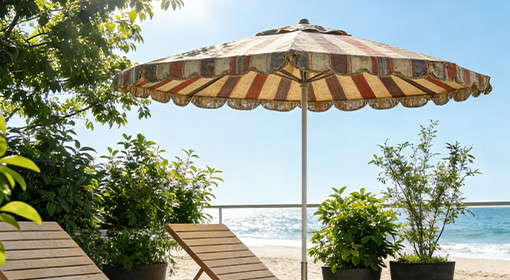
Your outdoor patio is a direct reflection of your brand. A customer sitting under a stained, faded, or wobbly umbrella may subconsciously question the establishment's overall standards, including cleanliness and food quality. Conversely, a pristine, well-maintained outdoor area creates a welcoming and comfortable atmosphere that encourages guests to relax, stay longer, and spend more. It communicates a commitment to excellence in every detail. This positive experience is more likely to lead to repeat business, glowing reviews, and strong word-of-mouth marketing, making umbrella maintenance a crucial component of your brand management strategy.
Understanding the Impact of Weather on Commercial Patio Umbrellas
Weather is the single greatest adversary to your outdoor umbrellas. Understanding its specific effects allows you to implement targeted protective measures, ensuring your maintenance efforts are as effective as possible.
Fading and UV Damage
Constant exposure to the sun's ultraviolet (UV) rays is a leading cause of fabric degradation. Over time, UV radiation breaks down the dyes in the canopy fabric, leading to noticeable fading and a tired, worn-out appearance. More importantly, this UV exposure weakens the fabric's tensile strength, making it more susceptible to tearing, especially under wind stress. High-quality commercial umbrellas, like those from Foris Hortus, often use solution-dyed acrylic fabrics, which offer superior fade resistance. However, even these robust materials benefit from regular care and the application of UV-protectant sprays to prolong their vibrant color and structural integrity.
Mold, Mildew, and Dirt Accumulation
Moisture is the primary culprit behind mold and mildew growth. If an umbrella is closed or stored while damp, the lack of air circulation creates a perfect breeding ground for these fungi, resulting in unsightly black or green spots and a musty odor. Beyond being visually unappealing, mildew can permanently stain and even eat away at the fabric over time. Furthermore, everyday dirt, pollen, and pollution settle on the umbrella's surface. When mixed with rain, this grime becomes a food source for mildew and can become deeply embedded in the fabric weave, making it difficult to clean and accelerating deterioration.
Essential Cleaning Techniques for Commercial Patio Umbrella Maintenance for Restaurants
A systematic cleaning regimen is the foundation of effective commercial patio umbrella maintenance. By integrating daily, weekly, and seasonal cleaning tasks into your operational checklist, you can prevent permanent staining, material decay, and the costly need for premature replacement. This section breaks down the essential techniques for keeping every part of your umbrella—canopy, frame, and base—in impeccable condition.
Daily and Weekly Cleaning Routines
Consistency is key. Simple, regular actions prevent the buildup of contaminants that can cause long-term damage. These tasks should be assigned to staff and require only a few minutes per umbrella.
Brushing Off Loose Debris
At the end of each day, or during slower periods, staff should use a soft-bristle brush to gently sweep off any loose debris from the open canopy. This includes dust, pollen, leaves, and bird droppings. Removing these contaminants before they become ground-in or moistened by dew or rain is the easiest way to keep the fabric clean. Pay special attention to the seams and the area around the finial (the top cap), where debris tends to collect.
Spot Cleaning with Mild Soap and Water
Address spills and stains as soon as they occur. For most common food or drink spills, a simple solution of mild soap (like dish soap) and lukewarm water is effective. Gently blot the stained area with a clean cloth or sponge dampened with the soapy solution. Avoid aggressive scrubbing, which can damage the fabric's protective finish and spread the stain. Once the stain is lifted, rinse the area thoroughly with a cloth dampened with clean water to remove any soap residue, and then let it air dry completely.
Deep Cleaning Your Commercial Patio Umbrella Canopy
A thorough deep clean should be performed at least twice a year—typically at the beginning and end of the outdoor season—or more frequently if your location is prone to heavy pollution or bird activity.
Preparing a Cleaning Solution (No Bleach!)
Never use bleach or harsh chemical-based detergents on your umbrella canopy unless explicitly approved by the fabric manufacturer (e.g., specific instructions for Sunbrella fabric). Bleach can strip the fabric of its color and protective UV- and water-resistant coatings, leading to rapid deterioration. A safe and effective cleaning solution can be made by mixing a small amount of mild laundry detergent or dish soap into a bucket of lukewarm water. For stubborn stains like mildew, a solution of one part white vinegar to ten parts water can be used.
Thorough Rinsing and Air Drying
After applying the cleaning solution and gently scrubbing the entire canopy with a soft brush, the most critical step is to rinse thoroughly. Use a garden hose with low pressure to wash away all soap and dirt residue. Any leftover soap can attract more dirt and promote mildew growth. Once rinsed, open the umbrella fully and allow it to air dry completely in the sun. Never, ever store an umbrella canopy while it is still damp, as this will almost certainly lead to mildew.
The deep cleaning process can be summarized in the following table:
| Step | Action | Key Tip |
|---|---|---|
| 1. Preparation | Remove the canopy from the frame if possible. Lay it on a clean, flat surface. | This allows for a more thorough and even cleaning. |
| 2. Pre-Rinse | Hose down the fabric to loosen and wash away surface-level dirt and debris. | Use a low-pressure setting to avoid damaging the fibers. |
| 3. Apply Solution | Gently scrub the fabric with a soft-bristle brush using your mild soap solution. | Work in sections and allow the solution to soak for a few minutes on tougher stains. |
| 4. Rinse Thoroughly | Use a hose to completely rinse all soap residue from the fabric. | Rinse until no more suds are visible. |
| 5. Air Dry | Re-attach the canopy to the frame, open it fully, and let it dry completely in the sun. | Ensure the fabric is 100% dry before closing or storing. |
Cleaning the Frame and Base for Optimal Commercial Patio Umbrella Maintenance for Restaurants
The frame and base are the structural backbone of your umbrella. Keeping them clean and free from corrosion is just as important as maintaining the canopy.
Metal Frame Care: Preventing Rust and Corrosion
Most commercial umbrellas feature frames made of aluminum, steel, or fiberglass. Aluminum frames are naturally rust-resistant but can oxidize over time, forming a chalky white powder. Wipe down aluminum frames regularly with a damp cloth. For tougher grime, use a mild soap and water solution, then rinse and dry. To restore shine and add a layer of protection, you can apply a light coat of car wax. For steel frames, inspect regularly for any chips or scratches in the powder coating, as these are entry points for rust. Touch up any bare spots immediately with rust-inhibiting paint.
Wood Frame Care: Preserving Luster and Durability
Wood frames offer a classic, upscale look but require specific care to prevent rot and weathering. Clean wood frames with a mild oil-based soap and water, then dry them thoroughly. At least once a season, it's wise to apply a protective sealant or marine-grade varnish. This helps repel water, prevent the wood from drying out and cracking, and protects it from UV damage. Check all moving parts and joints, ensuring they are free of debris and operate smoothly.

Proactive Storage and Protection in Commercial Patio Umbrella Maintenance for Restaurants
Proper storage and proactive protection are non-negotiable elements of commercial patio umbrella longevity. While cleaning addresses wear from use, smart storage practices shield your investment from the most significant threats: wind, moisture, and prolonged UV exposure. Implementing clear protocols for daily and long-term storage is essential for any restaurant.
Daily Storage Practices
The actions taken at the end of each business day have a cumulative impact on the lifespan and safety of your umbrellas.
Closing Umbrellas When Not in Use
It is a critical best practice to close all patio umbrellas at the end of service each day. Leaving umbrellas open overnight exposes them to unexpected wind gusts, which can cause significant damage to the ribs, pole, and tilting mechanism. It also subjects the canopy to unnecessary moisture from dew and potential soiling from nocturnal animals. Closing the umbrella also helps the fabric "rest" and retain its shape. Ensure staff are trained to properly secure the closed canopy with the attached tie or a separate strap to prevent it from flapping in the wind.
Securing Against Wind
Wind is the number one enemy of a patio umbrella. A strong gust can turn an open umbrella into a dangerous projectile, posing a risk to property and, more importantly, to your guests and staff. Always close umbrellas during windy conditions, even in the middle of a service day. Furthermore, ensure that every umbrella is paired with a sufficiently heavy and stable base. A general rule is that the base should weigh at least 50 pounds for a standard 7.5-foot umbrella, with weight increasing for larger canopies. For particularly windy locations, consider heavier bases (75+ lbs), or even in-ground or surface-mount options for maximum stability.
Off-Season and Inclement Weather Storage
How you store your umbrellas during winter, rainy seasons, or extended periods of non-use will determine their condition when you need them again. Improper storage can cause more damage than a full season of use.
Clean and Dry Before Storing
This is the golden rule of off-season storage. Never store an umbrella that is dirty or even slightly damp. Any trapped moisture will inevitably lead to mold and mildew, which can permanently stain and weaken the fabric. Dirt and organic matter can attract pests and also contribute to fungal growth. Before storing, perform a deep clean as detailed in the previous section and ensure the canopy and frame are 100% dry. This single step can prevent immense frustration and damage.
Using Protective Covers
A high-quality protective cover is an essential accessory for any commercial patio umbrella. These covers shield the umbrella from dust, dirt, moisture, and pests during storage. Look for covers made from a durable, water-resistant, yet breathable material to prevent condensation from forming inside. A full-length cover that zips or ties securely at the bottom offers the best protection. Using a cover is also beneficial for short-term storage, such as during a multi-day period of rain, as it keeps the umbrella clean and ready for immediate use once the weather clears.
Indoor Storage for Extended Periods
For off-season storage (e.g., winter in cold climates), the ideal location is a clean, dry, and cool indoor space like a storage room or basement. Storing umbrellas indoors provides the ultimate protection from extreme temperatures, precipitation, and UV rays. If you must store them in a shed or garage, ensure they are elevated off the floor to protect them from ground moisture and pests. Avoid storing them in areas with high humidity or drastic temperature fluctuations.
Annual Fabric Protection for Commercial Patio Umbrellas
To give your canopies an extra layer of defense, consider an annual re-application of protective treatments. This restores some of the factory-applied coatings that wear away over time.
Applying UV Protectant Sprays
After a thorough cleaning at the start of the season, applying a UV protectant spray can help to prolong the life and color of the canopy fabric. Products like 303 Aerospace Protectant are formulated to block the sun's harmful rays, slowing down the fading process and helping the fabric resist staining. Ensure you choose a product specifically designed for outdoor fabrics. Apply it evenly according to the manufacturer's instructions, usually by spraying onto a clean, dry surface and allowing it to cure. This annual treatment is a small investment that can significantly boost the appearance and durability of your canopies.
Inspecting and Repairing for Long-Term Commercial Patio Umbrella Maintenance for Restaurants
Diligent cleaning and proper storage form the defensive line of your maintenance strategy, but a proactive offense—regular inspection and prompt repair—is what ensures long-term victory. Catching minor issues before they escalate into catastrophic failures is key to maximizing the life of your umbrellas, ensuring safety, and avoiding the high costs of emergency replacements. From our experience at Foris Hortus, we know that a well-inspected umbrella is a reliable one.
Regular Inspections for Wear and Tear
Integrate a simple inspection checklist into your weekly or bi-weekly operational routine. This doesn't need to be time-consuming; a trained eye can assess an umbrella in just a few minutes.
(Canopy, Frame, and Mechanisms)
A systematic inspection should cover all three major components of the umbrella.
- Canopy: Open the umbrella fully and check for any small rips, tears, or fraying seams, especially near the pockets where the ribs connect. Look for signs of significant color fading or areas where the fabric has become brittle, which indicates advanced UV damage.
- Frame: Examine the ribs for any signs of bending, cracking, or stress. Pay close attention to the joints and hinges. On metal frames, look for scratches in the finish that could lead to rust. On wood frames, check for cracks or splintering.
- Mechanisms: Test the opening and closing mechanism, whether it's a crank, pulley, or push-up system. The movement should be smooth and effortless. A sticking crank or a frayed cord is a clear sign that a repair is needed imminently. If the umbrella has a tilting feature, test its function to ensure it engages and disengages properly.
Checking Hardware and Connections
Go over the entire umbrella and check all nuts, bolts, and screws. The vibrations from daily use and wind can cause these to loosen over time. A loose connection point can put undue stress on other parts of the frame, leading to a structural failure. Ensure the umbrella pole is securely seated in the base and that the locking mechanism or thumb screw on the base is tight.
Addressing Minor Repairs Promptly
The "wait and see" approach has no place in umbrella maintenance. A small, inexpensive repair today prevents a large, costly replacement tomorrow.
Tightening Loose Bolts
This is the simplest yet one of the most crucial repairs. Keep a basic toolkit with wrenches and screwdrivers handy. During your regular inspections, if you find a loose bolt or screw, tighten it immediately. This five-second task can prevent a wobbly frame from cracking or breaking under stress.
Replacing Worn Parts
Don't let a small broken part render an entire umbrella useless. Many manufacturers, including Foris Hortus, offer replacement parts for common wear-and-tear items. The most frequently replaced parts include:
- Crank Handles: These can break or strip over time.
- Cords: The lift cord on pulley or crank systems can fray and eventually snap. Replacing a frayed cord is far easier and cheaper than dealing with a collapsed umbrella.
- Ribs: While a central pole failure often means replacement, individual ribs can sometimes be replaced.
- Finials: The cap on top of the umbrella can crack or break off and is usually simple to replace.
Ordering and stocking a few common replacement parts can minimize downtime and save you from having to purchase a whole new unit.
When to Consider Professional Help or Replacement
While DIY repairs are great for minor issues, it’s important to recognize when a problem is beyond a simple fix and may pose a safety risk.
Significant Fabric Damage
A small hole or tear in the canopy can often be patched with a fabric patch kit. However, if you are dealing with multiple large tears, extensive sun rot (brittle fabric), or widespread, permanent mildew staining, it's often more practical to consider a replacement. For high-end commercial umbrellas, you may be able to order a replacement canopy, which is a cost-effective way to get a "like-new" umbrella without replacing the entire frame and base.
Structural Integrity Issues
This is a critical safety consideration. If the main center pole is bent or cracked, the umbrella should be taken out of service immediately and replaced. A compromised pole cannot be reliably repaired and is at high risk of catastrophic failure. Similarly, if multiple ribs are broken or the central hub mechanism is cracked, the structural integrity is compromised. In these cases, the cost and complexity of a professional repair often approach the cost of a new umbrella, making replacement the safer and more financially sensible option.
Frequently Asked Questions (FAQ)
1. How often should I deep clean my restaurant's patio umbrellas?
For most restaurants, a deep cleaning twice a year is a solid baseline: once at the beginning of the outdoor season to wash away winter storage dust, and once at the end before storing them again. However, you should adjust this frequency based on your specific environment. If your patio is located under trees that drop sap or pollen, near a busy road with heavy pollution, or in a coastal area with salt spray, you may need to deep clean every 2-3 months to prevent buildup and staining.
2. What's the best way to remove stubborn stains like bird droppings, tree sap, or mildew?
For stubborn organic stains, prompt action is crucial.
- Bird Droppings: Let it dry completely, then scrape or brush off as much as possible. Treat the remaining stain with a solution of mild soap and water. If a stain persists, a mixture of one part white vinegar to ten parts water can be effective.
- Tree Sap: This is tougher. You can often freeze the sap with an ice cube, which makes it brittle and easier to scrape off. Then, treat the remaining residue with a citrus-based cleaner or rubbing alcohol on a cloth (test on an inconspicuous area first). Rinse thoroughly.
- Mildew: For fabrics like Sunbrella, a solution of 1/4 cup mild soap and 1 cup of bleach per gallon of water is often recommended by the manufacturer. However, for other fabrics, avoid bleach. Instead, use a solution of 1 cup of white vinegar and 2 tablespoons of salt mixed into a gallon of water. Apply, let it sit for 15-20 minutes, scrub with a soft brush, and rinse completely.
3. Can I use a pressure washer on my commercial patio umbrella?
It is generally not recommended to use a pressure washer on the umbrella canopy. The high pressure can be too abrasive for the fabric, potentially stripping away its protective UV and water-resistant coatings. It can also damage the stitching in the seams, leading to premature fraying and tears. If you absolutely must use one, ensure it is on the lowest possible pressure setting and keep the nozzle at a significant distance from the fabric. For the frame, a pressure washer on a low setting can be acceptable for metal, but you must be careful around joints and mechanical parts. A garden hose with a spray nozzle is a much safer alternative.
4. What type of umbrella base is best for a windy restaurant patio?
For windy conditions, weight and profile are the two most important factors for a base.
- Weight: Do not underestimate the amount of weight needed. For large umbrellas (9 ft or more), you should be looking at bases that are 75 lbs or heavier. Many suppliers offer base-and-umbrella compatibility charts.
- Material: Cast iron and granite bases are dense and provide excellent weight. Fillable bases (with sand or water) are also an option, but ensure they are filled completely to their maximum capacity. Sand is heavier than water and is the preferred filler.
- Mounting: For maximum security in very windy areas, consider semi-permanent mounting options. In-ground mounts involve cementing a sleeve into the patio, providing the best possible stability. Surface mounts allow you to bolt the umbrella base directly to a wood deck or concrete patio. These options eliminate the risk of an umbrella tipping over.
5. Is it worth repairing a torn umbrella canopy or is it better to replace the whole umbrella?
This depends on three factors: the extent of the damage, the quality of the umbrella, and the availability of parts.
- Minor Damage: A small tear or hole less than a few inches long can absolutely be repaired. Use a fabric patch kit designed for outdoor materials, which can be glued or sewn on. This is very cost-effective.
- Major Damage: If the canopy has multiple large rips, is sun-rotted (brittle and weak), or has suffered catastrophic tearing, a simple patch won't work.
- Quality & Parts: On a high-end, commercial-grade umbrella (like many models from Foris Hortus), the frame is built to last for many years. In this case, if the frame is still in excellent condition, purchasing a replacement canopy is a fantastic and sustainable option. It's much cheaper than buying a whole new unit. For a cheaper, residential-quality umbrella, the cost of a replacement canopy might be almost as much as a brand new umbrella, making replacement the more logical choice.
By implementing these commercial patio umbrella maintenance tips for restaurants, you can effectively safeguard your investment, significantly extend the life of your umbrellas, and consistently provide a welcoming and comfortable outdoor dining experience for your valued guests. Taking pride in your outdoor furnishings sends a powerful message about the quality of your entire operation.
Prioritizing the care of your commercial patio umbrellas is not merely a cleaning chore; it's a smart business strategy. With a structured approach and consistent attention from your team, you can ensure your outdoor spaces remain attractive, safe, and functional. This commitment contributes directly to your restaurant's atmosphere and long-term success, helping you build a loyal customer base for years to come.