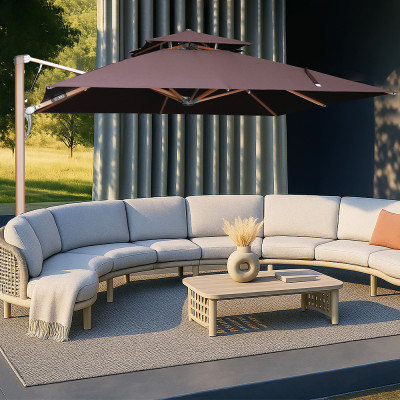
Navigating Windy Weather: A Guide to Double Vented Canopy Patio Umbrella Wind Resistance
As someone who cherishes outdoor living, I've learned that a quality patio umbrella is an indispensable asset, especially when facing the whims of unpredictable gusts. When the wind picks up, a standard, non-vented umbrella can quickly transform from a source of comfort into a potential hazard. However, a well-designed double-vented canopy patio umbrella from a trusted brand like Foris Hortus can provide reliable protection and invaluable peace of mind.
Understanding how to properly select and manage your outdoor features in windy weather is the key to truly maximizing the enjoyment of your space. This comprehensive guide will explore how double-vented canopy patio umbrellas masterfully handle wind, empowering you to make informed decisions for a safer, more durable, and ultimately more pleasurable outdoor living area.
Key Takeaways
- Vents are Essential for Stability: The double-vented design is not just for looks; it's a critical engineering feature that allows wind to pass through the canopy. This mechanism equalizes pressure, significantly reducing the dangerous upward lift that causes umbrellas to flip inside out or topple over.
- Materials Dictate Durability: The wind resistance of an umbrella is only as good as its weakest component. Look for robust, weather-resistant canopy fabrics like solution-dyed acrylic or olefin, and sturdy, flexible frame materials such as powder-coated aluminum poles combined with fiberglass ribs.
- The Base is Your Anchor: Never underestimate the importance of a heavy and appropriate base. The weight of the base should correspond directly to the size of your umbrella canopy, with a general rule of thumb being at least 10 pounds of base weight for every foot of the canopy's diameter for freestanding umbrellas.
- Know When to Fold: Even the most wind-resistant umbrella has its limits. Familiarize yourself with wind speed ratings, like the Beaufort Scale, and always follow the manufacturer's guidelines. It is crucial to close and secure your umbrella before strong winds or storms arrive to prevent damage and ensure safety.
- Maintenance is Key to Longevity: Regular inspection and maintenance are vital for preserving your umbrella's wind-resistant qualities. Periodically check for loose bolts, signs of wear on the canopy, and stress on the frame, addressing any issues promptly to ensure your investment lasts for many seasons.
Understanding the Superiority of Double Vented Canopy Patio Umbrella Wind Resistance
When a sudden gust of wind rushes across your patio, the difference between a serene afternoon and a frantic scramble to save your shade often comes down to a single, crucial design feature: ventilation. A double-vented canopy is the hallmark of a premium, wind-resistant patio umbrella, representing an evolutionary leap from the conventional, single-piece canopies that act like sails in a breeze. This superior design is not a mere aesthetic choice but a fundamental engineering principle that provides enhanced stability, durability, and safety, allowing you to relax with confidence.
The Innovative Double Canopy Structure
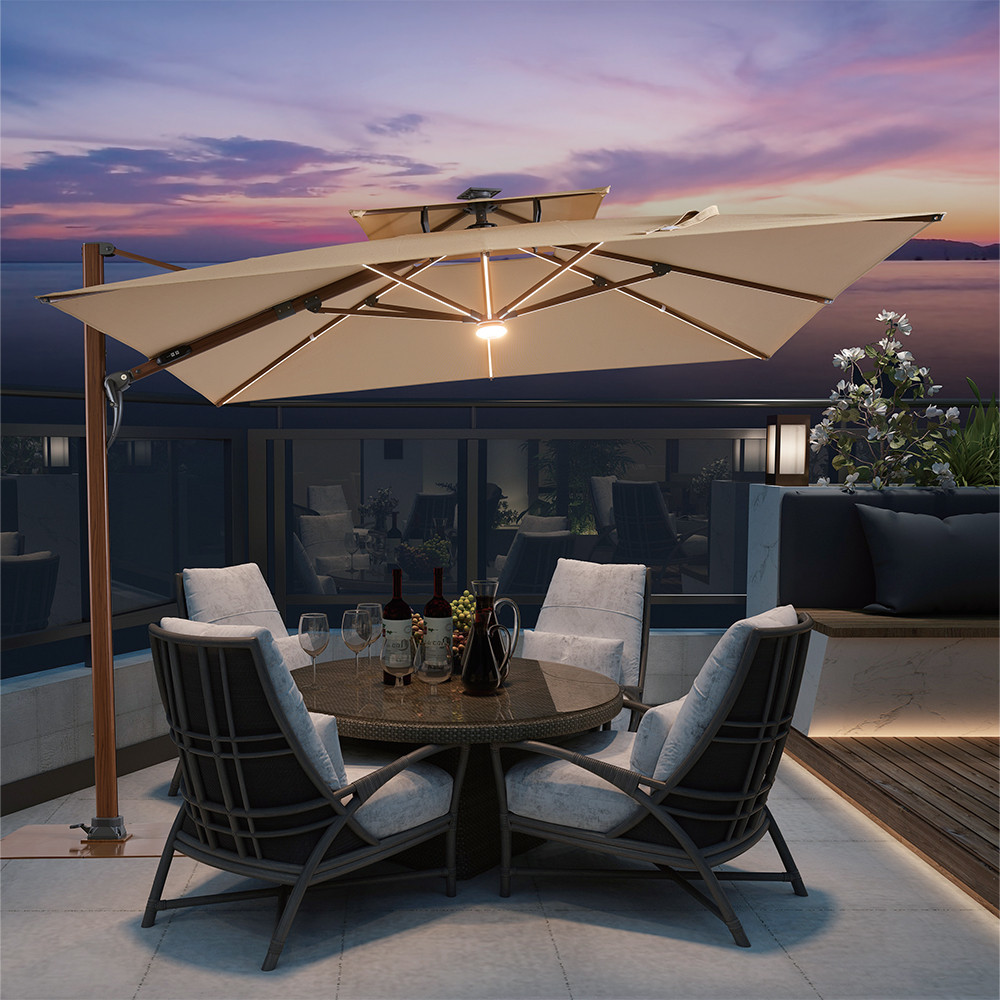
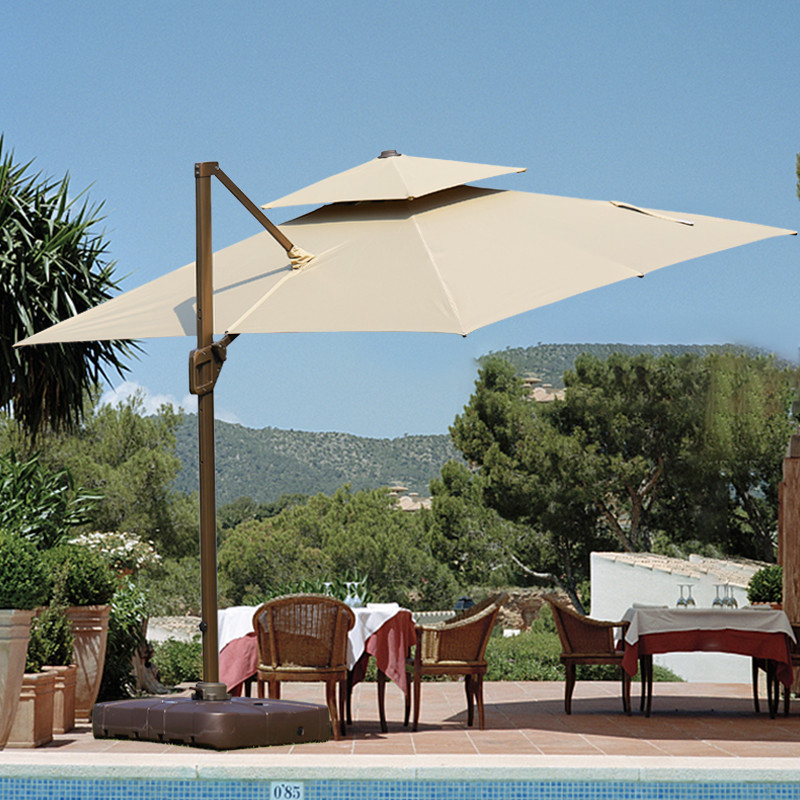
At first glance, a double-vented umbrella, sometimes called a dual-canopy or two-tier umbrella, appears to have a smaller "mini-umbrella" sitting atop the main canopy. This is not two separate pieces but a single, cleverly designed canopy with overlapping layers. This two-tiered construction is the secret to its remarkable stability in blustery conditions. Unlike a solid canopy, which traps air and creates immense pressure, the vented design works with the wind, not against it.
How Vents Allow Wind to Pass Through
The fundamental principle behind the double-vented canopy is rooted in aerodynamics. When wind encounters a solid, non-vented umbrella, it gets trapped underneath, creating a significant buildup of upward pressure. This force pushes against the entire surface area of the canopy, acting like a giant hand trying to lift and flip it inside out.
A double-vented design strategically disrupts this process. The openings, or vents, between the upper and lower canopy layers create a pathway for air to escape. As wind flows across the patio and hits the umbrella, a portion of the air is safely channeled upwards and through these vents. This airflow acts as a pressure release valve, preventing the canopy from catching the wind like a parachute and drastically reducing the powerful lifting forces that lead to inversion and instability.
Pressure Regulation for Enhanced Stability
The magic of the vented canopy lies in its ability to equalize the air pressure between the underside and the top of the umbrella. In a strong gust, a low-pressure zone can form on the top side of the canopy while high pressure builds underneath. This pressure differential is what generates the dangerous lift. The vents allow the high-pressure air from below to move to the low-pressure area above, effectively neutralizing the imbalance.
This pressure equalization is vital for maintaining the umbrella's shape and stability in strong winds. By mitigating the upward force, the stress on the entire structure—from the canopy fabric to the ribs and the central pole—is significantly reduced. This leads to an umbrella that is far easier to control and less likely to be ripped from its base or damaged during unpredictable weather.
The Benefits of a Vented Design for Your Patio Umbrella
Choosing a double-vented umbrella from a quality manufacturer like Foris Hortus is an investment in both safety and longevity. The functional advantages of this design extend beyond simply staying put in a breeze; they contribute to a more durable and reliable product that enhances your outdoor living experience for years to come.
Minimizing the Risk of Flipping and Damage
The most immediate and noticeable benefit of a vented canopy is the dramatic reduction in the risk of the umbrella flipping inside out (inverting) or toppling over. Inversion not only renders the umbrella useless but can also cause permanent damage to the ribs and canopy fabric. A toppled umbrella can damage patio furniture, break decorative items, or even pose a safety risk to people and pets nearby.
By allowing wind to pass through, the vented design prevents the canopy from acting as a sail and becoming unstable. This enhanced stability is the first line of defense against wind-related damage, ensuring your umbrella remains a safe and functional part of your outdoor sanctuary.
Enhanced Durability and Longevity of Your Investment
An umbrella that constantly fights against the wind is an umbrella under constant stress. The forces exerted on a non-vented canopy during windy conditions strain every component, from the stitching on the fabric to the joints of the frame. Over time, this cumulative stress leads to wear and tear, material fatigue, and eventual failure.
A double-vented canopy mitigates this stress by dissipating wind pressure. This reduction in strain means the umbrella's frame, pole, and canopy fabric endure less force, significantly increasing their lifespan. Investing in a well-made vented umbrella means you are purchasing a product that is engineered to last longer in challenging weather conditions, protecting your investment and preventing the need for frequent replacements.
Factors Influencing Double Vented Canopy Patio Umbrella Wind Resistance
While a double-vented canopy is the cornerstone of a wind-resistant patio umbrella, it is just one piece of a larger puzzle. The true resilience of an umbrella is determined by a holistic combination of high-quality materials, a robust structural design, and a proper anchoring system. Every component must work in harmony to withstand the forces of nature. When selecting an umbrella, it’s crucial to look beyond the vented top and scrutinize the underlying build quality.
Material Strength and Durability for Extreme Conditions
The materials used in an umbrella's construction are its first line of defense against the elements. From the fabric that provides shade to the frame that gives it structure, choosing high-quality, durable materials is non-negotiable for anyone living in an area with even occasional wind.
Robustness of Fabric and Frame Materials
The choice of fabric and frame materials directly impacts an umbrella's ability to resist wear and tear from sun, rain, and wind.
Canopy Fabrics:
- Solution-Dyed Acrylic (e.g., Sunbrella®): Widely considered the gold standard for outdoor performance fabrics, solution-dyed acrylic is exceptionally resistant to fading, UV degradation, and mildew. The a, as the color pigment is added to the fibers at a molecular level before they are spun into yarn, ensuring the color remains vibrant for years. Its strength and breathability make it an excellent choice for wind-resistant canopies.
- Olefin (Polypropylene): Another high-performance synthetic, olefin is strong, stain-resistant, and has excellent colorfastness. It is also known for its durability and resistance to mildew, making it a popular and resilient choice for patio umbrellas.
- Polyester: A budget-friendly option, polyester offers good strength and vibrant colors. However, standard polyester is less resistant to fading and long-term UV exposure than acrylic or olefin. For better durability, look for solution-dyed polyester, which offers significantly improved color retention and longevity.
| Fabric Type | UV Resistance | Water & Mildew Resistance | Colorfastness (Fade Resistance) | Overall Durability |
|---|---|---|---|---|
| Solution-Dyed Acrylic | Excellent | Excellent | Excellent | Very High |
| Olefin | Very Good | Very Good | Very Good | High |
| Solution-Dyed Polyester | Good | Good | Good | Medium-High |
| Standard Polyester | Fair | Good | Fair | Medium |
Frame Materials:
- Aluminum: Lightweight, strong, and naturally rust-resistant, aluminum is the most popular material for modern umbrella frames. A powder-coated finish adds another layer of protection against corrosion and wear, making it extremely low-maintenance and durable in various weather conditions.
- Fiberglass: Revered for its flexibility, fiberglass is an ideal material for umbrella ribs, especially in windy locations. Its ability to bend under pressure without breaking allows a fiberglass frame to absorb wind gusts and then return to its original shape.
- Wood: Offering a classic, natural aesthetic, wood frames made from hardwoods like teak or eucalyptus can be durable. However, they require more maintenance to prevent fading and weather damage and are more brittle than aluminum or fiberglass, making them more likely to snap in strong winds.
Reinforced Ribs and Poles for Structural Integrity
The hidden strength of a wind-resistant umbrella lies in its skeleton: the pole and ribs.
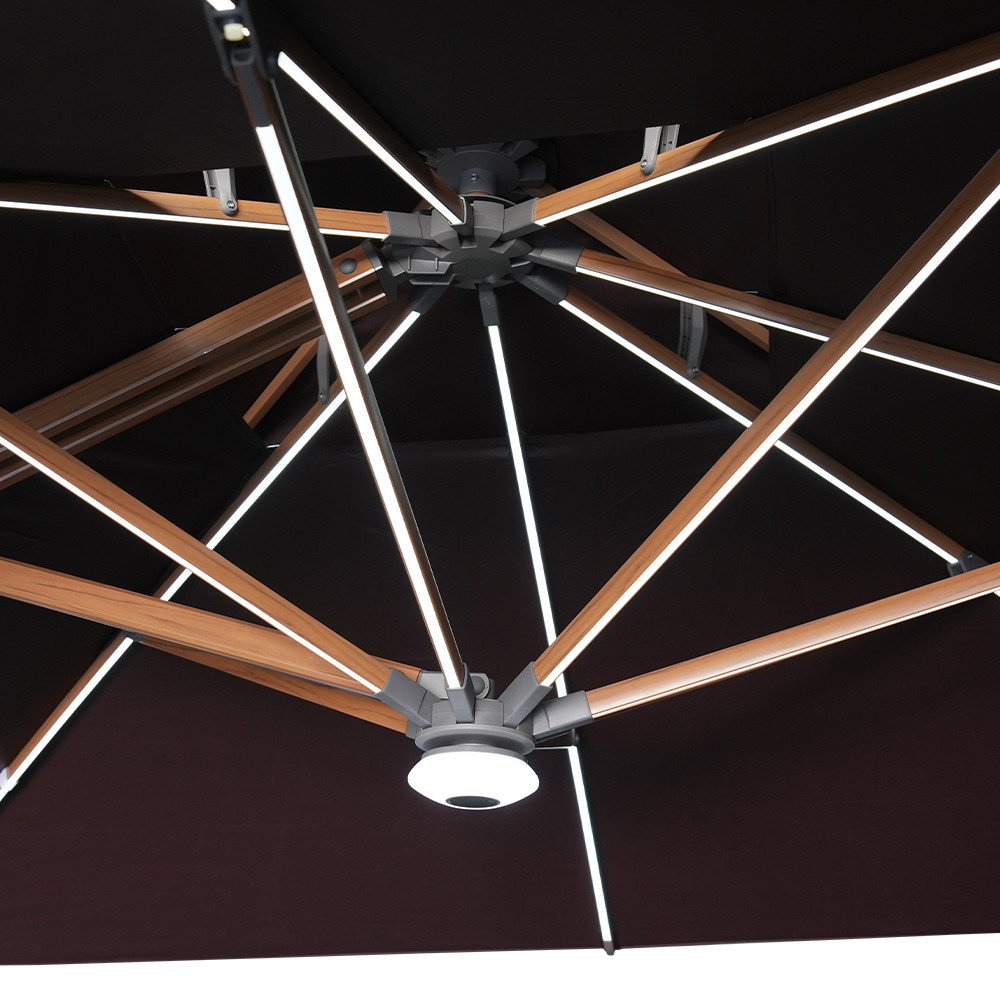
- Flexible Fiberglass Ribs: This is a critical feature for superior wind performance. Unlike rigid steel or wood ribs that can snap under pressure, fiberglass ribs are designed to flex. This flexibility allows the canopy to absorb and disperse the energy of strong wind gusts, dramatically reducing the risk of structural failure. Some studies have shown that fiberglass ribs can be four to five times more durable than their steel or wood counterparts.
- Thick-Walled Poles: The central pole is the backbone of the umbrella. A pole with a thicker wall, often specified as 1.5mm or greater, provides superior strength and resistance to bending or breaking. A heavy-duty, one-piece pole is generally more secure than a multi-piece pole in high-wind areas.
- Reinforced Construction: Look for features like double-reinforced ribs or heavy-duty hubs where the ribs connect. These seemingly small details add significant strength and durability to the overall frame, ensuring all parts work together to withstand stress.
Base Design and Weight: A Crucial Element for Stability
An exceptional umbrella is useless without a proper anchor. The base is the foundation of your umbrella’s stability, and choosing the wrong one is a common and dangerous mistake. A base that is too light will allow the umbrella to become a projectile in the first strong gust.
Considering Portable vs. Permanent Anchoring Options
Your choice of anchoring depends on your environment and need for flexibility.
- Portable (Freestanding) Bases: These are the most common type and offer the flexibility to move your umbrella as needed. They come in various forms:
- Fillable Bases: Typically made of high-density plastic, these bases are designed to be filled with sand or water. Sand is the preferred filler as it is denser and provides more weight for the same volume.
- Solid Bases: Made from heavy materials like concrete, granite, or powder-coated steel, these bases offer maximum stability in a portable format.
- Permanent (Fixed) Mounts: For maximum stability in high-wind locations, a permanent mount is the best option. These are bolted directly into a surface and include:
- Surface Mounts: Bolted directly onto a concrete patio or wooden deck.
- In-Ground Mounts: Set into a concrete footing in the ground, providing the most secure anchoring possible.
The Importance of Appropriate Base Weight and Anchoring
The single most important factor for a freestanding base is its weight. The required weight is directly proportional to the size of your umbrella canopy.
General Base Weight Guidelines (For Freestanding Market Umbrellas): A widely accepted rule of thumb is to use a minimum of 10 pounds of base weight for every foot of umbrella canopy diameter.
| Umbrella Canopy Diameter | Recommended Minimum Base Weight |
|---|---|
| 6-7 feet | 60 - 70 lbs |
| 7.5 - 9 feet | 75 - 90 lbs |
| 10 - 11 feet | 100 - 110+ lbs |
| 12+ feet | 120+ lbs |
Important Considerations:
- Cantilever Umbrellas: Due to their offset design, cantilever umbrellas are much more susceptible to wind and require significantly heavier bases. A 10-foot cantilever umbrella may require a base weighing 180-220 pounds or more.
- Windy Areas: If you live in a consistently windy location, you should increase the base weight by at least 25-50% over the minimum recommendation.
- Table Support: If your umbrella is being used through the center of a sturdy patio table, the table provides some lateral support, and you may be able to use a slightly lighter base (e.g., 50 lbs for a 9-foot umbrella). However, a heavy base is always the safer choice.
Aerodynamic Shape and Flexibility to Withstand Gusts
Beyond materials and weight, the very shape and dynamic response of an umbrella contribute to its performance in the wind. A design that is more aerodynamic and can flex under pressure will always outperform a rigid, poorly shaped one.
How Umbrella Shape Affects Wind Resistance
While both round and square umbrellas are popular, they interact with wind differently.
- Round (Octagonal) Umbrellas: The curved shape of a round umbrella is naturally more aerodynamic. Wind can flow more smoothly and evenly around its surface, which results in less overall pressure and a lower risk of being caught by a gust. This makes round umbrellas a slightly better choice for windy environments.
- Square/Rectangular Umbrellas: Square umbrellas offer the benefit of providing more shade coverage for the same general width. However, their flat sides and sharp corners can catch the wind like a sail, creating more resistance and making them more susceptible to movement in windy conditions. For a square umbrella to perform well, a double-vented canopy and an exceptionally sturdy frame are even more crucial.
- Asymmetrical Shapes: Some innovative designs feature an asymmetrical, teardrop-like shape specifically engineered in a wind tunnel to cut through wind with minimal resistance, automatically finding the most stable position.
The Role of Flexible Components in Wind Dissipation
As mentioned earlier, flexibility is a key strength. Rigid components fight the wind and eventually break, while flexible components work with the wind to dissipate its energy.
- Flexible Ribs: Fiberglass ribs are the prime example. When a gust hits, they bend to absorb the force, allowing the canopy to "breathe" and reducing the immediate stress on the frame. Once the gust passes, they snap back to their original position, maintaining the umbrella's structure.
- Suspension Systems: Some high-end windproof umbrellas incorporate an independent suspension system for each rib. Inspired by automotive technology, this allows each rib to pivot and adjust on its own, creating a highly adaptable frame that can handle chaotic and shifting winds more effectively. This dynamic movement further dissipates wind energy and enhances overall stability.
Assessing Wind Speeds and the Impact on Double Vented Canopy Patio Umbrella Wind Resistance
Even the most robust, well-designed double-vented patio umbrella has its limits. Understanding the environment in which you'll be using your umbrella and respecting the power of the wind are crucial for ensuring its longevity and the safety of your outdoor space. Manufacturers often provide wind-resistance ratings, but it's also important for you, the owner, to be able to judge the conditions and act accordingly. Proactive measures, such as timely closure and proper storage, are just as important as the umbrella's initial build quality.
Understanding the Beaufort Wind Scale for Outdoor Furniture
To standardize the measurement of wind speed and its observable effects, mariners and meteorologists use the Beaufort Wind Force Scale. This scale, developed in 1805, is an excellent tool for any patio owner, as it relates wind speeds to what you can see happening in your own backyard, helping you decide when it's time to take precautions with your outdoor furniture.
Interpreting Wind Speed Descriptions and Landscape Effects
You don't need a fancy anemometer to estimate the wind speed. By observing the world around you, you can get a good sense of the conditions and make an informed decision about your umbrella.
Here is a simplified version of the Beaufort Scale relevant to a patio setting:
| Beaufort Number | Description | Wind Speed (mph) | Landscape Observations | Patio Umbrella Action |
|---|---|---|---|---|
| 0-1 | Calm - Light Air | 0-3 mph | Smoke rises vertically; you can't feel the wind on your face. | Safe to have open. |
| 2 | Light Breeze | 4-7 mph | Wind felt on face; leaves rustle; small flags stir. | Generally safe for most quality umbrellas. |
| 3 | Gentle Breeze | 8-12 mph | Leaves and small twigs in constant motion; light flags extend. | A good quality double-vented umbrella should be fine. Watch for swaying. |
| 4 | Moderate Breeze | 13-18 mph | Raises dust and loose paper; small branches are moving. | Use caution. This is the range where you should consider closing your umbrella, especially larger or cantilever models. |
| 5 | Fresh Breeze | 19-24 mph | Small trees in leaf begin to sway; small waves on inland waters. | Strongly recommended to close and secure your umbrella immediately. Most residential umbrellas are not rated for these speeds. |
| 6+ | Strong Breeze & Higher | 25+ mph | Large branches in motion; whistling heard in wires; umbrellas are difficult to use. | Unsafe. Your umbrella must be closed, secured with a strap, and preferably covered or stored. |

Manufacturer Guidelines and Safe Wind Operation Limits
Always prioritize the manufacturer's specific guidelines over general advice. Reputable brands like Foris Hortus conduct wind-tunnel testing and provide a wind speed rating for their products. This rating indicates the maximum wind speed the umbrella can withstand when properly anchored with the recommended base weight.
- Check the Warranty: Be aware that wind damage is often not covered by warranties, especially if the umbrella was left open in conditions exceeding the manufacturer's recommendations.
- Cantilever Umbrellas: These umbrellas are more vulnerable to wind and typically have lower safe operating wind speeds than center-pole market umbrellas. Pay close attention to their specific guidelines.
- "Windproof" is a Relative Term: While some umbrellas are tested in winds over 50 mph, these tests are usually conducted on closed or specially designed units. No residential patio umbrella is designed to be left open and unattended in a storm.
The Importance of Timely Umbrella Closure and Storage
The single most effective way to protect your umbrella from wind damage is to close it when it's not in use or when you know bad weather is approaching. Being proactive is far better than being reactive.
Preventing Damage in Adverse Weather Conditions
Leaving an umbrella open in high winds is a recipe for disaster. The immense force can cause a range of damage:
- Broken Ribs: Fiberglass ribs can flex, but extreme gusts can push them beyond their limit, causing them to snap.
- Torn Canopy: The fabric can tear away from the frame, or the wind can rip holes in the material itself.
- Bent Pole: The central pole can bend or even break under the strain, especially at connection points.
- Damaged Crank or Tilt Mechanisms: The delicate internal mechanisms that operate the umbrella can be stripped or broken by the force of the wind whipping the canopy.
- Toppling and Collateral Damage: As mentioned before, a flying or toppling umbrella can damage furniture, decking, windows, and, most importantly, injure people.
The rule is simple: if in doubt, close it. It takes only a moment to crank an umbrella shut, and doing so can save you from costly repairs and potential safety hazards.
Best Practices for Securing Your Double Vented Canopy Patio Umbrella
Properly securing your umbrella after closing it is the final step in protecting it from the wind. An unsecured, closed umbrella can still be caught by the wind and knocked over.
- Use the Attached Tie: Nearly all quality umbrellas come with a built-in tie, usually a Velcro or fabric strap. Always wrap this tie securely around the closed canopy. This prevents the canopy from flapping, which can cause fabric wear, and stops the wind from getting underneath and partially opening it.
- Invest in a Protective Cover: An umbrella cover is an excellent investment. It provides an additional layer of security, keeping the canopy tightly wrapped and protected from wind. It also shields the fabric from UV rays, dirt, and moisture when the umbrella is not in use for extended periods, further prolonging its life.
- Store During the Off-Season: If you live in a climate with harsh winters, it is best practice to completely remove your umbrella and store it indoors. Clean the canopy and frame, ensure they are completely dry to prevent mildew, and store the umbrella in its protective cover in a dry, sheltered location like a garage or basement. This will protect it from the cumulative damage of winter storms and freezing temperatures.
Choosing Your Ideal Double Vented Canopy Patio Umbrella for Optimal Wind Resistance
Selecting the perfect wind-resistant patio umbrella is a thoughtful process that balances functionality, durability, and your specific environmental needs. A premium umbrella is a significant investment in your outdoor comfort and safety, so it’s essential to look beyond the price tag and prioritize the features that deliver true long-term value. By arming yourself with knowledge, you can confidently choose a model that will serve you well for many seasons.
Key Features to Prioritize When Shopping
When you begin your search, it’s easy to get overwhelmed by the variety of options. Focus on the core components that contribute to wind resistance and overall quality to narrow down your choices effectively.
Evaluating Size, Functionality, and Your Microclimate
Before you fall in love with a particular design, assess your own space and needs with a critical eye.
- Size Matters: The size of the umbrella should be proportional to the space you want to shade. However, remember that a larger canopy will catch more wind. If you live in a very windy area, a slightly smaller, more manageable umbrella (e.g., 9 feet) paired with an extra-heavy base might be a smarter choice than a very large (11+ feet) model.
- Assess Your Microclimate: Consider the specific wind patterns of your property. Is your patio sheltered by the house, or is it in a wide-open, exposed area? Are you in a coastal region or a mountain valley known for frequent gusts? An honest assessment of your local conditions will help you determine how robust your umbrella and its anchoring system need to be.
- Functionality vs. Simplicity: Features like tilting mechanisms and 360-degree rotation on cantilever models are fantastic for all-day shade. However, these moving parts can also be points of weakness in extreme wind. If ultimate durability is your absolute top priority, a simpler, high-quality market umbrella with a heavy-duty pole and fiberglass ribs might offer greater resilience than a complex cantilever model.
The Convenience of Automatic Opening Mechanisms and Tilting Features
Modern umbrellas offer remarkable convenience, but it's important to understand how these features impact durability.
- Crank Lifts: Most large patio umbrellas use a crank mechanism to open and close. Look for a smooth, sturdy-feeling crank. High-quality models often feature durable metal components, while cheaper versions may use plastic parts that can strip or break over time.
- Tilting Mechanisms:
- Push-Button Tilt: Common on market umbrellas, this simple mechanism allows you to pivot the canopy by pressing a button near the hub. It's straightforward but can be a weak point if not robustly built.
- Collar/Auto Tilt: This more convenient system allows you to tilt the canopy by continuing to turn the main crank after the umbrella is fully open. It's a premium feature that's generally more durable than a push-button design.
- Quality Check: When examining these mechanisms, pay attention to the materials. Are the joints made of solid, cast metal or flimsy plastic? Does the movement feel smooth and secure, or does it wobble? These details are often what separate a reliable umbrella from one that will fail prematurely.
Verifying Manufacturer Claims with Objective Certifications
In a market flooded with products all claiming to be the "best," it can be difficult to separate genuine quality from marketing hype. Objective, third-party certifications and transparent warranty information can provide a reliable measure of a product's quality and durability.
Recognizing Reputable Certifications like TUV, ISO, and ASTM
While not always present on every product, seeing a reputable certification mark can provide an extra layer of confidence in the manufacturer's claims.
- TÜV (Technischer Überwachungsverein): A German organization renowned for its rigorous safety and quality testing. A TÜV certification indicates that a product has met strict standards for safety, quality, and durability.
- ISO (International Organization for Standardization): ISO certifications, such as ISO 9001, relate to a company's quality management systems. It signifies that the manufacturer has consistent processes in place to produce a quality product, though it doesn't certify the product itself.
- ASTM International (American Society for Testing and Materials): ASTM develops and publishes technical standards for a wide range of materials and products. While you may not see an ASTM logo on the umbrella, manufacturers might state that their products meet specific ASTM standards for things like fabric tear resistance or frame durability.
- Skin Cancer Foundation Seal of Recommendation: For canopy fabrics, this seal is a trustworthy indicator of excellent UV protection, a key component of a quality fabric that also contributes to its longevity.
Understanding Warranty Terms and Wind Guidelines to Protect Your Investment
A manufacturer’s warranty is a direct statement of the confidence they have in their own product. Read the warranty carefully before you buy.
- Frame Warranty: A long warranty on the frame (e.g., 3-5 years) is a good sign. Pay special attention to the coverage for the ribs. Some top brands offer a separate, more extensive warranty specifically against fiberglass rib breakage.
- Fabric Warranty: High-quality, solution-dyed acrylic fabrics often come with their own warranty against fading, typically for 5 years or more. This is a strong indicator of a durable, long-lasting canopy.
- The "Wind Damage" Clause: It is critical to understand that almost all patio umbrella warranties explicitly exclude damage from wind. This is because they cannot control how the user operates the umbrella. This clause underscores the importance of following the manufacturer's operational guidelines, using the correct base weight, and closing the umbrella in high winds. Adhering to these rules is your responsibility and the best way to protect your investment.
By prioritizing these key features and verifying quality through certifications and warranties, you can choose an ideal double-vented canopy patio umbrella, like those offered by Foris Hortus, that provides not just shade, but lasting, reliable performance.
Maintaining and Operating Your Double Vented Canopy Patio Umbrella for Lasting Wind Resistance
Purchasing a high-quality, wind-resistant patio umbrella is the first step toward enjoying a durable and reliable source of shade. However, even the best-built products require proper care and smart operation to maintain their performance and longevity. Regular maintenance and developing good habits will ensure your umbrella continues to provide a safe and comfortable sanctuary, season after season, preserving its ability to stand up to windy conditions.
Routine Maintenance for Enhanced Longevity
Think of routine maintenance as a regular health check-up for your umbrella. By catching small issues early, you can prevent them from becoming major problems that compromise the umbrella's structural integrity. Set aside a few minutes at the beginning and end of each season, and after any significant weather events, to perform a thorough inspection.
Inspecting for Wear and Tear: Bolts, Lubrication, and Canopy Integrity
A systematic inspection will help you identify areas that need attention.
- Check All Hardware: Carefully examine all bolts, screws, and joints. Over time, the natural movement and vibration from wind can cause hardware to loosen. Tighten any loose connections to ensure the frame remains solid and secure. A wobbly frame is a weak frame.
- Lubricate Moving Parts: The crank mechanism, tilt joints, and any rotating collars contain moving parts that can become stiff or grind over time due to dirt and moisture. Apply a silicone-based lubricant (avoid oil-based ones, which can attract more dirt) to keep these mechanisms operating smoothly and prevent unnecessary wear.
- Inspect the Canopy:
- Fabric Integrity: Look for any signs of fraying, thinning, or small tears, paying close attention to the seams and the pockets where the ribs are inserted. A small hole can quickly become a large rip in a strong gust.
- Stitching: Check the stitching along the vents and seams. Strong, intact stitching is crucial for the canopy's ability to handle stress.
- Cleaning: Keep the canopy clean. Dirt, bird droppings, and pollen can degrade the fabric over time and may encourage mildew growth. Clean the fabric according to the manufacturer's instructions—typically with a soft brush and a solution of mild soap and lukewarm water. Rinse thoroughly and allow it to air dry completely before closing.
Addressing Signs of Wind Stress Immediately
Your umbrella will often show signs of stress before it fails completely. Being vigilant and acting on these warning signs is key to preventing catastrophic damage.
- Excessive Swaying or Wobbling: If your umbrella seems to be swaying more than usual even in a light breeze, the first thing to check is the base. Ensure the pole is securely tightened in the base tube and that the base itself is heavy enough. If the base is secure, the wobbling could indicate a loose joint in the frame that needs tightening.
- Bowing or Flexing Pole: A slight flex in fiberglass ribs is normal and desirable, but the main pole should remain rigid. If you notice the pole itself bowing or flexing under wind load, it is a sign that the conditions are too severe for the umbrella. Close it immediately.
- Sticking or Grinding Mechanisms: If the crank or tilt mechanism becomes difficult to operate, do not force it. This is often a sign of debris in the mechanism or a part that is bent or out of alignment. Forcing it can cause permanent damage. Investigate the cause and clean or repair it as needed.
Smart Habits for Safe and Effective Use in Windy Conditions
How you use your umbrella on a daily basis has a profound impact on its lifespan and safety. Adopting a few simple, smart habits will become second nature and will be your best defense against wind-related mishaps.
The Importance of Prompt Closure During Strong Winds
This is the golden rule of patio umbrella ownership and cannot be overstated.
- When in Doubt, Close It: As you become familiar with the Beaufort Scale and your local weather patterns, you'll develop a sense for when conditions are becoming too windy. If you start to feel concerned, trust your instincts and close the umbrella. It is always better to be overly cautious.
- Never Leave it Open Unattended: Never leave your umbrella open when you are away from home or overnight. Weather is unpredictable, and a sudden, unexpected storm can arise quickly. Make it a habit to close the umbrella every time you are finished using it for the day.
- Tilt with Caution: Using the tilt feature angles the canopy, which can cause it to catch the wind more directly like a sail. On breezy days, it is safer to use the umbrella in its upright, vertical position to maintain maximum stability.
Optimizing Placement and Anchoring for Maximum Double Vented Canopy Patio Umbrella Wind Resistance
The final piece of the puzzle is ensuring your umbrella is set up for success from the very beginning.
- Choose a Sheltered Location (If Possible): If you have a choice, placing your umbrella in a location that receives some shelter from a wall, fence, or hedge can reduce the direct impact of wind. Avoid creating a wind tunnel by placing it in a narrow gap between two buildings.
- Double-Check Your Anchoring: At the start of every season, reconfirm that your base is providing adequate weight. If you have a fillable base, check for any cracks or leaks, and ensure it is completely filled with sand or water. For permanent mounts, check that all bolts are tight and there is no corrosion or damage to the mounting point.
- Use Security Straps: For added peace of mind, especially with large cantilever umbrellas, you can use heavy-duty, weather-resistant straps to provide an extra anchor point, securing the pole to a sturdy deck railing or post.
By integrating these maintenance routines and operational habits, you can work in partnership with your Foris Hortus umbrella's excellent design, ensuring lasting performance and countless hours of safe, comfortable outdoor enjoyment.
Frequently Asked Questions (FAQ)
1. How much wind can a double-vented patio umbrella really handle? This depends heavily on the umbrella's size, build quality, and base weight. A high-quality, 9-foot center-pole umbrella with a double-vented canopy, fiberglass ribs, and a 90-100 lb base may be rated for winds up to 20-25 mph. However, it is always safest to close the umbrella in winds exceeding 15-18 mph (a Moderate Breeze on the Beaufort scale). Always refer to the manufacturer's specific guidelines.
2. Are cantilever (offset) umbrellas as good in the wind as center-pole umbrellas? Generally, center-pole (market) umbrellas are more stable in the wind. Their symmetrical design and direct downward force into the base make them inherently more aerodynamic. Cantilever umbrellas, with their offset design, are more susceptible to lift and rotational forces from the wind and require significantly heavier bases to remain stable.
3. Is a heavier frame material like steel better than a lighter one like aluminum? Not necessarily. For wind resistance, a combination of materials is often best. A strong, powder-coated aluminum pole provides a rigid, corrosion-resistant backbone, while flexible fiberglass ribs are superior for handling gusts because they can bend without breaking. A heavy, rigid frame can be more brittle and prone to snapping under the stress of high winds.
4. What is the best way to add more weight to my existing umbrella base? If your base is insufficient, you can purchase supplemental "weight bags." These are durable, saddlebag-style bags that you fill with sand and place over the top of your existing base, wrapping around the pole. They are an effective and aesthetically pleasing way to add 50-100 lbs of extra stability.
5. How do I clean and maintain the double-vented canopy? Regularly brush off loose dirt. For a deeper clean, use a soft brush with a solution of mild soap and lukewarm water. Gently scrub the fabric, rinse thoroughly with clean water, and let it air dry completely before closing to prevent mildew. Avoid using harsh detergents or pressure washers, which can damage the fabric's protective coating.
Conclusion
By delving into the smart design principles, evaluating crucial features, and committing to proper maintenance, you can confidently select and care for a double-vented canopy patio umbrella that will reliably stand up to the elements. This knowledge transforms the simple act of buying an umbrella into a strategic investment in the quality and resilience of your outdoor living space, ensuring you can enjoy it even when the weather is less than perfect.
Ultimately, investing in a high-quality double-vented canopy patio umbrella with superior wind resistance is about more than just finding shade; it's about curating a more dependable and delightful outdoor sanctuary. It means fewer afternoons spent worrying about a sudden gust and more time spent relaxing and making memories. We hope this guide empowers you to make the best choice for your home, creating an outdoor haven with products from Foris Hortus that you can trust for years to come.