Guide to Choosing Outdoor Shade Materials: Durability, Cost, and Lifecycle
Choosing the right outdoor shade material is a pivotal decision for any homeowner looking to enhance their outdoor living space. At Foris Hortus, we've guided countless clients through this process, and we understand that the choice extends far beyond mere aesthetics. It's a complex equation involving durability, initial investment, and, most critically, the long-term lifecycle cost of your shade solution. A beautiful patio cover that degrades in a few years is not a feature; it's a recurring expense and a source of frustration.
Our goal with this comprehensive guide is to empower you to navigate the myriad of options available. We want to help you make an informed decision that not only beautifies your outdoor space but also provides lasting comfort and protection. By understanding the true lifecycle cost, you can select a solution that offers the best value for years to come, turning your backyard into a permanent oasis.
From deciphering the crucial differences between residential and commercial-grade structures to taking a deep dive into the properties of various materials, we will share our expertise to help you select a shade solution that meets your unique needs and truly stands the test of time. This investment in knowledge today will pay dividends in durability, safety, and enjoyment for the lifetime of your home.
Key Takeaways
- Commercial-Grade is a Wiser Investment: While the initial cost is higher, commercial-grade materials offer a significantly lower lifecycle cost. They are engineered with superior components like high-strength, UV-resistant fabrics (e.g., HDPE), robust hardware (e.g., 316 stainless steel), and durable frames (e.g., galvanized, powder-coated steel) designed to last 15-20 years or more. This longevity drastically reduces replacement frequency, long-term maintenance expenses, and environmental waste.
- Material Choice Dictates Lifecycle: The material you choose for your shade structure's frame and canopy has the most significant impact on its durability, maintenance needs, and overall cost over time.
- Aluminum: Offers an excellent balance of durability, low maintenance, and design flexibility. It is naturally rust-proof and relatively cost-effective.
- Wood: Provides unmatched natural beauty but comes with high maintenance requirements, including regular staining or sealing to prevent rot, warping, and insect damage. This ongoing upkeep adds substantially to its lifecycle cost.
- Fabrics (HDPE/PVC): High-Density Polyethylene (HDPE) is the standard for UV protection and breathability, while PVC-coated fabrics offer waterproofing. The quality of the fabric directly impacts its lifespan, with commercial grades lasting many times longer than retail alternatives.
- Beyond Materials: Engineering and Installation are Critical: A shade structure is only as strong as its foundation and installation. Professional installation is essential for safety, warranty validation, and ensuring the structure can withstand local environmental conditions like wind and snow loads. Proper engineering, including correctly sized concrete footings and adherence to local building codes, prevents structural failure and ensures long-term stability and safety.
- Acknowledge the Hidden Costs: The true cost of a shade structure includes more than just materials. Homeowners must factor in the expenses and time associated with building permits, professional site preparation, potential adjustments to landscaping, and understanding how the structure impacts homeowners insurance. Overlooking these elements can lead to significant budget overruns and legal complications. Investing in a comprehensive solution from a reputable provider like Foris Hortus helps manage these variables effectively.
Understanding the Foundation: Why Commercial-Grade Materials Influence the Lifecycle Cost of Outdoor Shade Materials
When we talk about the "lifecycle cost" of an outdoor shade structure, we're looking beyond the initial price tag. We're evaluating the total cost of ownership over the structure's entire lifespan. This includes purchase price, installation, maintenance, repairs, and eventual replacement. It is in this comprehensive view that the profound value of commercial-grade materials, as opposed to their residential or retail-grade counterparts, becomes crystal clear. Commercial-grade isn't just a label; it's a fundamentally different approach to engineering and construction, designed for longevity, safety, and minimal long-term expense.
Premium Fabrics and Components for Extended Lifespan
The most visible, and often most vulnerable, part of a shade structure is its canopy and the hardware that holds it in place. This is where commercial-grade specifications make a dramatic difference in performance and durability.
High-Strength, UV-Resistant Fabrics
Residential-grade shade sails or canopies, often found in big-box stores, may last a few seasons before they begin to fade, sag, or tear. Commercial-grade fabrics, however, are engineered for continuous, long-term exposure.
- Material Composition: The primary material used for high-quality shade sails is High-Density Polyethylene (HDPE). Commercial-grade HDPE fabric is distinguished by its high GSM (grams per square meter) count and a lock-stitch knit pattern that prevents tears from running. This fabric can block up to 98% of harmful UV rays, protecting not only the people underneath but also the fabric itself from sun degradation.
- UV Stabilizers: Premium fabrics are infused with high-end UV stabilizers during the manufacturing process. These inhibitors are crucial for preventing the polymer chains in the fabric from breaking down under constant sun exposure, which is what causes lesser fabrics to become brittle and fail.
- Colorfastness: To combat fading, top-tier fabrics use colorants that are deeply embedded in the fibers and are highly resistant to UV bleaching. This ensures a vibrant, aesthetically pleasing appearance for a decade or more, unlike cheaper fabrics that can look worn and faded after just one summer.
The result is a fabric canopy that can be expected to last 10-15 years or more, even in harsh sun environments, directly reducing the cost and hassle of frequent replacements.

Robust Hardware and Fasteners
A fabric canopy is only as strong as the hardware securing it. Commercial systems use materials designed to withstand immense and constant tension without failing.
- Stainless Steel: The industry standard for high-end shade hardware is Grade 316 stainless steel. This marine-grade alloy contains molybdenum, which gives it superior resistance to corrosion from salt and other environmental chemicals compared to other grades like 304 stainless steel. Turnbuckles, shackles, and attachment plates made from 316 stainless steel will not rust or seize, ensuring the structure remains secure and adjustable for its entire life.
- Galvanized Steel: For components where extreme strength is the primary concern, hot-dip galvanized steel is often used. This process coats the steel in a thick layer of zinc, providing excellent corrosion protection.
- Proper Sizing: Commercial hardware is substantially larger and has higher load ratings than residential kits. This prevents the metal from stretching, bending, or breaking under high wind loads, which is a common point of failure in cheaper systems.
Superior Frame Materials and Coatings
The structural frame is the backbone of any permanent shade solution. Its ability to resist environmental stressors like moisture, humidity, and temperature swings is paramount to the structure's longevity and safety.
Galvanized and Powder-Coated Steel
For the ultimate in durability, commercial-grade steel structures often employ a two-layer defense system: galvanization followed by powder coating.
- Hot-Dip Galvanization: The raw steel columns and beams are first submerged in a bath of molten zinc. This creates a metallurgical bond, coating the steel inside and out with a tough, corrosion-resistant zinc layer.
- Powder Coating: After galvanization, a powder coating is electrostatically applied and then cured under heat. This forms a hard, durable finish that is much thicker and more resilient than conventional liquid paint. It provides an additional barrier against moisture and UV rays while offering a smooth, high-end aesthetic finish in a wide range of colors.
This dual-layer system ensures that even if the outer powder coat is scratched, the underlying zinc galvanization continues to protect the steel from rust.
Enhanced Resistance to Corrosion and Wear
Corrosion—rust—is the primary enemy of any steel structure. Commercial-grade coatings are rigorously tested to ensure they can withstand the elements for decades. Manufacturers often use salt spray tests, which simulate years of corrosive exposure in a controlled chamber, to validate the performance of their coatings. A quality powder coat over galvanized steel can withstand thousands of hours in a salt spray test without failure, translating to a structure that won't show signs of rust or degradation even after 20 years in a coastal or humid environment. This eliminates the significant lifecycle cost of sanding, priming, and repainting a corroded structure every few years.
The Importance of Substantial Foundations
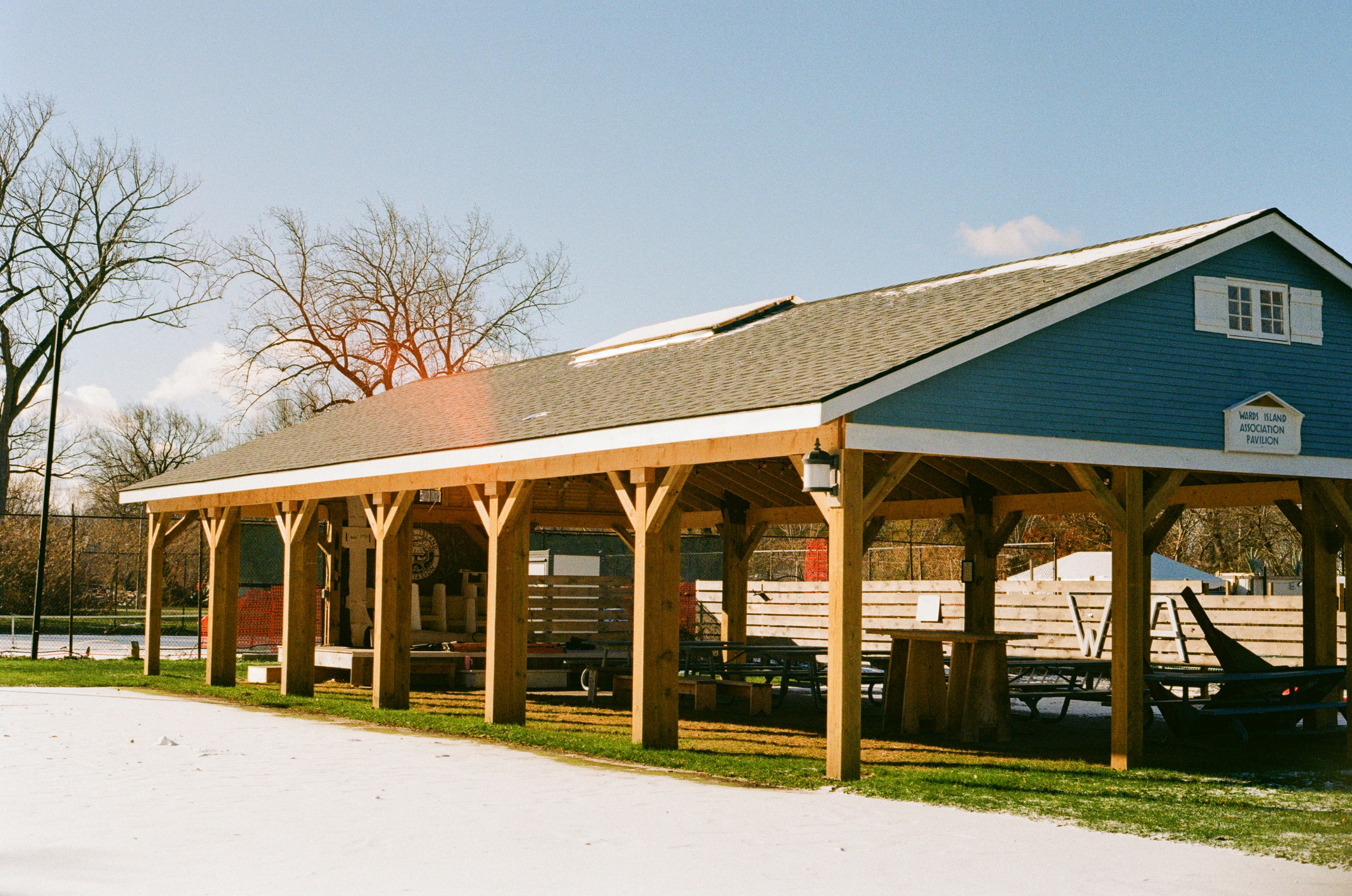
An often-overlooked aspect that dramatically impacts lifecycle cost and safety is the foundation. A high-quality shade structure is a permanent addition to your property, and it must be anchored accordingly.
Larger, Deeper Concrete Footings
Retail pergola kits might suggest using simple screw-in anchors or small saddle brackets. Commercial-grade structures, however, are specified with substantial concrete footings.
- Engineering Specifications: The size and depth of these footings are not arbitrary. They are calculated by a structural engineer based on the structure's size and weight, the local soil type, the frost line depth, and the maximum expected wind and snow loads in the region.
- Depth and Mass: Footings for a commercial structure may need to be several feet deep and wide, containing a large mass of concrete. This depth ensures the footing is below the frost line, preventing it from heaving during freeze-thaw cycles. The mass provides the necessary ballast to resist the immense uplift forces generated by wind getting under the canopy or roof.
Ensuring Stability and Safety
Putting a large, engineered structure on an inadequate foundation is a recipe for disaster. A structure that shifts, leans, or pulls out of the ground is not only a total financial loss but also a serious liability. The investment in professionally specified and installed footings is non-negotiable for ensuring the long-term stability of the structure. This upfront cost prevents the catastrophic future costs associated with structural failure, which could include damage to your home, property, or worse. By building on a solid foundation, you ensure your shade structure remains a safe and stable asset for its entire 20+ year lifespan.
The Real Value: Long-Term Benefits and the Lifecycle Cost of Outdoor Shade Materials
Choosing a commercial-grade shade structure from a trusted provider like Foris Hortus is a strategic financial decision. The real value is not just in having a functional and beautiful outdoor space, but in the tangible, long-term benefits that lead to a significantly lower total cost of ownership. The initial higher investment acts as an insurance policy against the frequent repairs, premature replacements, and hidden expenses that plague lesser-quality alternatives.
Maximizing Lifespan and Minimizing Replacements
The most direct way a quality structure saves you money is by simply lasting longer. The cycle of buying, installing, and disposing of cheap, temporary solutions is both expensive and wasteful.
15-20+ Year Performance Expectations
While a residential-grade pergola or awning might look good for a season or two, its lifespan is often measured in single-digit years. Exposure to sun, rain, and wind quickly degrades thin-gauge metal, untreated wood, and low-quality fabrics. Commercial-grade structures are engineered with a completely different performance expectation.
- Structural Warranty: Reputable manufacturers of commercial systems typically offer warranties of 10, 15, or even 20 years on the structural frame. This is a testament to the confidence they have in their materials and engineering, from the powder-coated steel to the professional-grade welding.
- Fabric Longevity: High-end architectural fabrics also come with pro-rated warranties, often for 10 or 15 years, against UV degradation. This means you can expect more than a decade of performance before the canopy even needs to be considered for replacement.
When you invest in a system designed to last 20 years, you are effectively pre-paying for four or five generations of a cheaper product, but without the recurring labor costs and hassle of replacement.
Reduced Material Waste and Environmental Impact
The "buy-it-for-life" philosophy extends beyond personal finance; it has a significant environmental benefit. The throwaway culture associated with cheap outdoor products contributes tons of metal, plastic, and chemically treated wood to landfills every year. Choosing a durable, long-lasting structure is an inherently sustainable choice. By minimizing the need for replacements, you conserve the resources and energy required to manufacture and transport new goods, and you reduce your household's contribution to landfill waste. This aligns with a growing desire among homeowners to make more environmentally responsible purchasing decisions.
Lower Maintenance and Repair Expenses
Maintenance is a significant, and often underestimated, component of lifecycle cost. The time and money spent on upkeep can quickly dwarf any initial savings from a cheaper product. High-quality materials are specifically chosen to minimize this burden.
Resistance to Corrosion, UV Degradation, and Wear
As detailed previously, the materials used in commercial structures are designed to be inherently resilient.
- No Rust: Powder-coated galvanized steel or architectural-grade aluminum frames do not rust. This completely eliminates the need for the laborious and costly process of periodically sanding down rust spots, priming, and repainting the entire structure—a common requirement for painted steel or wrought iron.
- No Rot or Pests: Unlike wood, steel and aluminum are impervious to rot, mold, and insect damage. You will never have to treat your structure for termites or replace a board that has begun to decay from moisture.
- No Fading or Cracking: The UV-stabilized fabrics and robust powder-coat finishes resist fading and chalking from the sun. The structure maintains its original appearance for years, avoiding the worn-out, 'aged' look that cheaper materials quickly develop.
Less Frequent Cleaning, Painting, or Repair Needs
The low-maintenance nature of quality materials translates directly into savings of both time and money. While any outdoor structure benefits from occasional cleaning, commercial-grade products require far less intervention. A simple wash-down with mild soap and water once or twice a year is typically all that is needed to keep the frame and fabric looking their best. There are no intensive annual rituals of staining, sealing, or painting. This "set it and forget it" quality is a major value proposition for busy homeowners who want to spend their time enjoying their outdoor space, not working on it.
Enhanced Safety, Compliance, and Warranty Protection
The final pillar of long-term value lies in the assurance of safety and the backing of a strong warranty. These elements protect your investment and your family.
Meeting and Exceeding Code Requirements
Low-cost, DIY-oriented shade kits are generally not designed or tested to meet specific local building codes. Commercial structures, on the other hand, are designed by engineers precisely for this purpose.
- Engineered for Your Location: Professional shade solutions are specified to meet or exceed the wind, snow, and seismic load requirements mandated by the International Building Code (IBC) and local ordinances for your specific address. This is not just a bureaucratic hurdle; it is a critical safety measure that ensures your structure will not collapse during a severe storm.
- Insurance and Resale Value: A fully permitted, code-compliant structure is a legitimate, insurable asset. It can be added to your homeowner's insurance policy and can increase the resale value of your home. A non-compliant structure can be a liability and may even need to be removed upon inspection when you sell your property.
Stronger Manufacturer Warranties
A warranty is only as good as the company that stands behind it. Established manufacturers of commercial-grade structures offer comprehensive, long-term warranties that provide real protection. These warranties cover structural failure, manufacturing defects, and even the performance of the finish, such as excessive peeling or fading. Should an issue arise, you have a clear path to resolution with a company that has a vested interest in protecting its reputation. This stands in stark contrast to the often limited or non-existent warranties on retail products, where recourse is difficult to obtain. A strong warranty is the ultimate expression of a manufacturer's belief in the long-term value and durability of their product.
Material Choices: Durability, Cost, and Their Impact on the Lifecycle Cost of Outdoor Shade Materials
The frame of your shade structure is its skeleton, providing the essential support and defining its aesthetic. The material you select for this frame is one of the most consequential decisions you'll make, directly influencing the structure's visual appeal, maintenance requirements, durability, and, ultimately, its true lifecycle cost. Let's explore the most common options and how they stack up.
Aluminum: The Durable and Cost-Effective Champion
For a majority of residential and commercial applications, aluminum stands out as a superior choice, offering an exceptional balance of performance and value. At Foris Hortus, we frequently recommend architectural-grade aluminum for its blend of modern aesthetics and long-term resilience.
Low Maintenance and High Durability
The primary advantage of aluminum is its inherent resistance to corrosion. Unlike steel, aluminum naturally forms a passive oxide layer on its surface that instantly protects it from rust, even if it's scratched. This makes it an ideal material for coastal areas with salt-laden air or humid climates where moisture is a constant threat.
- No Rust, Ever: You will never have to worry about rust spots or the structural degradation that comes with corrosion.
- Powder Coating Adhesion: The surface of aluminum is also excellent for accepting a powder-coat finish, creating a vast range of color options that are fade-resistant and incredibly durable.
- Strength-to-Weight Ratio: Modern aluminum alloys are engineered to be extremely strong yet lightweight. This makes installation easier and reduces the load on foundations without compromising structural integrity.
This low-maintenance profile means you save significant time and money over the structure's life, avoiding the recurring costs of sanding, painting, or sealing required by other materials.
Design Flexibility and Affordability
Aluminum is an extruded material, meaning it can be formed into a wide variety of complex shapes and profiles. This allows for sleek, modern designs with clean lines that are difficult to achieve with wood or steel. From minimalist pergolas to intricate louvered roof systems, aluminum provides tremendous design flexibility.
While the initial cost of an aluminum structure might be slightly higher than a basic pine wood kit, its lifecycle cost is significantly lower. When you factor in the money saved from not having to perform regular maintenance and the fact that it will not need to be replaced for decades, aluminum often emerges as the most cost-effective option in the long run.
Wood: Natural Beauty with Maintenance Considerations
There is no denying the timeless, natural beauty of a wooden shade structure. Materials like cedar, redwood, and Douglas fir offer a classic, warm aesthetic that can perfectly complement traditional home styles and lush garden landscapes.
Aesthetic Appeal and Customization
Wood offers a unique organic texture and visual appeal that metals cannot fully replicate. It can be stained in various shades to match other wooden elements on your property, and it allows for a high degree of on-site customization by a skilled carpenter. For those prioritizing a rustic or traditional look, wood is often the first choice.
Regular Maintenance Requirements and Potential for Wear
This aesthetic appeal comes at a significant cost in terms of maintenance. Wood is an organic material, and when left outdoors, it is susceptible to a host of issues:
- Moisture Damage: Wood absorbs moisture, which can lead to warping, splitting, and cracking as it swells and shrinks. It is also a breeding ground for rot and mildew if not properly protected.
- Pest Infestations: Termites, carpenter bees, and other wood-boring insects can compromise the structural integrity of the frame.
- UV Degradation: The sun's rays break down the lignin in wood, causing it to fade to a silvery gray and become more susceptible to moisture damage.
To combat these issues, a wood structure requires a rigorous maintenance schedule. It must be thoroughly cleaned and re-stained or re-sealed every one to three years, depending on the climate and type of finish used. This ongoing labor and material cost adds up substantially over the life of the structure, making wood one of the most expensive materials in terms of total lifecycle cost.
Fabric Options: Versatility and Specific Uses
While fabrics are most often used as the canopy, they are the defining feature for tensioned shade sails and other fabric structures. The type of fabric chosen is critical for UV protection, weather resistance, and lifespan.
High-Density Polyethylene (HDPE) for UV Protection
HDPE is the premier material for creating shade. It's a breathable knitted fabric that allows hot air to escape, creating a cooler environment underneath.
- UV Blockage: High-quality HDPE can block between 90% and 98% of UV rays, making it one of the most effective materials for sun protection.
- Durability: Commercial-grade HDPE is highly resistant to tearing and fading, with lifespans of 10-15 years being common. It is not waterproof, which can be an advantage in some areas as it prevents water from pooling.
PVC-Coated Fabrics for Water Resistance
For applications requiring waterproof protection, such as covering an outdoor dining area, PVC (Polyvinyl Chloride) coated polyester fabrics are the standard.
- Waterproofing: The PVC coating makes the fabric completely impervious to rain, keeping the area below dry.
- Durability and Cleaning: These fabrics are very durable and easy to clean, often featuring a slick topcoat that helps dirt and debris wash away. However, they are not breathable, so they can trap heat more than HDPE.
Considerations for Durability and Lifespan
With any fabric, quality is everything. Cheap, low-grade fabrics may only last a single season before they disintegrate. Investing in a commercial-grade fabric with a strong warranty from a reputable manufacturer is essential to avoid the near-annual cost of replacement. Factors like stitch quality, reinforced corners, and the material of the thread all contribute to the canopy's overall lifespan.
Other Materials: Vinyl and Polycarbonate
Two other materials are often used in shade structures, each with its own set of characteristics.
Vinyl's Low Maintenance and Weather Resistance
Vinyl, or PVC, can be used to create entire pergola and gazebo structures. Its main advantage is that it is extremely low-maintenance. It never needs painting or staining and can be easily cleaned with soap and water. However, vinyl lacks the structural strength of aluminum or steel. Most vinyl structures require internal wood or metal reinforcements, which can be susceptible to rot or rust if moisture penetrates the outer vinyl sleeve. While it offers good weather resistance, it can become brittle in very cold climates and may not offer the same high-end appearance as metal or wood.
Polycarbonate's Light Transmission and Strength
Often used as roofing panels on pergolas and patio covers, polycarbonate is a strong, impact-resistant plastic. Its key feature is that it is transparent or translucent, allowing sunlight to pass through while blocking UV rays and providing protection from rain. This is ideal if you want to maintain a bright area while still having overhead cover. Polycarbonate panels are very durable and long-lasting but can be more expensive than fabric canopies and may require occasional cleaning to maintain their clarity.
| Material | Durability | Maintenance | Initial Cost | Lifecycle Cost | Best for… |
|---|---|---|---|---|---|
| Aluminum | Excellent | Very Low | Medium-High | Low | Modern designs, coastal areas, low maintenance focus |
| Wood | Good (if maintained) | Very High | Medium | High | Traditional aesthetics, rustic settings |
| HDPE Fabric | Excellent | Low | Low-Medium | Low | High UV protection, breathable shade, large spans |
| PVC Fabric | Excellent | Low | Medium | Low-Medium | Waterproof coverage, outdoor dining areas |
| Vinyl | Good | Very Low | Medium | Medium | Low maintenance focus, but lower structural strength |
| Polycarbonate | Excellent | Low | High | Medium | Rain protection while allowing maximum light |
Beyond Materials: Installation, Engineering, and the True Lifecycle Cost of Outdoor Shade Materials
Even with the finest materials, a shade structure's long-term success and safety hinge on three often-underestimated factors: the quality of the installation, the soundness of its engineering, and the management of "hidden" costs. Simply buying a box of parts, no matter how high-quality, is not the end of the story. The expertise brought to the project during its construction and planning phases is what truly protects your investment and ensures a low lifecycle cost.
The Critical Role of Professional Installation
Some homeowners may be tempted by the apparent savings of a DIY installation. However, for a permanent, engineered structure, this is a perilous path that can lead to higher costs down the road, voided warranties, and significant safety risks.
Specialized Expertise and Equipment
Installing a large-scale commercial-grade shade structure is not a typical weekend project. It requires:
- Specialized Tools: Professionals use laser levels, core drills for concrete, heavy-duty lifts, and tensioning tools to ensure every component is perfectly aligned and secured to specification.
- Knowledge of Tolerances: A professional installer understands the precise tolerances required for the structure. They know how to properly tension a large shade sail without over-stressing the fabric or hardware, and how to ensure the frame is perfectly plumb and level, which is critical for structural integrity and operational components like louvered roofs.
- Efficiency and Problem-Solving: An experienced crew can install a structure efficiently and safely, and they have the knowledge to troubleshoot unforeseen on-site issues, such as discovering unexpected underground utilities.
An improper installation can lead to premature wear on components, water pooling, or an unsightly appearance—all of which will cost money to fix later.
Safety Compliance and Warranty Validation
This is perhaps the most critical reason to opt for professional installation.
- Safety: The installation process itself involves working with heavy materials at height. Professional crews are trained in OSHA safety standards and are fully insured, protecting you from liability in case of an accident. Most importantly, they ensure the final structure is assembled according to its engineered design, making it safe for your family and guests.
- Warranty: Virtually all manufacturers of high-end shade structures stipulate that their warranty is only valid if the product is installed by an authorized or certified installer. A DIY installation will almost certainly void the 10 or 20-year warranty you paid for, leaving you with no recourse if a part fails prematurely.
The cost of professional installation is a small percentage of the total project budget, but it is an essential investment that guarantees the structure's performance, safety, and warranty protection.
Engineering Excellence and Customization
Not all backyards are created equal. A one-size-fits-all kit from a big-box store cannot account for the unique conditions of your specific property. This is where professional engineering and design add immense long-term value.
Tailored Designs and Structural Integrity
A professionally engineered solution begins with a thorough assessment of your site. An engineer or designer will consider your aesthetic goals, how you plan to use the space, and the physical constraints of the property. The result is a structure that is perfectly tailored to your needs and integrated seamlessly with your home and landscape.
More importantly, a structural engineer validates the integrity of this custom design. They ensure that beam sizes, column spacing, and connection details are sufficient to support the structure itself and any environmental loads, preventing sagging or failure over time.
Meeting Local Building Codes and Environmental Loads
Every region has different building codes and environmental challenges. A location in Florida requires a structure built to withstand hurricane-force winds, while a home in Colorado needs one that can support several feet of heavy, wet snow.
- Code Compliance: An engineer will produce site-specific plans and calculations that are stamped and ready for submission to your local building department. This ensures your project is fully compliant with local law, avoiding fines or orders for removal.
- Load Calculations: The engineer calculates the specific wind loads and snow loads your structure must endure. The frame, foundation, and connections are all designed to meet or exceed these site-specific requirements. This is the single most important factor in preventing catastrophic failure during a severe weather event, which is the highest possible "lifecycle cost" one could imagine.
Overlooked Costs Impacting Your Bottom Line
A successful project requires planning for the total cost, not just the cost of materials. A reputable provider like Foris Hortus will help you navigate these often-overlooked expenses.
Permitting and Regulatory Compliance
Most permanent shade structures that are over a certain size or attached to a house require a building permit. The permitting process can be complex and involves submitting engineered plans, paying fees, and scheduling inspections. Attempting to navigate this yourself can be frustrating and time-consuming. Failure to obtain a permit can result in stop-work orders, fines, and difficulty selling your home in the future.
Site Preparation and Ongoing Maintenance Planning
The area for your new structure must be properly prepared. This can include:
- Grading and Leveling: Ensuring the ground is perfectly level.
- Utility Location: Calling 811 to have underground utility lines marked before any digging for footings.
- Landscaping: Removing or relocating plants, sprinklers, or lighting that may be in the way.
While a quality structure is low-maintenance, a plan should still be in place. This includes knowing how to perform simple annual cleanings and periodically inspecting connections to ensure everything remains secure.
Insurance and Liability Considerations
Once built, your shade structure becomes an asset that should be covered by your homeowner's insurance. You should contact your insurance agent to discuss adding the permitted, code-compliant structure to your policy. This protects you against damage from storms, fire, or other covered perils. A non-compliant, un-permitted structure is often not insurable and can even increase your liability if it were to cause damage or injury. Factoring these elements into your decision-making ensures a smooth process and protects your investment for decades to come.
Frequently Asked Questions (FAQ)
1. What is the single most durable material for a shade structure frame? For overall longevity and minimal maintenance, architectural-grade, powder-coated aluminum is arguably the most durable material for most residential and light commercial applications. It is immune to rust, which is the primary failure point for steel structures, and it is not susceptible to rot, warping, or insect damage like wood. While heavy-gauge, galvanized and powder-coated steel is structurally stronger and necessary for very large, heavy-duty commercial projects, for a typical backyard pergola or pavilion, aluminum offers the best combination of strength, weather resistance, and lifecycle value.
2. How much more does a commercial-grade structure really cost upfront compared to a residential one? The upfront cost difference can be significant, but it's important to view it in context. A commercial-grade structure can cost anywhere from two to five times more than a basic residential kit from a big-box store. For example, a simple wood or thin-gauge metal pergola kit might cost $1,000 - $3,000. A comparable-sized, fully engineered, professionally installed commercial-grade aluminum structure might range from $8,000 to $20,000 or more, depending on complexity. However, the residential kit may need replacement every 3-5 years and require annual maintenance (staining, painting), while the commercial structure is designed to last over 20 years with minimal upkeep. Over its lifespan, the commercial structure proves to be the far cheaper and more valuable investment.
3. Can I use a high-quality commercial fabric on a cheap residential frame to save money? This is generally not recommended and can be dangerous. Commercial-grade fabrics like HDPE and architectural PVC are heavy and designed to be held under very high tension to prevent sagging and flapping in the wind. A lightweight, residential-grade frame is not engineered to withstand these constant high-tension loads. Attaching a heavy-duty fabric could cause the frame's thin metal to buckle, welds to break, or anchors to pull out of the ground, leading to a structural collapse. The system is only as strong as its weakest link; the fabric, hardware, and frame must all be rated to work together.
4. What is the difference between UV resistance and a UPF rating? This is a crucial distinction. UV resistance refers to the ability of the material itself (the fabric or the paint finish) to withstand degradation from ultraviolet radiation. A material with high UV resistance will not fade, crack, or become brittle when exposed to the sun for long periods. UPF (Ultraviolet Protection Factor), on the other hand, measures how much UV radiation the fabric blocks from passing through to protect the people underneath. For example, a fabric with a UPF 50 rating allows only 1/50th (or 2%) of the sun's UV rays to penetrate. A quality shade fabric must have both high UV resistance to ensure its own longevity and a high UPF rating to provide effective sun safety.
5. How does my local climate affect my choice of outdoor shade materials? Your climate is a primary factor in material selection.
- Coastal/Humid Areas: The salt in the air and constant moisture make corrosion the biggest enemy. Aluminum is the top choice here, as it cannot rust. Grade 316 stainless steel hardware is also essential. Avoid untreated steel at all costs, and be prepared for very high maintenance if you choose wood.
- Sunny, Hot Climates: Intense, year-round sun exposure makes UV resistance paramount. High-quality powder coatings on metal frames and architectural fabrics with excellent UV stabilizers (like HDPE) are critical to prevent fading and material breakdown. Breathable HDPE fabric is also great for allowing hot air to escape.
- Areas with Heavy Snow: The weight of snow (snow load) becomes the most important structural consideration. The frame must be engineered to handle the maximum expected snow accumulation. Heavy-gauge steel or robustly engineered aluminum is necessary. Flat fabric canopies may need to be removed in winter to prevent collapse from snow weight, whereas solid or louvered roof structures are designed to bear the load.
- Windy Regions: The structure must be engineered to withstand high wind loads. This influences not just the frame strength but, most importantly, the size and depth of the concrete footings, which prevent the structure from lifting out of the ground.
Ultimately, investing in high-quality outdoor shade materials and professional installation from an expert team like Foris Hortus is not merely an expense, but a strategic decision that pays dividends in comfort, safety, and financial value over time. By prioritizing durability, low maintenance, and expert engineering, you mitigate the risk of future problems and ensure your long-term satisfaction with a beautiful, lasting addition to your home.
My exploration into the lifecycle cost of outdoor shade materials consistently reveals a simple truth: initial savings from cheaper options almost always lead to higher overall costs. These costs manifest in frequent repairs, premature replacements, potential safety hazards, and the priceless loss of your own time and energy. The comprehensive value proposition of a well-designed and professionally constructed shade structure—one that delivers reliable performance year after year—far outweighs the fleeting allure of a lower upfront price tag.
I encourage you to consider the holistic picture when making your selection. Think about the daily comfort, the peace of mind in knowing your family is safe, the aesthetic enhancement to your property, and the sustained value of a durable asset. With the right materials and expertise, your outdoor shade solution will become a cherished part of your home, providing enjoyment and protection for many years to come and truly embodying a wise and lasting investment.