Guide to Buying and Extending Commercial Umbrella Canopy Life
As business owners, we understand the importance of creating an inviting and comfortable outdoor space for our customers. Commercial outdoor umbrellas do more than just provide shade; they protect our investment, enhance our brand, and extend the usability of our outdoor areas. A well-chosen, well-maintained umbrella can transform a sun-beaten patio into a profitable and popular destination.
This guide will walk you through everything you need to know about selecting the right commercial umbrella for your business and, crucially, how to extend commercial umbrella canopy life to ensure your investment continues to pay off year after year. At Foris Hortus, we believe that longevity starts with a smart purchase and is secured through diligent care.
Key Takeaways
For business owners who need quick insights, here are the essential takeaways from this guide on maximizing the life of your commercial umbrella canopy:
- Choose Commercial-Grade Over Residential: The fundamental step to a long-lasting umbrella is selecting a commercial-grade product. These are specifically engineered for heavy use and harsh conditions. They feature robust frames made from materials like thick-gauge aluminum or flexible fiberglass, durable hardware, and professional-grade canopy fabrics. Unlike their residential counterparts, they are built to withstand daily opening and closing, higher wind loads, and meet commercial safety standards, such as fire-retardancy codes.
- Fabric is Paramount for Canopy Life: The single most important factor for canopy longevity is the material. Solution-dyed acrylic fabrics like Sunbrella are the industry gold standard because the color pigment is locked into the core of the fiber, offering exceptional resistance to UV fading. Other options like olefin and vinyl are also durable, but understanding the trade-offs in fade resistance, cleanability, and water repellency is key. A high-quality, fade-resistant, and water-repellent fabric is your first line of defense against the elements and the key to a vibrant-looking canopy for years.
- Routine Cleaning is Non-Negotiable: You cannot extend your canopy's life without regular cleaning. Dirt, grime, bird droppings, and pollution don't just look bad; they can break down the fabric's protective coating and encourage mildew growth. A weekly routine of brushing off loose debris and spot-cleaning spills is essential. Perform a deeper clean monthly or quarterly with a mild soap and water solution. Always ensure the canopy is completely dry before closing it to prevent mildew.
- Proper Anchoring and Usage: An umbrella is only as strong as its base. Always use a base that meets the manufacturer's weight recommendation for your umbrella's size and shape. For windy locations, consider heavier bases or permanent mounting solutions like in-ground or surface mounts. Crucially, always close umbrellas when not in use or during high winds. Most warranty claims for commercial umbrellas are denied due to wind damage, which is considered preventable.
- Protect and Store Duri`ng Off-Hours and Off-Season: A protective cover is an inexpensive tool that provides a massive return on investment. Using a cover nightly protects the canopy from morning dew, bird droppings, and UV radiation. For the off-season, the storage process is critical: thoroughly clean the canopy, ensure it is bone-dry, secure it with its ties, place it in a protective cover, and store it upright in a dry, low-traffic area. This prevents moisture damage, mildew, and accidental physical harm.
- Inspect and Repair Proactively: Don't wait for a catastrophic failure. Regularly inspect the umbrella's frame, ribs, crank, and fittings for any signs of wear, looseness, or corrosion. Minor issues like a small tear in the canopy or a loose bolt are often easy and inexpensive to fix. Addressing these small problems immediately prevents them from becoming large, costly ones that could compromise the entire umbrella. Knowing when to get a replacement canopy can also be a cost-effective way to refresh your outdoor space without buying a whole new unit.
By focusing on these six areas, you shift from being a passive owner to a proactive manager of your outdoor assets, ensuring you significantly extend your commercial umbrella canopy's life and visual appeal.
Choosing the Right Commercial Umbrella to Extend Commercial Umbrella Canopy Life
The journey to a long-lasting umbrella begins with the selection process. Not all umbrellas are created equal, and choosing a model designed for the rigors of a commercial environment is the most critical first step in ensuring a long and effective service life.
Understanding Commercial-Grade vs. Residential Umbrellas
The distinction between a commercial and a residential umbrella goes far beyond price. It's a matter of engineering, materials, and safety standards designed for public use and constant operation.
Durability and Construction: Built for Business
A residential umbrella purchased from a local big-box store is designed for occasional use. Its components are chosen to meet a low price point, not to withstand the demands of a busy restaurant patio or hotel pool deck. Commercial umbrellas, in contrast, are an investment in operational durability.
Here’s a breakdown of the core differences:
- Frame & Pole: Commercial umbrellas use thicker gauge poles (1.5" to 2" or more) made of materials like commercial-grade aluminum, steel, or flexible fiberglass. Residential poles are often thinner (around 1.25"), making them more susceptible to bending or breaking.
- Ribs & Hubs: The ribs are the backbone of the canopy. Commercial models feature strong, often replaceable ribs made from aluminum or fiberglass, which can bend and flex in the wind. Residential ribs are thinner and more prone to snapping.
- Mechanisms: Commercial umbrellas often favor simple, robust pulley or push-up systems over complex crank-and-tilt mechanisms, which can be points of failure in high-use environments.
- Hardware: From bolts to connection points, commercial umbrellas use heavy-duty, corrosion-resistant hardware (like stainless steel) to ensure every part of the structure is built to last.
Weather Resistance and Safety Standards
Beyond simple construction, commercial umbrellas are designed with weather and public safety in mind.
- Wind Resistance: Many commercial umbrellas come with a wind rating, often measured in miles per hour (MPH) or classified by the Beaufort Scale. Ratings of 35 MPH or higher are common for robust models. This resistance is achieved through features like flexible fiberglass ribs, heavy-duty frames, and vented canopies that allow wind to pass through, reducing uplift. A quality commercial cantilever umbrella might withstand winds between 20 to 35 mph, depending on its build and mounting.
- UV Protection (UPF): The canopy's primary job is sun protection. A fabric's effectiveness is measured by its Ultraviolet Protection Factor (UPF). For commercial settings, look for fabrics with a UPF rating of 50 or higher, which blocks at least 98% of harmful UV rays. Fabrics like Sunbrella often come with a recommendation from the Skin Cancer Foundation, certifying their protective qualities.
- Fire Retardancy: In many commercial applications, especially for restaurants or venues where heaters or cooking may be nearby, fire codes are a serious consideration. Many jurisdictions require fabrics to meet standards like NFPA 701 or CAN/ULC-S109, which test the flame propagation of textiles. Always check with your local fire marshal about specific requirements and ensure your umbrella's fabric is certified if needed.
Key Features to Look for to Maximize Lifespan
When selecting an umbrella, focusing on a few key components will have the biggest impact on how long it lasts and how well it performs.
Materials Matter: Frames and Canopies for Longevity
The lifespan of a commercial umbrella is directly tied to the quality of its frame and canopy. Investing in superior materials from the start is the most effective way to extend its life.
Frame Materials: The frame is the skeleton of your umbrella.
- Aluminum: Lightweight, rust-resistant, and strong, aluminum is a popular and practical choice for most commercial settings. Look for powder-coated or anodized finishes for enhanced durability.
- Fiberglass: The standout feature of fiberglass is its flexibility. Used often in ribs, it can bend under high-wind stress without breaking and then return to its shape. This makes it an excellent choice for windy locations.
- Wood: Wooden frames offer a classic, upscale aesthetic but require more maintenance. Hardwoods like teak or bamboo are more resistant to insects and decay but can be heavier and may fade or warp over time if not properly treated.
- Steel: Incredibly strong and heavy, steel is often used for large, permanent-installation umbrellas where maximum stability is needed. It must be properly treated to prevent rust.
Canopy Fabrics: The canopy is the most visible and exposed part of the umbrella.
- Solution-Dyed Acrylic (e.g., Sunbrella®): This is the top-tier choice for commercial canopies. The color is added to the acrylic fibers before they are spun into yarn, making the fabric exceptionally resistant to fading from UV exposure. It is also water-resistant, durable, and easy to clean.
- Olefin (e.g., Texsilk®): A synthetic fiber known for its strength, colorfastness, and resistance to stains and mildew. It's a highly durable and more budget-friendly alternative to acrylic.
- Polyester: A common and affordable option, but it is more prone to fading than acrylic or olefin. Look for heavy-duty or solution-dyed polyester for better performance.
Here is a comparison to guide your choice:
| Material | UV / Fade Resistance | Durability | Best For |
|---|---|---|---|
| Sunbrella® (Acrylic) | Excellent (2000+ hours) | 5-10 years | High-end commercial use, intense sun |
| Olefin | Very Good (700-1500 hours) | 3-5 years | Poolside, residential, good value |
| Polyester | Moderate (300-500 hours) | 1-2 years | Budget-conscious, occasional use |
Size and Shape Considerations for Optimal Coverage
Choosing the correct size and shape ensures your customers are comfortable and your space is utilized efficiently.
How to Measure for Size: A general rule of thumb is that the umbrella canopy should extend at least 2 feet beyond the table on all sides. To determine the right size, measure the length or diameter of the area you want to shade and add 4 to 5 feet to find your ideal umbrella diameter.
Here is a quick reference table:
| Table Size | Recommended Umbrella Size | Seating Capacity |
|---|---|---|
| 30"-36" | 7'- 9' Umbrella | 2-4 People |
| 42"-48" | 9' - 11' Umbrella | 4-6 People |
| 60"-72" | 11' - 13' Umbrella | 6-8 People |
Choosing a Shape:
- Round (Octagonal): The classic choice, ideal for shading round tables and creating a traditional, cozy atmosphere. Aerodynamically, the round shape tends to handle wind slightly better as air flows more easily around it.
- Square: Offers a modern aesthetic and provides more shade coverage than a round umbrella of the same size—up to 30% more. Square umbrellas are perfect for shading square or rectangular tables and can be placed side-by-side to create a continuous, unified shaded area with minimal gaps.
- Rectangular: Specifically designed to provide maximum coverage for long, rectangular dining tables, ensuring guests at both ends are protected from the sun.
Base and Installation: Anchoring Your Investment
An umbrella that isn't properly secured is a liability. The base is not just an accessory; it is an essential safety component that keeps your umbrella, and your customers, safe.
Weight Guidelines: The right base weight depends on the umbrella's size and whether it's freestanding or used through a table. A good rule of thumb is to use at least 10 pounds of base weight for every foot of the umbrella's diameter.
| Umbrella Size | Freestanding Base Weight | Through-Table Base Weight |
|---|---|---|
| 7.5 ft | 75 lbs+ | 50 lbs+ |
| 9 ft | 90 lbs+ | 70 lbs+ |
| 11 ft+ | 110 lbs+ | 90 lbs+ |
Note: For cantilever or offset umbrellas, always opt for a much heavier base due to their offset design. Add at least 15-20 lbs extra for areas with high wind.
Installation Types:
- Freestanding Base: These portable bases, often filled with sand or water, offer flexibility to move your umbrellas as needed. Many come with wheels for easier repositioning.
- Surface Mount: For a more permanent and secure solution, surface mounts are bolted directly onto existing concrete patios or wooden decks. They provide excellent stability for large umbrellas in windy areas while maintaining a low profile.
- In-Ground Mount: This is the most secure and permanent option. A steel sleeve is set into a concrete footing below ground, creating a very stable and unobtrusive anchor. This is ideal for high-end commercial properties where umbrella locations are fixed.
Customization Options to Enhance Your Brand and Extend Commercial Umbrella Canopy Life
Your commercial umbrellas are an extension of your brand. Customizing them turns a functional piece of equipment into a powerful marketing tool. At Foris Hortus, we specialize in helping businesses use umbrellas to make a statement.
- Logo and Brand Colors: Printing your company logo on the canopy panels or valance is a highly effective way to increase brand visibility. Using your brand's specific color palette creates a cohesive and professional look for your outdoor space.
- Enhanced Aesthetics: Beyond logos, you can choose from a wide range of fabric colors, patterns, and even stitching colors to create an umbrella that perfectly matches your desired aesthetic, from elegant and luxurious to bright and playful.
- Practical Add-Ons: Customization isn't just visual. You can add features like valances for extra shade and printing space, as well as integrated lighting or heating systems to extend the usability of your patio into the evening and cooler months.
Choosing to customize your umbrella doesn't mean sacrificing longevity. In fact, by working with a quality supplier like Foris Hortus, you ensure that your custom-printed canopy uses high-quality, fade-resistant inks and durable, solution-dyed fabrics. This combination ensures your brand looks vibrant and professional for years, making your custom umbrella a smart investment in both shade and marketing.
Essential Maintenance Practices to Extend Commercial Umbrella Canopy Life
Purchasing a high-quality commercial umbrella is the first step. The second, equally important step, is implementing a routine maintenance plan. Consistent care is the secret to protecting your investment, preventing costly damage, and ensuring your outdoor space always looks its best.
Routine Cleaning and Care for Your Canopy
Over time, canopies collect dirt, pollen, bird droppings, and pollution. This not only looks unsightly but can also degrade the fabric and promote mildew growth.
Daily and Weekly Cleaning Habits
A little attention goes a long way. Integrating simple cleaning tasks into your staff's daily and weekly routines will prevent buildup and keep canopies looking fresh.
- Daily: At the end of the day when closing umbrellas, instruct staff to quickly brush off any loose dirt, leaves, or debris from the canopy with a soft-bristle brush. This prevents grime from setting into the fabric overnight.
- Weekly: Once a week, perform a quick spot clean. Wipe away any new stains from spills, tree sap, or bird droppings with a cloth dampened with water and mild soap. This is also a good time to wipe down the pole and base. A quick rinse with a hose can wash away dust and pollen.
Addressing Stubborn Stains and Mildew
For more significant messes, a deeper clean is necessary. Always check the manufacturer's cleaning instructions first, but these general solutions work for most fabric types.
General Deep Clean:
- Brush off all loose dirt from the dry canopy.
- Hose the canopy down with cool water.
- Prepare a solution of ¼ cup of mild soap (like Dawn® or Woolite®) per gallon of lukewarm water.
- Use a soft-bristle brush to gently scrub the canopy with the soap solution.
- Allow the solution to soak into the fabric for 15-20 minutes for tough grime.
- Rinse thoroughly with a hose until all soap residue is gone.
- Let the umbrella air dry completely in an open position. Never put a canopy in a machine dryer.
Tackling Mildew: High-quality fabrics like Sunbrella do not promote mildew growth, but mildew can grow on dirt and moisture that sits on the canopy.
- Prepare a solution of 1 cup of bleach and ¼ cup of mild soap per gallon of water.
- Spray this solution on the affected areas and let it soak for about 15 minutes.
- Gently scrub the area with a soft-bristle brush.
- Rinse thoroughly with clean water to remove all bleach and soap residue.
- Air dry completely in the sun, which helps kill any remaining spores.
For a natural alternative, a solution of equal parts white vinegar and warm water can also be effective at killing mildew.
Protecting Your Umbrella from the Elements
The greatest threats to your umbrella's longevity are environmental: UV radiation, wind, and moisture. Proactive protection is far more effective than reactive repairs.
The Importance of Covers When Not in Use
A high-quality protective cover is one of the most cost-effective tools for extending the life of your umbrella. Using a cover whenever the umbrella is not in use provides a powerful defense against the primary causes of wear and tear.
Benefits of using a protective cover include:
- UV Protection: Continuous exposure to sunlight is the leading cause of fabric fading and degradation. A cover blocks UV rays, preserving the canopy's color and structural integrity.
- Moisture Protection: A waterproof cover keeps rain and morning dew off the canopy, preventing moisture from seeping into the fabric, which is the primary cause of mold and mildew.
- Debris Shield: Covers keep dust, dirt, bird droppings, and tree sap from accumulating on the closed canopy, reducing the frequency of deep cleanings.
- Physical Protection: It offers a layer of protection against light scrapes or chafing that can occur when the umbrella is closed and stored.
Make it a part of your closing procedure to ensure every umbrella is covered at the end of the day. It's a small step that yields significant long-term benefits.
Proper Storage for Off-Season and Harsh Weather
For long-term storage during the winter or off-season, or when severe weather is forecast, taking a few extra steps is crucial.
- Thoroughly Clean and Dry: Before storing, give the umbrella a full cleaning as described above. It is absolutely critical that the canopy and frame are completely dry before storage to prevent mold, mildew, and potential fabric rot.
- Close and Secure Properly: Close the umbrella, making sure to neatly fold the canopy panels over one another to prevent creasing. Use the built-in ties to secure the canopy tightly against the pole.
- Use a Protective Cover: Place the clean, dry, and secured umbrella into its protective storage cover. This will protect it from dust, moisture, and pests.
- Store in a Suitable Location: The ideal storage location is a cool, dry, and well-ventilated area like a garage, shed, or basement. Avoid areas prone to dampness or extreme temperature swings. If possible, store the umbrella upright or hang it horizontally to prevent accidental damage.
- Store the Base: Clean and dry the base as well. If you have a water-fillable base, be sure to drain it completely to prevent cracking if temperatures drop below freezing.
Maintaining Frame and Moving Parts to Extend Commercial Umbrella Canopy Life
While the canopy gets the most attention, the frame's mechanical parts need regular inspection to ensure smooth, safe operation and prevent failures that could damage the canopy.
Inspecting Bolts, Ribs, and Winch Assemblies
Incorporate a mechanical inspection into your monthly or quarterly cleaning schedule. A few minutes of checking can prevent a sudden and dangerous failure.
Create an inspection checklist for your staff:
- Bolts and Fasteners: Check all visible bolts and screws on the frame and base. Ensure they are tight and show no signs of significant rust or corrosion.
- Ribs and Stretchers: Open the umbrella and examine the ribs. Look for any signs of bending, cracking, or stress, particularly where they connect to the hub and at the outer edges where they meet the canopy.
- Winch/Crank and Pulley System: If your umbrella has a crank or pulley lift, operate it to ensure it moves smoothly. Check the rope or cable for any signs of fraying or wear. A frayed cable is a critical failure point and should be replaced immediately. Check that the locking mechanism engages securely.
Lubrication and Tightening for Smooth Operation
Like any mechanical device, moving parts require occasional attention to function correctly.
- Lubrication: Annually, or if you notice the crank handle becoming stiff, apply a silicone-based spray lubricant to the moving parts of the crank assembly and any other joints or hinges. Avoid petroleum-based lubricants like WD-40, as they can attract dirt and degrade plastic or rubber components.
- Tightening: As part of your regular inspection, gently perform a "wiggle test." If you feel excessive looseness in the main pole or canopy arms, use the appropriate wrench to snug up the bolts until they are firm. Be careful not to overtighten, which can strip threads or damage parts.
Addressing Wear and Tear: Repairs and Replacements to Extend Commercial Umbrella Canopy Life
Even with the best care, commercial umbrellas in a high-traffic environment will eventually show signs of wear. Identifying and addressing these issues early is key to preventing small problems from becoming costly replacements.
Identifying Common Issues and Early Signs of Damage
Stay vigilant and train your staff to spot these common problems before they escalate.
Canopy Tears and Fading
The canopy is the most exposed element of the umbrella. Look for these signs of wear:
- Fading and Discoloration: This is the most common and earliest sign of UV damage. While some fading is normal, significant or uneven discoloration indicates that the fabric's fibers and protective coatings are breaking down. This not only looks bad but also reduces the canopy's ability to block harmful UV rays.
- Brittleness and Thinning: Run your hand over the fabric. If it feels brittle, rough, or noticeably thinner in some areas, the material is losing its structural integrity due to UV degradation. This makes it much more susceptible to tearing.
- Tears and Holes: Check for small rips, holes, or fraying, especially along the seams and in the pockets where the ribs sit. Even minor tears can be caught by the wind and quickly become large, irreparable rips.
Frame Bends, Cracks, and Corrosion
A compromised frame is a safety hazard. Regular visual inspections can catch these issues:
- Bends and Cracks: Check the pole and ribs for any visible bends or stress fractures. A bent pole or rib significantly weakens the umbrella's structure and its ability to handle wind. Pay close attention to joints and connection points where stress is concentrated.
- Corrosion: On steel frames, look for any signs of rust (reddish-brown flaky patches). On aluminum frames, corrosion appears as a white, powdery substance. While aluminum is naturally rust-resistant, its protective coating can be scratched, creating a vulnerability. Early signs of corrosion should be addressed to prevent them from spreading and weakening the metal.
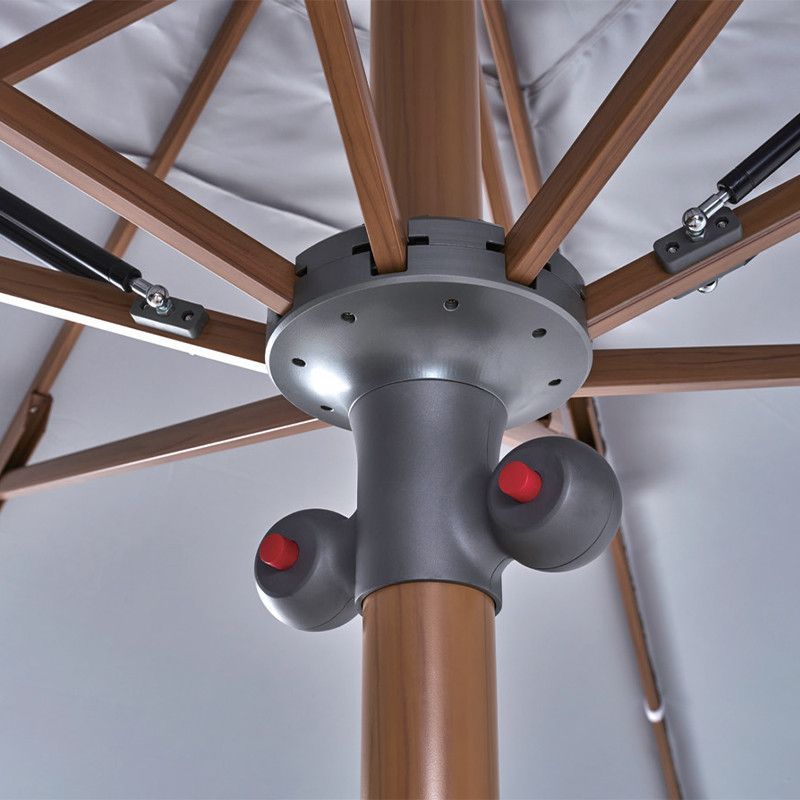
Cost-Effective Repairs to Prolong Use
Not all damage requires a full replacement. Many common issues can be fixed with simple, cost-effective repairs, saving you money and reducing waste.
DIY Fixes for Minor Damage
Many minor issues can be handled in-house with basic tools, extending the life of your umbrella without significant cost.
- Small Canopy Tears: For small rips or holes not along a major seam, an outdoor fabric patch kit can be an effective and nearly invisible fix. Make sure to clean the area thoroughly before applying the patch for a strong bond.
- Frame Scratches: Minor scratches on an aluminum or steel frame are more than just cosmetic; they can expose the metal to moisture and lead to corrosion. Gently sand the area and apply a small amount of matching outdoor or automotive touch-up paint to seal the metal.
- Wobbly Pole: If an umbrella pole is wobbly in its base, first check that all locking screws on the base are tight. If it still moves, you can wrap the section of the pole that sits in the base with a layer or two of waterproof tape to create a snugger fit. Small wooden or rubber shims can also be tapped into the gap for a temporary fix.
When to Seek Professional Repair or Replacement Parts
Some jobs are too large or complex for a DIY fix. Knowing when to call for help or order specific parts will save time and ensure a safe, lasting repair.
You should seek professional support or replacement parts for:
- Broken Ribs: While a single bent rib might be fixable, a snapped or severely bent rib compromises the umbrella's structural integrity and is a safety risk. High-quality commercial umbrellas are designed with replaceable ribs. Contacting the manufacturer or a dealer like Foris Hortus is the best way to get the correct part for your model.
- Malfunctioning Crank or Lift Mechanism: The internal gears and cords of a lift system are complex. If it's jammed, slipping, or the cord is broken, it's best to order a replacement assembly or seek professional repair rather than attempting a complex disassembly yourself.
- Severely Damaged or Faded Canopy: If the canopy has multiple large tears, is extremely brittle from sun damage, or has faded to the point of being unprofessional, a replacement canopy is the most cost-effective solution. Replacing the canopy is far cheaper than buying an entirely new umbrella and instantly revitalizes the look of your outdoor space.
Understanding Warranties and Support to Extend Commercial Umbrella Canopy Life
When you invest in a quality commercial umbrella, you are also investing in the manufacturer's warranty and customer support. Understanding these can save you significant time and money if a problem arises.
- Coverage Differences: Typically, manufacturers offer separate warranties for the frame and the canopy fabric. A frame warranty might last for 3-5 years and cover manufacturing defects in the pole, ribs, and housing. The canopy warranty, especially for premium fabrics like Sunbrella, can be much longer—up to 10 years—and specifically covers loss of color or strength from normal use.
- What's Not Covered: It is critical to understand what is excluded. Almost universally, warranties do not cover damage from wind, storms, or other acts of nature. Damage from misuse, improper installation, or accidents is also typically excluded. This is why following proper procedures for closing and storing your umbrella is so important.
- Making a Claim: To make a warranty claim, you will almost always need to provide proof of purchase from an authorized dealer. You will also need to provide a description and clear photographs of the damage. Contact the dealer or retailer where you originally purchased the umbrella to initiate the process. Keeping your receipts and records in a safe place is essential.
By choosing a reputable brand like Foris Hortus, you not only get a superior product but also the peace of mind that comes with robust warranty support and access to replacement parts for the life of your umbrella.
Frequently Asked Questions (FAQ)
1. How long should a commercial umbrella canopy last? The lifespan of a commercial umbrella canopy depends heavily on the material and the level of care it receives. An entry-level polyester canopy might last 1-2 seasons, while a mid-grade olefin canopy can last 3-5 years. A premium, solution-dyed acrylic canopy like those from Sunbrella can last 5-10 years or even longer with proper maintenance, including regular cleaning and the consistent use of a protective cover.
2. What is the best material for a commercial umbrella canopy to prevent fading? Solution-dyed acrylic, with Sunbrella being the most well-known brand, is the gold standard for fade resistance. In the solution-dyeing process, the color pigment is mixed into the liquid acrylic solution before the fiber is even created. This means the color is locked into the core of the fabric, making it incredibly resistant to fading from UV radiation, which is the primary cause of discoloration.
3. Can I leave my commercial umbrella open in the rain? Yes, commercial-grade umbrellas with water-repellent canopies are designed to handle rain. However, there are two important caveats. First, never close and store an umbrella when the canopy is wet, as this will trap moisture and lead to mildew. It must be allowed to air dry completely. Second, rain is often accompanied by wind. It is the wind, not the rain, that poses the biggest threat. If winds become strong, the umbrella should be closed immediately to prevent damage.
4. What wind speed can a commercial umbrella withstand? Wind resistance varies significantly based on the umbrella's size, design, frame material, and, most importantly, its base. Many high-quality commercial center-pole umbrellas are rated to withstand winds of 35-50 MPH when properly anchored. Cantilever umbrellas, due to their offset design, are generally rated for lower wind speeds, often in the 20-35 MPH range. However, these are manufacturer ratings under ideal conditions. The number one rule for all commercial umbrellas is: if in doubt, close it. Wind damage is almost never covered by warranty.
5. How do I anchor my umbrella properly to prevent it from flying away? Proper anchoring is critical for safety. The weight of your base should correspond to the size of your canopy; a common guideline is 10 lbs of base weight for every foot of canopy diameter for a freestanding umbrella. Always use a heavier base than you think you need, especially in windy areas or for large canopies. For maximum security in commercial settings, in-ground or surface-mount bases that are bolted directly into a deck or concrete footing are the safest and most stable options.
6. Is it more cost-effective to repair or replace my umbrella canopy? For minor issues like a single small tear or a stubborn stain, repair is almost always more cost-effective. However, if the canopy is severely faded, brittle to the touch, has multiple large tears, or suffers from widespread mildew, replacing the canopy is the better investment. A replacement canopy is significantly less expensive than a whole new umbrella and will instantly refresh the look and performance of your outdoor space, extending the life of your frame for many more years.
Conclusion
By investing wisely in high-quality commercial umbrellas and implementing robust maintenance practices, you can significantly extend the life of your canopy and ensure your outdoor spaces remain attractive, comfortable, and profitable for years to come. The initial choice of a durable, commercial-grade product from a trusted brand like Foris Hortus sets the foundation, but it is the ongoing commitment to care that truly maximizes your return on investment.
Prioritizing durability, regular cleaning, protection from the elements, and timely repairs will safeguard your investment and continue to enhance your customers' experience. We encourage you to use this guide to establish your own maintenance routine. Share these tips with your team to foster a culture of care for your outdoor furnishings. A beautiful, long-lasting umbrella is not just an expense; it is an asset that contributes directly to your brand's appeal and your business's success.