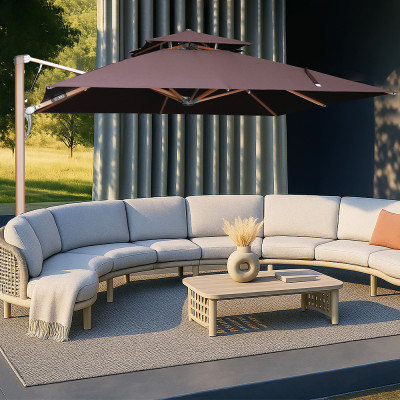
Freestanding vs. In-Ground: Your Ultimate Umbrella Mount Buying Guide
Choosing the right patio umbrella base is just as crucial as selecting the umbrella itself; it's the foundation that ensures stability, safety, and longevity for your outdoor shade solution. Without a proper base, even the most appealing umbrella can become a hazard, susceptible to tipping over in a light breeze. A secure mount is the unsung hero of your comfortable, shaded retreat.
This guide will walk you through the essential considerations when choosing between freestanding and in-ground umbrella mounts, helping you make an informed decision for your specific outdoor needs. Whether you're creating a versatile, multi-use space or a permanent, tranquil oasis, the right mount makes all the difference.
We'll explore various types of bases, factors influencing their necessary weight, and how different umbrella styles impact your mounting choices. With practical advice from our experts at Foris Hortus, we'll help you keep your outdoor haven both secure and stylish for years of enjoyment.
Key Takeaways
- Freestanding vs. In-Ground: Freestanding bases offer portability and flexibility, ideal for renters or those who frequently reconfigure their patio layout. In-ground mounts provide maximum, permanent stability, perfect for windy locations and a clean, unobtrusive look.
- Weight is Crucial: The size (canopy diameter) and type of your umbrella determine the minimum required base weight. A standard 7.5-foot umbrella might need a 50 lb base, while a large 11-foot cantilever model could require 200 lbs or more. Always consult manufacturer guidelines.
- Material and Durability: Base materials like cast iron, steel, concrete, and filled plastic/resin each have pros and cons regarding durability, weather resistance, and aesthetics. Choose a material that suits your climate and complements your outdoor decor.
- Compatibility is Key: Always measure your umbrella's pole diameter before purchasing a mount. The base's tube must provide a snug fit to prevent wobbling and ensure safety.
- Installation Surface Matters: The installation process varies significantly for different surfaces like concrete patios, wooden decks, or grassy areas. In-ground and surface-mount options may require professional installation for maximum security.
Understanding Freestanding vs In-Ground Umbrella Mounts: The Basics
The foundation of a safe and enjoyable outdoor experience under the shade of an umbrella is the mount that holds it in place. The two primary categories of umbrella mounts are freestanding and in-ground, each offering distinct advantages and best-use cases. Your choice will depend on your needs for portability, the permanence of your setup, wind conditions, and the overall aesthetic you wish to achieve for your patio, deck, or garden.
Freestanding Bases: Flexibility and Portability
Freestanding bases are the most common choice for residential use due to their ease of use and versatility. These are weighted stands that sit on top of a surface, allowing you to place your umbrella anywhere you need shade. They are not permanently fixed, which means you can easily move your shaded area as the sun moves or as your furniture arrangement changes. This flexibility is a significant benefit for dynamic outdoor spaces.
Types of Freestanding Bases
Freestanding bases come in a wide variety of styles and materials, designed to meet different functional and aesthetic needs.
- Fillable Bases (Plastic/Resin): These are among the most popular and affordable options. They are lightweight when empty, making them easy to position. You then fill them with water or sand to achieve the necessary weight. Sand is denser and provides more stability than water, making it a better choice for windy areas. Many feature a discreet plug for easy filling and draining.
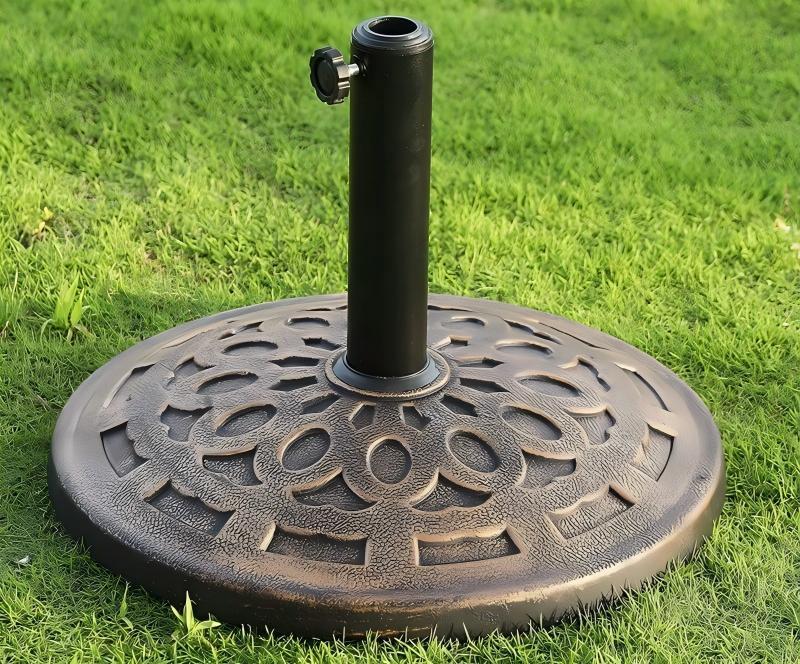
- Solid Bases (Concrete, Cast Iron, Granite): For maximum weight and stability in a compact form, solid bases are an excellent choice.
- Cast Iron: Offers classic, often decorative designs and significant weight. They are very durable, but it's important to choose one with a rust-resistant finish, especially in humid climates.
- Concrete: Provides substantial weight at a reasonable cost. Many are encased in a more aesthetic material like powder-coated steel or a resin shell.
- Polished Granite: These high-end bases offer superior weight and a sleek, modern look that adds a touch of luxury to your patio.
- Rolling Bases: For those who need to move their umbrella frequently to follow the sun or clear a space, bases with built-in wheels are a game-changer. They combine the weight of a freestanding base with the convenience of easy repositioning without heavy lifting.
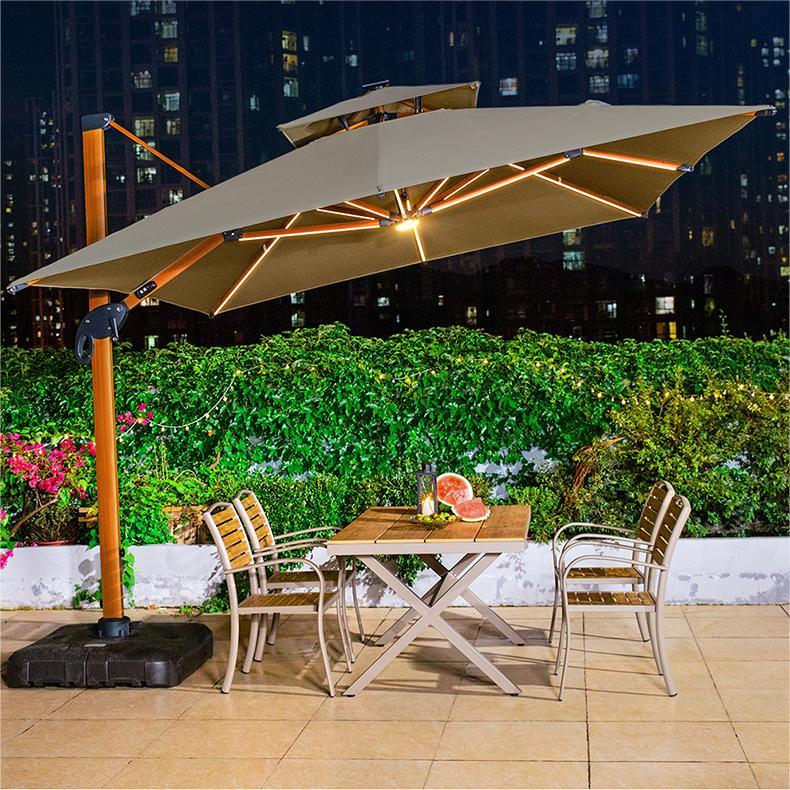
- Cantilever/Offset Bases: These are specifically designed for cantilever umbrellas. Because the umbrella pole is off to the side, these bases must be much heavier and larger to counterbalance the offset weight and leverage of the canopy. They often consist of a cross-bar frame that is weighed down with custom-fit weight segments (often fillable) or standard pavers.
When to Choose Freestanding Umbrella Mounts
Freestanding mounts are the ideal solution in several common scenarios:
- You need flexibility: If you enjoy rearranging your patio furniture, hosting parties, or need to move your shade from a dining area to a lounge spot, the portability of a freestanding base is invaluable.
- You are a renter: Renters who cannot make permanent alterations to a property will find freestanding bases to be the only viable option.
- Your surface doesn't allow for in-ground installation: If your outdoor space is a finished wooden deck, a rooftop terrace, or a paver patio where drilling is not desired, a freestanding base is the perfect fit.
- You use your umbrella with a table: When an umbrella is placed through a hole in a patio table, the table provides significant additional support, reducing the risk of tipping. While you still need a base for stability, you may be able to use a slightly lighter one than for a completely standalone setup.
In-Ground Mounts: Maximum Stability and Permanence
For a truly secure and sleek installation, in-ground mounts are the superior choice. These are permanently installed into the ground or a deck surface, providing the highest level of stability against wind and creating a minimal, trip-free footprint. This option is favored in commercial settings and for homeowners seeking a long-term, reliable solution.
Types of In-Ground Umbrella Mounts
In-ground and surface-mounted options require installation but provide a clean, permanent, and highly stable solution.
- In-Ground Sleeve (Concrete/Soil): This is the most robust option. A hole is dug, and a sleeve (often a metal or PVC pipe) is set into a concrete footing. The umbrella pole then slots into this sleeve. This provides incredible resistance to wind and is ideal for lawns, garden beds, or during the construction of a new patio. Some models, like the "Bazooka" style, feature a removable stem, leaving the installation virtually invisible when the umbrella is not in use.
- Surface Mount (Deck/Concrete): If you have an existing hard surface like a wooden deck or a concrete patio, a surface mount is an excellent choice. A heavy-duty steel plate is bolted directly onto the surface. For wood decks, this often involves bolting through the deck boards and into the joists below for maximum strength. For concrete, it requires drilling and using specific concrete anchors. This provides a permanent and very stable base without taking up the floor space that a freestanding model would.
- Railing/Side Mount: A specialized type designed for balconies or the edges of decks. These mounts clamp or bolt onto railings or the side of the deck structure, allowing the umbrella to be positioned over the edge, maximizing usable floor space.
When to Choose In-Ground Umbrella Mounts
Opting for an in-ground or surface-mounted solution is the best decision when:
- Stability is your top priority: If you live in an area prone to high winds, a permanent mount offers peace of mind that a freestanding base cannot match.
- You have a designated spot for your umbrella: If you know exactly where you want your shade and don't plan on moving the umbrella, a permanent installation is highly efficient.
- You want a clean, minimalist look: In-ground mounts eliminate the bulky footprint of a freestanding base, creating a cleaner, more spacious patio area with no tripping hazards.
- You have a very large or cantilever umbrella: The significant forces exerted by large canopies, especially offset ones, are best managed by a permanent mount anchored directly into a solid foundation.
Weight and Wind: Critical Factors for both Freestanding vs In-Ground Umbrella Mounts
Regardless of whether you choose a freestanding or in-ground mount, understanding the physics of weight, leverage, and aerodynamics is paramount to ensuring your umbrella remains a source of comfort, not a safety hazard. An improperly weighted umbrella can easily be lifted or tipped by a gust of wind, potentially causing damage to property or injury to people.
Calculating the Right Base Weight for Your Umbrella
For a freestanding base, the correct weight is non-negotiable. An underweight base is a recipe for disaster. While manufacturers provide specific recommendations, a widely accepted rule of thumb is to have a minimum of 10 pounds of base weight for every foot of the umbrella's canopy diameter.
However, this is just a starting point. Several factors will require you to choose an even heavier base:
- Through-Table vs. Freestanding: An umbrella placed through a sturdy patio table gains a significant amount of stability from the table itself. In this scenario, you can often use a lighter base. A freestanding umbrella, however, relies solely on its base for support and requires a much heavier option—often 20-30 lbs more than its through-table counterpart.
- Windy Conditions: If your location is prone to breezes or strong gusts, you should significantly increase the base weight. For windy areas, adding another 15-20 lbs or more to the baseline calculation is a wise safety precaution.
- High Elevation: At higher elevations, the air is thinner, but wind speeds can be greater. It is recommended to add extra weight to your base in these environments.
Here is a general guide for minimum base weights for standard, center-pole umbrellas. Always err on the side of a heavier base for safety.
| Umbrella Canopy Size (Diameter) | Minimum Weight (Through-Table) | Minimum Weight (Freestanding) | Recommended for Windy Areas |
|---|---|---|---|
| Up to 7.5 ft | 30 lbs (14 kg) | 50 lbs (23 kg) | 75+ lbs (34+ kg) |
| 8 to 9 ft | 50 lbs (23 kg) | 75 lbs (34 kg) | 90+ lbs (41+ kg) |
| 10 to 11 ft | 75 lbs (34 kg) | 90 lbs (41 kg) | 125+ lbs (57+ kg) |
| 12 ft and larger | 90+ lbs (41+ kg) | 125+ lbs (57+ kg) | Permanent Mount Recommended |
Special Considerations for Cantilever Umbrellas
Cantilever (or offset) umbrellas are a different beast entirely. Because the canopy's weight is not directly over the pole and base, it creates a significant amount of leverage. This means they are inherently less stable and far more susceptible to wind. A center-pole umbrella is like a balanced pencil; a cantilever umbrella is like holding a heavy sign at arm's length.
For this reason, cantilever umbrellas require exponentially heavier bases. The basic weight calculations do not apply.
- Extreme Weight is Necessary: A 10-foot cantilever umbrella might need a base weighing 180-200 lbs, while larger models could require 400 lbs or more to be safe.
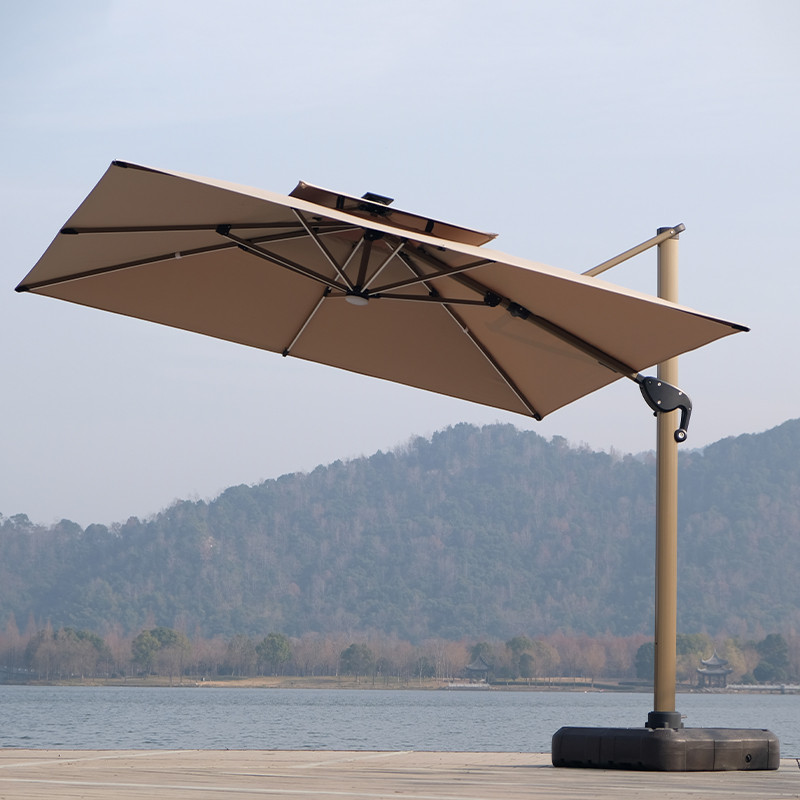
- Specialized Bases: Most cantilever umbrellas are sold with a cross-style base. This base itself is not heavy; it is designed to be weighed down with either custom-fit fillable weight segments or standard concrete pavers.
- Permanent Mounts are Ideal: Due to the immense forces at play, the best and safest option for a large cantilever umbrella is often a permanent in-ground or surface-mount installation. This anchors the umbrella to a secure foundation, providing maximum stability.
Always follow the manufacturer's specific weight and mounting requirements for your cantilever umbrella. Skimping on the base weight for these models is extremely dangerous.
Wind Conditions and Freestanding vs In-Ground Umbrella Mounts
The canopy of a patio umbrella acts like a sail or a parachute. Even a light breeze can exert a surprising amount of force on it.
- Freestanding Bases in Wind: Heavy freestanding bases can perform well in light to moderate winds. However, in strong or gusty conditions, they always carry a risk of tipping or even 'walking' across a patio. The tilting feature on many umbrellas dramatically increases the sail effect, so it's wise to keep the umbrella vertical in windy weather.
- In-Ground Mounts in Wind: This is where in-ground and surface mounts truly shine. By being physically anchored to the ground or deck structure, they offer superior resistance to wind forces. For commercial properties or residential homes in areas with frequent high winds, a permanent mount is the safest and most reliable choice.
- General Wind Safety: Regardless of your mount type, no residential patio umbrella is designed to be left open in high winds. Always close your umbrella when it's not in use, and especially when you see stormy or windy weather approaching. This simple habit is the single most important factor in preventing damage and ensuring a long life for your umbrella and mount from Foris Hortus.
Material Matters: Durability and Aesthetics in Freestanding vs In--Ground Umbrella Mounts
The material of your umbrella base does more than just provide weight; it's a key factor in the durability, longevity, and overall aesthetic of your outdoor setup. A base is exposed to the elements year-round—sun, rain, humidity—so choosing the right material for your climate and style is essential.
Common Materials for Umbrella Bases
Each material offers a unique balance of weight, durability, portability, and style.
Plastic/Resin (Fillable):
- Pros: Lightweight when empty, highly portable, affordable, and weather-resistant. Won't rust or stain your patio.
- Cons: Can be less durable than solid materials and may crack over time with UV exposure or in freezing temperatures. The aesthetic can be less premium than other options.
- Best for: Budget-conscious buyers, renters, and those who prioritize portability.
Concrete:
- Pros: Extremely heavy and stable for its size, affordable, and highly durable.
- Cons: Can be difficult to move. The raw concrete look isn't for everyone, though many are encased in a decorative shell.
- Best for: Situations where maximum weight and stability are needed and portability is not a concern. Great for windy areas.
Cast Iron:
- Pros: Very heavy and strong, providing excellent stability. Often features classic, ornate designs that add a decorative touch.
- Cons: Prone to rust if the protective coating is scratched. Can be brittle and may crack if dropped. It is also one of the more expensive options.
- Best for: Traditional and classic patio styles where the base is a visible decorative element.
Steel:
- Pros: Offers a great combination of strength and weight. Powder-coated steel is very durable and rust-resistant, offering a sleek, modern look.
- Cons: If the coating is compromised, it will rust. High-quality steel bases can be costly.
- Best for: Modern and contemporary outdoor spaces, and for heavy-duty applications like commercial use.
Granite:
- Pros: Provides premium weight and stability with a high-end, elegant appearance. It is extremely durable and resistant to weather.
- Cons: This is typically the most expensive option. Its significant weight makes it very difficult to move.
- Best for: Luxury patios where style and performance are top priorities.
Matching Your Mount to Your Outdoor Decor
Your umbrella base shouldn't be an afterthought; it's a part of your overall outdoor design. A well-chosen base can tie your furniture set together and enhance the ambiance of your space.
- For Wicker or Rattan Furniture: A base with a natural or textured finish can complement the woven look. A simple black or bronze base in cast iron or resin will also blend seamlessly. For a large wicker conversation set, a cantilever umbrella with a discreet base hidden under the furniture provides unobstructed shade.
- For Metal Furniture (Aluminum/Steel): To create a cohesive look, match the finish of your base to your furniture. A sleek, minimalist steel or granite base in black, gray, or silver complements modern metal furniture perfectly.
- For Wooden Furniture (Teak/Eucalyptus): A bronze-finished cast iron base can provide a beautiful, classic contrast to the warm tones of the wood. Alternatively, some bases come with wooden covers that can match your set.
- Creating Contrast: Don't be afraid to use your umbrella base to add a pop of visual interest. A brightly colored umbrella paired with a neutral, unobtrusive base can become a focal point. Conversely, a highly decorative cast iron base can be a statement piece on its own.
Ultimately, at Foris Hortus, we believe the best base is one that safely supports your umbrella while harmonizing with the style you've worked hard to create in your outdoor retreat.
Installation and Compatibility: Ensuring a Secure Fit for Your Freestanding vs In-Ground Umbrella Mount
You've chosen the perfect style and material, but the job isn't done. Proper installation and ensuring compatibility are the final, crucial steps to a safe and functional shade setup. A base that doesn't fit your umbrella pole correctly or isn't installed properly on your chosen surface can lead to instability and potential damage.
Checking Pole Diameter and Base Tube Compatibility
This is perhaps the most overlooked, yet most critical, compatibility check. An umbrella pole that is too loose in the base tube will wobble excessively, putting stress on both the pole and the base, and can easily be caught by the wind.
- Measure First: Before you buy a base, measure the diameter of your umbrella's pole. Most standard market umbrellas have poles with a diameter of 1.5 inches, but they can range from 1.375 inches up to 2.5 inches or more, especially for larger or commercial-grade models.
- Check Base Specifications: The product description for any umbrella base will list the range of pole diameters it can accommodate. The ideal fit is snug. The base's tube should be only slightly larger than the umbrella pole.
- Use Reducers and Tightening Knobs: Many bases come with plastic "reducer" rings or inserts to help accommodate smaller poles within a larger tube. Additionally, almost all bases have one or two tightening knobs (thumbscrews) on the tube. These must be tightened securely to press the pole against the side of the tube, preventing it from moving. Two knobs provide a more secure grip than one.
A secure fit between the pole and the base is your first line of defense against wobbling and instability.
Installation Nuances for Various Surfaces
The surface you plan to place your mount on dictates the best type of installation.
Paver or Concrete Patios:
- Freestanding: This is the easiest option. Simply place your weighted base on the level surface. Consider a base with rubber feet to prevent scratching the patio.
- Surface Mount: For a permanent solution, a surface mount offers incredible stability. This involves drilling into the concrete with a masonry bit and securing the mount's base plate with appropriate concrete anchors or bolts. This provides a very clean, trip-free installation.
- In-Ground (Pre-construction): If you're pouring a new patio, you can set a concrete sleeve mount directly into the fresh concrete for a perfectly integrated and extremely strong anchor point.
Wooden or Composite Decks:
- Freestanding: A viable option, but be mindful of the total weight. A very heavy base (especially solid concrete or granite) might exceed the weight-bearing capacity of your deck joists. Fillable bases are often a better choice here.
- Surface Mount: This is an excellent choice for decks. The mount's base plate should be bolted directly through the deck boards and into the structural joists below for maximum security. Simply screwing it into the decking planks is not sufficient and will fail under stress.
- Side/Railing Mount: Ideal for maximizing space on smaller decks or balconies. These bolt to the side fascia or clamp securely onto the railings, positioning the umbrella without taking up valuable floor space.
Grass or Soil:
- Freestanding: Placing a freestanding base on soft ground is generally not recommended. The base can settle unevenly, causing the umbrella to lean and become unstable.
- In-Ground Sleeve: This is the only truly safe and stable option for a lawn or garden installation. This involves digging a hole (typically 1-2 feet deep), placing the sleeve, and filling the hole with concrete to create a solid, permanent footing. This ensures your umbrella stays perfectly vertical and secure.
Professional installation may be required for some surface and in-ground mounts, but the resulting stability and peace of mind are often worth the investment.
Maintaining Your Choice of Freestanding vs In-Ground Umbrella Mounts
Purchasing the right umbrella mount is an investment in your outdoor comfort and safety. To protect that investment and ensure it provides reliable shade for years to come, regular maintenance and proper care are essential. Neglecting your mount can lead to rust, degradation, and a loss of stability over time.
Seasonal Care and Storage
Your local climate dictates the level of seasonal care required. In areas with harsh winters, preparing your umbrella and mount for the off-season is crucial.
- Cleaning: At the end of the season (and periodically throughout the year), clean your base thoroughly. Use mild soap and water to remove dirt, pollen, bird droppings, and any other grime. For metal bases, this helps prevent contaminants from breaking down the protective finish.
- Draining Fillable Bases: If you have a water-filled base, it is absolutely essential to drain it completely before freezing temperatures arrive. Water expands when it freezes, and this expansion will easily crack the plastic or resin of the base, rendering it useless. If you used sand, you can leave it, but the base will be very heavy to move.
- Inspection: Before storing, inspect the entire mount. Look for cracks in resin, chips in the paint or powder coating on metal bases, and check that all screws and knobs are tight and functional.
- Storage: If possible, store your freestanding base in a dry, sheltered location like a garage or shed. This protects it from winter moisture and freeze-thaw cycles that can cause damage. If you must leave it outside, consider covering it with a waterproof cover. For in-ground mounts, ensure the cap (if it has one) is securely in place to prevent water and debris from collecting in the sleeve.
Ensuring Long-Term Stability and Safety
Ongoing vigilance is key to ensuring your mount remains a safe anchor for your umbrella.
- Regular Tightening: Periodically check and tighten the knobs that secure the umbrella pole in the base tube. Over time, vibrations from the wind can cause them to loosen.
- Check for Wobbling: A little bit of play is normal, but if your umbrella starts to wobble excessively, investigate the cause immediately. It could be a loose pole screw, an uneven surface, or a sign that the base itself has become compromised.
- Rust Prevention and Treatment: For cast iron and steel bases, the protective coating is key to preventing rust. If you notice a chip or scratch, address it promptly. Lightly sand the small area to remove any surface rust, clean it, and then apply a matching rust-resistant spray paint to seal the metal from moisture.
- Check In-Ground Footings: For in-ground mounts set in concrete, periodically check that the ground and concrete footing have not shifted or cracked, which could compromise the stability of the mount.
A few minutes of maintenance each season can dramatically extend the life of your Foris Hortus umbrella mount, ensuring every sunny day is a safe and shady one.
Frequently Asked Questions (FAQ)
1. Is a heavier umbrella base always better? Generally, yes. When it comes to freestanding bases, it's almost impossible to have a base that is "too heavy." A heavier base provides greater stability and a larger margin of safety, especially in breezy conditions. Always choose a base that meets or, ideally, exceeds the minimum weight recommended for your umbrella's size.
2. Can I use a freestanding base for a large cantilever umbrella? Yes, but it must be a base specifically designed for cantilever models. These are significantly heavier (often 200-400 lbs or more) and have a much larger footprint to counteract the offset leverage of the umbrella. Never use a standard center-pole umbrella base for a cantilever model; it will fail immediately.
3. My fillable base doesn't seem heavy enough with water. What can I do? If water isn't providing enough weight, the best solution is to empty it and refill the base with sand. Sand is much denser than water and will significantly increase the final weight and stability of the base. For even more weight, you can use a mix of sand and small gravel.
4. How do I stop my cast iron base from leaving rust stains on my patio? The best defense is prevention. Ensure the base has a durable powder-coat or enamel finish. To add a layer of protection, you can apply a clear sealant spray suitable for metal. Placing small rubber or felt feet on the bottom of the base can also help by lifting it slightly off the surface and preventing moisture from being trapped underneath.
5. Do I still need a base if my umbrella goes through a patio table? Absolutely. While the table adds a great deal of lateral support, it does not anchor the umbrella. The base is still required to provide the foundational weight to keep the entire assembly (umbrella and table) from tipping over in a gust of wind. You may be able to use a slightly lighter base than for a fully freestanding setup, but it is still a non-negotiable safety component.
Conclusion
Ultimately, the decision between freestanding vs in-ground umbrella mounts hinges on a balance of your stability needs, desired flexibility, environmental conditions, and aesthetic preferences. A freestanding base offers wonderful portability for dynamic spaces, while an in-ground or surface mount provides unmatched security and a clean, minimalist footprint for a permanent setup.
By carefully considering the factors we’ve discussed—from calculating the proper weight for your specific umbrella and wind conditions to matching the material with your decor—you can confidently choose the ideal umbrella mount. This choice will anchor your outdoor living area, providing lasting shade, safety, and enjoyment.
Invest wisely in your umbrella’s foundation. At Foris Hortus, we know that a strong, reliable mount is the key to truly anchoring your outdoor experience for many years to come. We encourage you to share this guide with friends and family to help them create their own perfect, shaded oasis.