Commercial Outdoor Umbrella Types: A Buyer's Guide to Durable Features for Cafes & Small Business Patios
As a business owner, you understand the paramount importance of creating an inviting and comfortable outdoor space for your customers. A well-chosen commercial outdoor umbrella is not merely about providing shade; it's a strategic investment that can significantly boost revenue, enhance customer satisfaction, and elevate your brand's aesthetic. Here at Foris Hortus, we specialize in helping businesses like yours transform their outdoor areas into profitable and welcoming extensions of their brand.
Unlike the umbrellas you might find for a residential backyard, commercial outdoor umbrellas are meticulously engineered for the rigorous demands of high-traffic environments such as cafes, restaurant patios, and hotel pool sides. We are talking about superior durable features, exceptionally robust construction, and premium materials all built to withstand constant daily use and the most challenging weather conditions. This comprehensive guide will walk you through the essential process of selecting the best Commercial Outdoor Umbrella Types, with a laser focus on the Durable Features for Cafe & Small Business Patios that ensure a long-lasting and valuable investment.
Key Takeaways
- Commercial vs. Residential: Commercial umbrellas are engineered with superior materials like anodized aluminum frames, marine-grade fabrics (e.g., Sunbrella), and heavier bases for high-traffic, all-weather use, unlike their residential counterparts.
- Main Types & Uses: The two primary types are Market Umbrellas, the classic choice for through-table shade, and Cantilever (or offset) Umbrellas, which offer versatile, unobstructed shade perfect for lounge areas or flexible seating arrangements.
- Durability is Non-Negotiable: Key durable features to look for include UV and water-resistant, solution-dyed fabrics to prevent fading and mold; strong, corrosion-resistant frames made of aluminum or stainless steel; and flexible fiberglass ribs that can bend without breaking in the wind.
- Stability is Safety: The base is as crucial as the umbrella itself. A heavy, properly weighted base (freestanding, through-table, or permanent mount) is essential for safety, preventing the umbrella from tipping over in windy conditions.
- Beyond the Shade: Modern commercial umbrellas can be a powerful branding tool with custom logos and colors. Accessories like integrated LED lighting and heating systems can extend your patio's usability into the evening and cooler seasons, maximizing your return on investment.
Understanding Commercial Outdoor Umbrella Types: Durable Features for Cafe & Small Business Patios
Choosing the right umbrella starts with understanding the fundamental designs available and how their specific characteristics serve different commercial needs. The two most prominent categories in the commercial market are the traditional center-pole market umbrella and the modern offset cantilever umbrella. Each offers distinct advantages in terms of footprint, flexibility, and aesthetic appeal, and selecting the right one depends entirely on your space, seating arrangement, and desired customer experience.
Market Umbrellas: The Timeless Choice for Commercial Outdoor Spaces
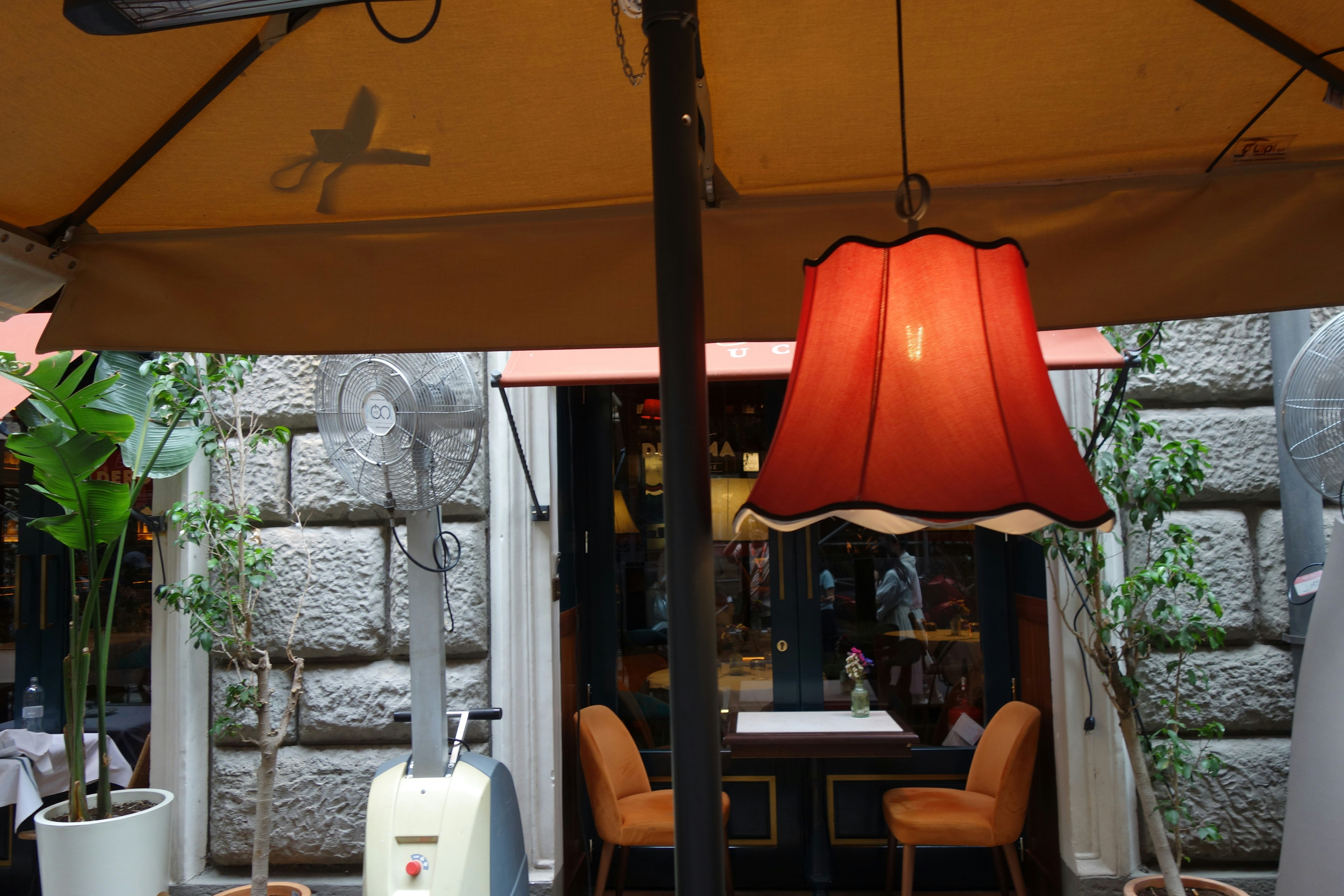
The market umbrella is arguably the most recognizable style, characterized by a straight pole extending from a base through the center of the canopy. This classic, symmetrical design has been a staple in outdoor cafes, bistros, and restaurant patios for centuries, and for good reason. Its straightforward structure provides targeted shade, making it the ideal choice for dining setups where the umbrella pole can be secured through a hole in the center of a table. This integration creates a cohesive and stable unit, offering both shade and a sense of place for diners. The clean lines and traditional silhouette of a market umbrella can complement almost any architectural style, from rustic and traditional to sleek and modern, making it a versatile aesthetic choice for any brand.
What Makes a Market Umbrella Durable for Your Patio?
A commercial-grade market umbrella's durability goes far beyond its basic appearance. The true strength lies in the materials and engineering designed to withstand the rigors of a commercial environment. The central pole, the backbone of the umbrella, should be crafted from commercial-quality materials. Look for thick-gauge, rust-proof aluminum, which provides an excellent combination of strength and lightweight maneuverability. Some premium options, like those we recommend at Foris Hortus, use anodized aluminum, which has an extra protective layer to resist corrosion, scratches, and wear.
The canopy's support system is equally critical. While aluminum ribs are common, heavy-duty market umbrellas increasingly feature fiberglass ribs. Fiberglass offers superior flexibility, allowing the ribs to bend under high wind pressure without snapping, which is a common failure point in lesser-quality umbrellas. The canopy fabric itself must be a high-performance, solution-dyed material. This means the color pigment is added to the fiber's liquid state, making the color integral to the fabric and exceptionally resistant to fading from UV exposure. These fabrics are also treated to be water, mold, and mildew resistant, ensuring they remain clean and appealing through seasons of use.
Key Considerations for Market Umbrella Placement in Commercial Outdoor Settings
Effective placement of market umbrellas is crucial for maximizing shade, ensuring customer comfort, and maintaining an efficient traffic flow on your patio. When used with dining tables, the umbrella should be large enough to shade all the diners comfortably throughout the day. A general rule of thumb is to select an umbrella canopy that extends at least two feet beyond the edge of your table on all sides.
For patios with multiple tables, spacing is key. You must ensure there is enough clearance between open umbrellas to allow both patrons and staff to move around freely and safely. Measure your patio and draw a layout to scale to visualize the placement of tables and umbrellas, accounting for pathways and service routes. Also, consider the movement of the sun. The ideal placement provides shade during the peak sun hours of your business operations. While market umbrellas are less adjustable than other types, their strategic placement can create a consistently comfortable and shaded environment for your guests.
Cantilever Umbrellas: Modern Shade Solutions with Durable Features for Cafe & Small Business Patios
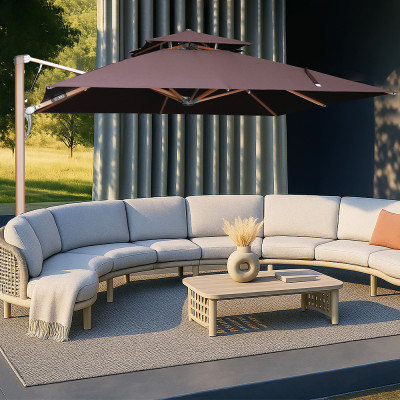
Cantilever umbrellas, also known as offset or side-post umbrellas, represent a more modern approach to outdoor shade. Unlike market umbrellas, the support pole is positioned to the side, with an articulated arm supporting the canopy from above. This ingenious design frees up the space directly beneath the canopy, eliminating the central pole that can sometimes obstruct views and conversations. This makes them an incredibly versatile solution for a variety of commercial seating arrangements, from lounge areas with sofas and coffee tables to flexible dining spaces where you might need to move tables around. Their sophisticated and often dramatic appearance adds a touch of luxury and modern design to any cafe or small business patio.
Offset Design Benefits for Maximizing Patio Space
The single greatest advantage of a cantilever umbrella is its space-maximizing capability. By removing the central pole, you unlock the full potential of your shaded area. You can place a large dining table, a cluster of armchairs, or even a set of chaise lounges directly underneath without any physical barrier. This flexibility is invaluable for businesses that need to reconfigure their outdoor seating to accommodate different group sizes or events. For a small cafe patio, a single large cantilever umbrella can often provide more functional shade than several smaller market umbrellas, creating a more open and inviting atmosphere. The unobstructed space allows for easier movement for both guests and staff, improving the overall experience and operational efficiency.
Durable Features: Tilting and Rotational Capabilities for Optimal Shade
Commercial-grade cantilever umbrellas are not just about design; they are packed with durable features that provide unparalleled functionality. High-quality models are engineered with robust tilting and rotational mechanisms to provide dynamic shade control. Many cantilever umbrellas offer 360-degree rotation, allowing you to swing the canopy as the sun moves across the sky, keeping different areas of your patio shaded throughout the day with a single unit.
Furthermore, advanced tilting functions allow you to angle the canopy to block low-angle morning or afternoon sun. The durability of these mechanisms is critical. Look for models with easy-to-use-yet-robust crank lifts, stainless steel components in the joints, and heavy-duty locking systems that hold the canopy firmly in place once adjusted. These features, built into a heavy-duty aluminum or steel frame, ensure that the umbrella is not only flexible but also stable and safe, even in breezy conditions. Investing in a cantilever umbrella from a reputable brand like Foris Hortus ensures these complex moving parts are built to last.
Essential Durable Features for All Commercial Outdoor Umbrella Types
Regardless of whether you choose a market or cantilever style, the longevity and performance of your commercial umbrella boil down to a core set of durable features. These elements are the difference between an umbrella that lasts a single season and one that serves as a reliable asset for your business for years to come. From the fabric that shields your customers to the frame that withstands the elements, every component matters.
Superior Fabrics: Ensuring Longevity of Commercial Outdoor Umbrella Types
The canopy is the most visible and one of the most critical components of an umbrella. It's constantly exposed to sun, rain, and wind. For commercial applications, settling for standard polyester is a false economy. Superior, marine-grade fabrics are essential for ensuring a long and vibrant life.
UV and Fade Resistance for Enduring Vibrancy
Constant exposure to the sun's ultraviolet rays will cause inferior fabrics to fade quickly, looking old and worn in a matter of months. To maintain your brand's pristine image, you must choose a fabric with exceptional UV and fade resistance. The gold standard in the industry is solution-dyed acrylic, such as Sunbrella or other marine-grade fabrics. During the solution-dyeing process, the color pigment is mixed into the acrylic fibers while they are still in a liquid state. This makes the color an integral part of the fiber itself, rather than a surface dye that can be bleached by the sun. These fabrics often come with extensive warranties against fading, guaranteeing a vibrant appearance for years and offering significant UPF (Ultraviolet Protection Factor) ratings to keep your patrons safe from harmful rays.
Water, Mold, and Mildew Resistance: Crucial for Cafe Patios
An outdoor umbrella in a commercial setting will inevitably get wet. Fabrics that aren't properly treated can become a breeding ground for mold and mildew, leading to unsightly stains and unpleasant odors, which are unacceptable in a dining environment. High-performance commercial umbrella fabrics are treated with a special finish that encourages water to bead up and roll off, rather than soaking in. This not only helps the umbrella dry faster but also prevents the damp conditions that allow mold and mildew to grow. This feature is crucial for maintaining a clean, hygienic, and appealing atmosphere for your cafe or restaurant guests, ensuring that a sudden rain shower doesn't put your patio out of commission for hours.
Robust Frames and Components: The Backbone of Durable Commercial Outdoor Umbrella Types
The frame is the skeleton of your umbrella; it provides the structure, strength, and stability needed to perform reliably day after day. In a high-traffic commercial setting, where umbrellas are opened, closed, and exposed to weather constantly, a robust frame is non-negotiable.
Anodized Aluminum and Marine-Grade Stainless Steel for Commercial Strength
For umbrella frames, the material choice is critical. While wood can offer a classic look, it requires significant maintenance and can rot or warp over time. For this reason, metal frames are the commercial standard. The best choice is typically heavy-gauge aluminum for its excellent strength-to-weight ratio and natural resistance to rust. For superior durability, look for anodized or powder-coated aluminum. Anodizing creates a hard, protective oxide layer that is integrated with the metal, offering outstanding resistance to corrosion, abrasion, and chipping. In premium models, especially in the moving parts and hardware of cantilever umbrellas, you will often find marine-grade stainless steel, which offers maximum strength and corrosion resistance, particularly in coastal areas with salt in the air.
Fiberglass Ribs: Flexibility and Wind Resistance
The ribs that support the canopy are one of the most common points of failure in an umbrella, especially in windy conditions. Traditional aluminum ribs, while strong, are rigid and can bend or snap under a strong gust. This is where fiberglass ribs offer a significant advantage. Fiberglass is incredibly strong yet flexible. When a gust of wind hits the canopy, fiberglass ribs can bend and flex to absorb the impact, returning to their original shape once the pressure subsides. This resilience drastically reduces the risk of damage and makes umbrellas with fiberglass ribs a much safer and more durable choice for windy locations.
Advanced Lift Mechanisms and Wind Vents
How you open and close the umbrella might seem like a minor detail, but in a commercial setting, it's a matter of operational efficiency and safety. Commercial umbrellas often feature heavy-duty lift mechanisms. Manual pulley systems are simple and reliable, while crank lifts offer easier operation for large, heavy canopies.
One of the most important safety and durability features on any commercial umbrella is a wind vent. Found near the top of the canopy, these vents are overlapping flaps of fabric that allow air pressure to escape. When a gust of wind gets caught under the canopy, a vent gives that air a pathway to flow through, rather than pushing the entire umbrella upwards. This greatly increases stability and prevents the umbrella from being lifted out of its base or damaged. Many commercial umbrellas feature double or even triple wind vents for maximum stability in breezy conditions.
Selecting the Right Size and Base for Your Commercial Outdoor Umbrella Types
Once you've decided on a style and confirmed the durable features, the next critical step is selecting the appropriate size and, just as importantly, the right base. These two elements work in tandem to provide effective shade and, crucially, ensure the safety and stability of your investment. An undersized umbrella offers inadequate comfort, while an undersized base creates a serious safety hazard.
Sizing Your Commercial Outdoor Umbrella for Optimal Coverage of Cafe & Small Business Patios
Getting the size right is a balance between providing ample shade and fitting within the constraints of your patio. The goal is to shade your patrons comfortably during peak sun hours. A widely accepted guideline is to choose an umbrella canopy that is about four to five feet wider than the area you want to shade. For example, a 4-foot round dining table needs at least a 9-foot umbrella to ensure all guests are shaded.
To help you visualize, consider the following guide:
| Table Size / Area to Cover | Recommended Round Umbrella Diameter | Recommended Square Umbrella Size |
|---|---|---|
| 30" - 36" Bistro or Cafe Table (2 seats) | 6 ft - 7.5 ft | 6 ft x 6 ft |
| 42" - 48" Round Table (4 seats) | 9 ft - 10 ft | 8 ft x 8 ft |
| 60" - 72" Rectangular Table (6 seats) | 11 ft - 13 ft | 10 ft x 10 ft |
| Lounge or Conversation Area | 10 ft+ (Cantilever recommended) | 10 ft x 10 ft+ (Cantilever recommended) |
Always measure your space carefully before purchasing. Consider the height of the umbrella as well, ensuring it's tall enough for guests to walk under comfortably without ducking, but not so tall that it offers a limited shade pattern on the ground.
Base Options: Securing Your Investment in Durable Commercial Outdoor Umbrella Types
The base is the anchor of your umbrella system; its importance cannot be overstated. A base that is too light for the umbrella it's supporting is a recipe for disaster. High winds can turn an improperly secured umbrella into a dangerous projectile, risking property damage and injury to your customers. The bigger and heavier the umbrella, the heavier its base must be.
Freestanding vs. Table Bases for Stability
Umbrella bases come in two primary configurations: through-table and freestanding. A through-table base is used when the umbrella pole goes through a hole in a patio table. The table itself adds a significant amount of stability, meaning the base itself doesn't have to be quite as heavy.
However, for a freestanding umbrella—one that stands on its own, such as a cantilever model or a market umbrella shading a lounge area—the base must be substantially heavier to act as the sole source of stability. A common mistake is using a lightweight base designed for through-table use in a freestanding application. As a general rule, we at Foris Hortus recommend a minimum base weight of 50 lbs for a 7.5-foot umbrella used through a table, and a minimum of 75-100 lbs for the same umbrella used freestanding. Large cantilever umbrellas often require bases weighing several hundred pounds.
Permanent and Movable Bases for Commercial Flexibility
For ultimate stability and security, especially in very windy areas, permanent or semi-permanent mounting options are an excellent choice. These include in-ground mounts, where a fitting is concreted into the patio, and surface mounts, where the base is bolted directly onto a solid deck or concrete slab. This eliminates any risk of the umbrella tipping and is a popular choice for hotels, resorts, and restaurants that have a fixed patio layout.
For businesses that require more flexibility, heavy-duty movable bases are the answer. These bases achieve their weight through materials like solid steel, granite, or fillable shells that can be loaded with sand or water. Many heavy-duty movable bases for commercial use come with built-in wheels or casters (often retractable) that allow staff to reposition the umbrellas with relative ease when needed, offering the best of both worlds: robust stability and operational flexibility.
Enhancing Your Commercial Outdoor Umbrella Types: Durable Features and Accessories for Cafe & Small Business Patios
A high-quality commercial umbrella does more than just provide shade; it's a versatile tool that can enhance your business's ambiance, branding, and profitability. By leveraging customization options and modern accessories, you can transform your umbrellas from simple patio fixtures into integral components of your customer experience and marketing strategy.
Customization and Branding for Your Commercial Outdoor Umbrella Types
Your outdoor umbrellas offer prime real estate for reinforcing your brand identity. Most commercial umbrella suppliers, including Foris Hortus, offer extensive customization options. You can choose canopy fabrics in your brand's specific colors to create a cohesive and professional look that extends from your indoor space to your outdoor patio.
Furthermore, you can have your company logo, name, or other messaging printed directly onto the umbrella canopy or valance. This turns every umbrella into a subtle-yet-effective billboard, increasing brand visibility and recognition. For cafes in busy pedestrian areas, a well-branded umbrella can attract the eyes of passersby and draw in new customers. It communicates a sense of professionalism and attention to detail that customers appreciate.
Integrated Lighting and Heating Options for All Commercial Outdoor Umbrella Types
Why let your patio business end when the sun goes down or a chill enters the air? Modern accessories can extend your outdoor service hours and even your operating season. Many commercial umbrellas are now designed to seamlessly integrate with lighting and heating solutions.
Integrated LED light systems can be built into the ribs or central hub of the umbrella, casting a warm and inviting glow over your tables after dark. This creates a wonderful ambiance for evening dining and eliminates the need for cumbersome string lights or table lamps. Similarly, specially designed electric infrared heaters can be mounted directly to the umbrella pole or frame. These heaters warm patrons directly, rather than the air around them, providing efficient and comfortable heat that can make a cool evening feel pleasant. By investing in these accessories, you can significantly increase the usable hours of your patio, maximizing your revenue potential.
Maintenance Tips for Prolonging the Life of Your Commercial Outdoor Umbrella Types
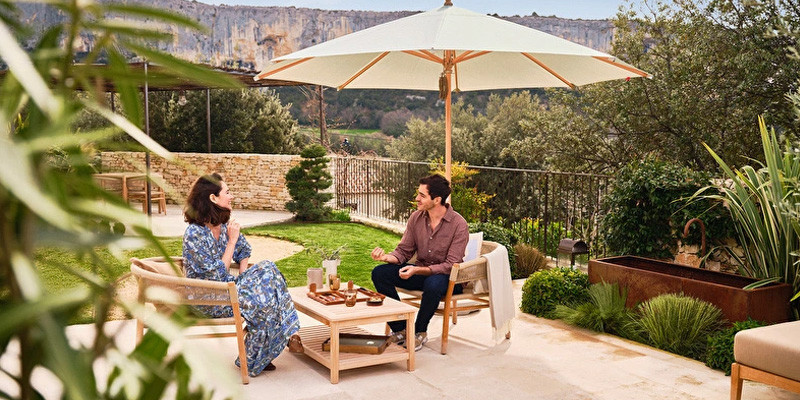
Even the most durable commercial umbrella requires some basic care and maintenance to ensure it has a long and functional life. Regular cleaning is essential to keep the canopy looking fresh and prevent buildup of dirt, pollen, or bird droppings. Most high-performance fabrics can be cleaned with a simple solution of mild soap and water.
It's crucial to always close umbrellas during high winds or severe weather to prevent damage. While they are built to be wind-resistant, no umbrella is completely wind-proof. Instruct your staff on the proper procedure for securing umbrellas at the end of the day or when bad weather is forecasted. During the off-season, if you close your patio, umbrellas should be thoroughly cleaned, dried, and stored in a dry, protected area. Using a protective cover can also guard against dirt and moisture during storage or periods of non-use. Following these simple steps will protect your investment and keep your umbrellas in service for many seasons.
Frequently Asked Questions (FAQ)
1. What is the most durable type of commercial umbrella frame? For commercial settings, an anodized or powder-coated aluminum frame offers the best combination of strength, light weight, and corrosion resistance. Anodizing creates an incredibly hard protective a layer that resists scratches and rust, making it ideal for high-traffic environments. For maximum wind resistance, look for frames that incorporate flexible fiberglass ribs, which can bend under stress without breaking.
2. How heavy should my commercial umbrella base be? The required base weight depends on the umbrella's size and whether it's used through a table or freestanding. A general guideline for freestanding umbrellas is to use a base weighing at least 10 times the umbrella's canopy diameter in feet (e.g., a 10-foot umbrella needs a 100 lb base). For through-table use, the table adds stability, so a 50-75 lb base is often sufficient for umbrellas up to 9 feet. Always follow the manufacturer's specific recommendations to ensure safety.
3. Can I leave my commercial umbrella up in the rain? Yes, commercial umbrellas with canopies made from water-resistant, marine-grade fabrics are designed to handle rain. These fabrics cause water to bead up and roll off. However, it is critical to close the umbrella during severe weather, especially high winds or heavy downpours accompanied by wind, as this can put extreme stress on the frame and base.
4. What's the difference between a single and double wind vent? A single wind vent is an opening at the top of the canopy that allows wind pressure to escape, increasing stability. A double wind vent has a second, tiered opening which provides an even greater area for air to flow through. This makes double-vented umbrellas significantly more stable in breezy and gusty conditions, making them a superior choice for open, windy locations.
5. How long will a commercial-grade umbrella last? The lifespan of a commercial umbrella depends on the quality of its materials, the conditions it's exposed to, and how well it is maintained. A high-quality umbrella from a reputable brand like Foris Hortus, featuring a solution-dyed acrylic canopy, an anodized aluminum frame, fiberglass ribs, and proper care, can be expected to last anywhere from 5 to 10 years or more, making it a sound long-term investment.
Conclusion
By carefully considering the various Commercial Outdoor Umbrella Types and their Durable Features, you can make an informed decision that will profoundly benefit your cafe or small business patio. Investing in a high-quality, commercial-grade umbrella is a direct investment in your customers' comfort, your brand's image, and your business's long-term success. It's about creating a durable, safe, and welcoming environment that encourages patrons to stay longer and return often.
Remember, the right commercial outdoor umbrella from a trusted partner like Foris Hortus provides more than just shade; it creates an experience. It serves as a visual landmark, enhances your brand, and ultimately contributes to a thriving, profitable outdoor space for many years to come. We encourage you to prioritize durability, functionality, and safety when selecting the perfect Commercial Outdoor Umbrella Types for your establishment. This thoughtful approach will ensure your outdoor space remains a valuable asset, season after season.