Which Supplier Do You Need? Evaluating ODM, OEM, CM with 5 Key Factors for Patio Umbrella Suppliers
As someone navigating the complexities of product development and manufacturing, you understand that choosing the right supplier is crucial for success. Whether you're a startup or an established brand, the decision to partner with an Original Equipment Manufacturer (OEM), an Original Design Manufacturer (ODM), or a Contract Manufacturer (CM) can profoundly impact your product's quality, branding, cost-effectiveness, and speed to market. This guide aims to demystify these manufacturing models, helping you make an informed decision for your patio umbrella business.
Selecting the ideal manufacturing partner for patio umbrellas requires careful consideration of various factors, from material quality to production capabilities. In this blog, I'll walk you through the key differences between OEM, ODM, and CM, and provide a framework for evaluating potential suppliers, ensuring you choose a partner that aligns with your business goals and helps you deliver exceptional products to your customers.
Key Takeaways
- OEM (Original Equipment Manufacturer): Best for brands with a unique design and a desire for full intellectual property control. You provide the design, and the manufacturer builds it. This model offers high customization but involves higher upfront costs and a longer time to market.
- ODM (Original Design Manufacturer): Ideal for businesses looking for a quick and cost-effective market entry. The supplier provides a pre-existing product design that you can brand as your own. This model has limited customization and you won't own the design's IP.
- CM (Contract Manufacturer): Suited for companies that have a complete product design and bill of materials (BOM), but need a third party to handle the production process. This model offers flexibility and scalability, with the client retaining full product ownership.
- Evaluating Suppliers: The choice between these models hinges on five key factors: design ownership (IP), customization level, cost structure, time to market, and quality control. For patio umbrellas, material quality is a critical component of this evaluation.
- Strategic Partnership: Regardless of the model, building a strong, communicative relationship with your supplier is paramount. A good partner like Foris Hortus acts as an extension of your team, ensuring quality and alignment with your brand's vision.
Understanding the Fundamentals: OEM, ODM, and CM with 5 Key Factors to Evaluate Patio Umbrella Suppliers: From Material Quality to OEM/ODM Capabilities
Choosing a manufacturing partner can feel like navigating a sea of acronyms. OEM, ODM, and CM each represent a distinct business model for outsourced production. Understanding their fundamental differences is the first step toward selecting a supplier that aligns with your budget, timeline, and brand vision. Choosing the wrong one can lead to wasted time, significant expenses, and frustration.
Original Equipment Manufacturer (OEM): Your Design, Their Production
What an OEM Does for Your Patio Umbrella Brand
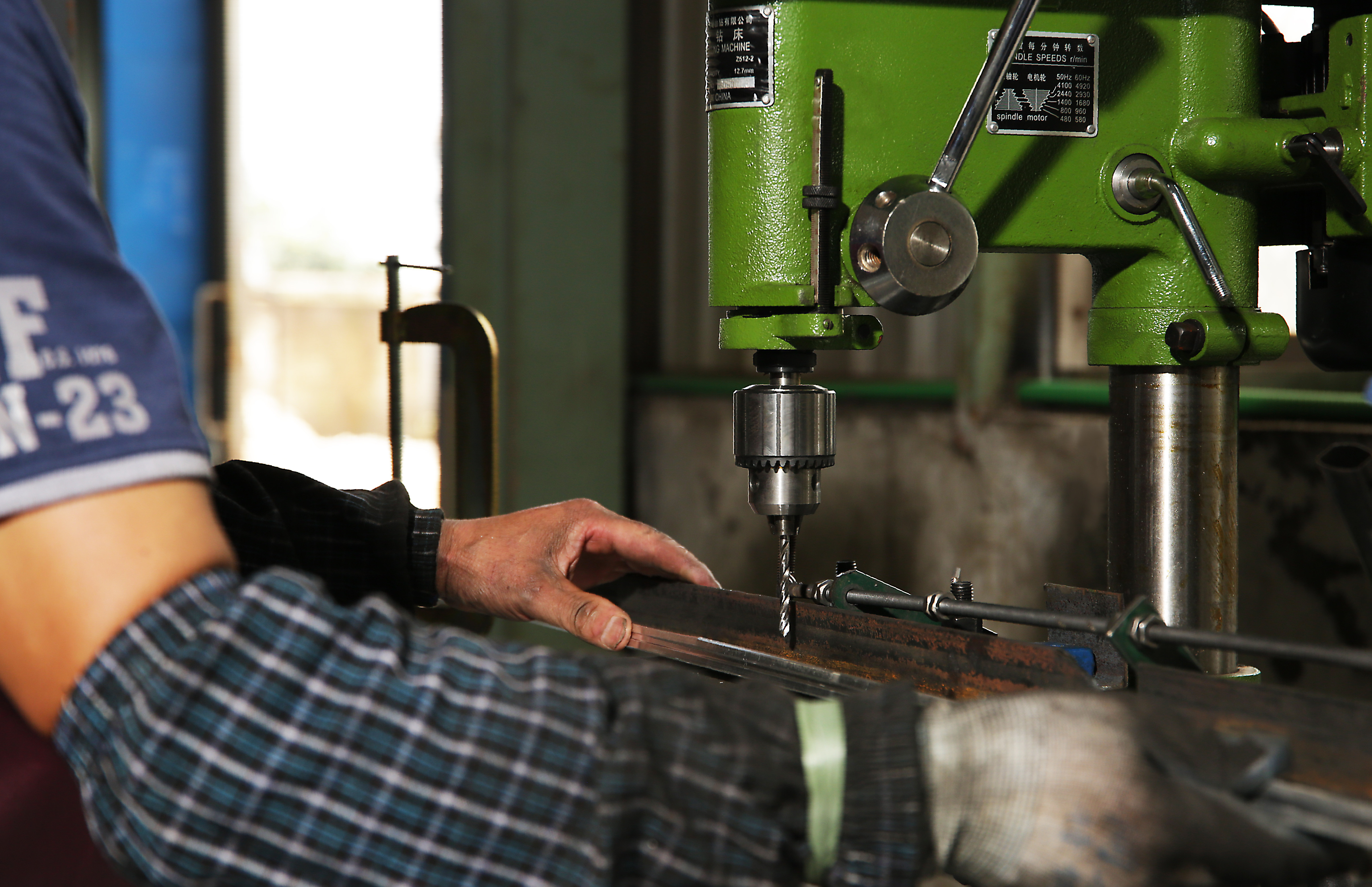
An Original Equipment Manufacturer (OEM) builds products based on designs and specifications that you, the client company, provide. Think of it as hiring a factory with specialized expertise to bring your unique patio umbrella vision to life. The OEM doesn't own the design; they are a manufacturing partner that uses their equipment, established supply chains, and category experience to produce your product. This model is common in the automotive and electronics industries, where a company like Ford might use parts from various OEMs to build a car. For your business, this means if you have a groundbreaking design for a cantilever umbrella, an OEM partner would be responsible for manufacturing it according to your exact plans.
Advantages and Disadvantages for Patio Umbrella Manufacturing
The primary advantage of the OEM model is the ability to create a truly unique and customized product, which helps your brand stand out. You retain control over the design and intellectual property, which is a significant long-term asset. Furthermore, OEMs often offer high-quality production and durability because they specialize in manufacturing specific types of products.
However, the OEM path has its challenges. It requires a significant upfront investment in research, development, and often custom tooling and molds, which can be expensive and time-consuming to create. This leads to a longer time to market compared to other models. There's also a risk of losing some control over the production process, which demands robust quality control checks from your side to prevent inconsistencies.
Table: OEM Pros and Cons
| Advantages | Disadvantages |
|---|---|
| Full Design Control & IP Ownership: Your unique design is protected. | Higher Upfront Costs: Requires investment in R&D and tooling. |
| High Customization: Create a product that is distinct in the market. | Longer Time to Market: Design, prototyping, and tooling take time. |
| Potentially Higher Quality: You set the quality standards. | Loss of Production Control: Requires diligent monitoring and QC. |
| Focus on Core Business: Outsource production to focus on design and marketing. | Risk of Technology Leakage: Core designs are shared with the manufacturer. |
Original Design Manufacturer (ODM): Their Design, Your Brand
Leveraging ODM for Your Patio Umbrella Line
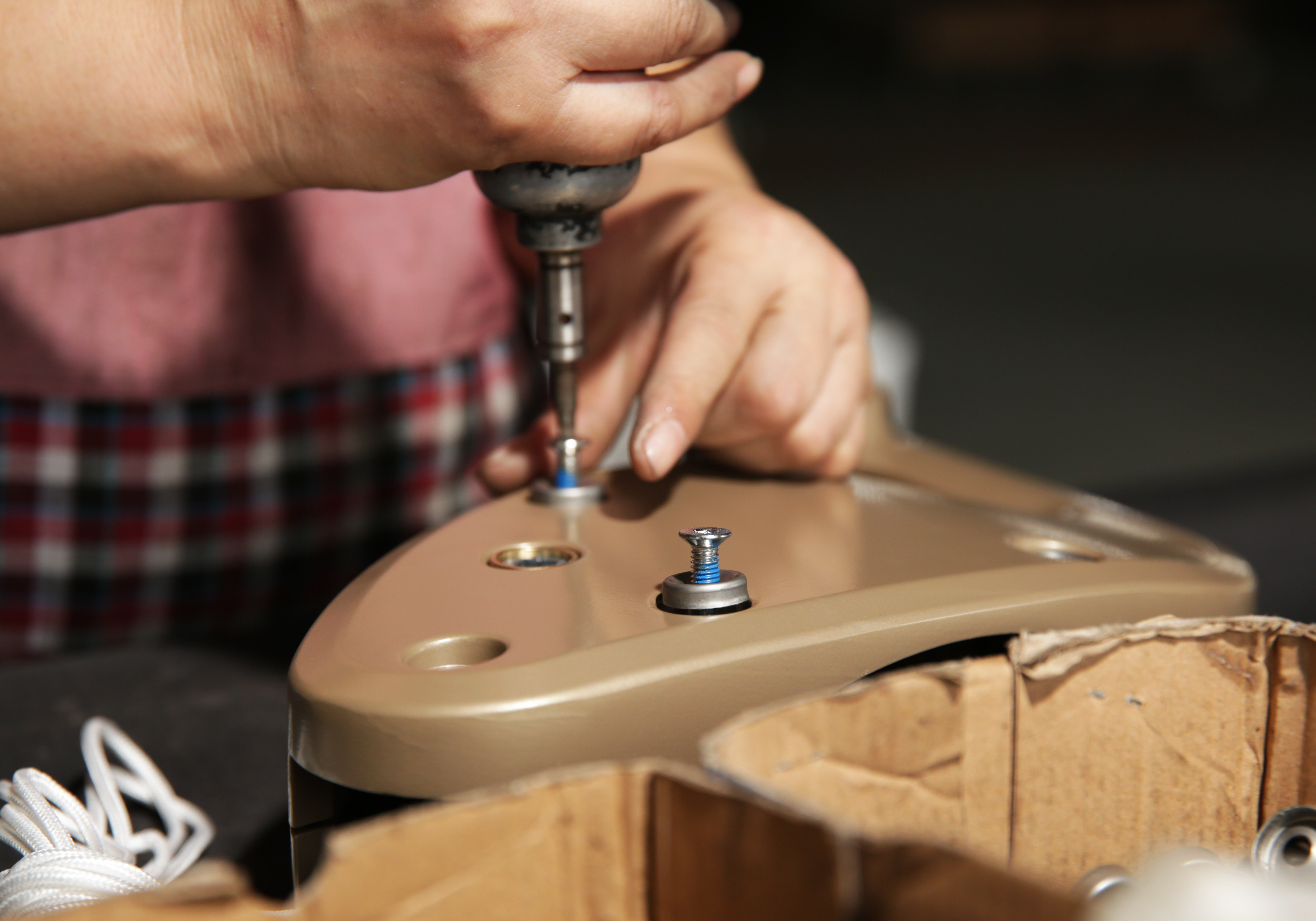
An Original Design Manufacturer (ODM) designs and produces products in-house, which other companies can then purchase and rebrand. This is often called private labeling. Imagine a supplier has already developed a line of high-quality patio umbrellas. With the ODM model, you can select one of their existing designs, add your logo and branding, and sell it as your own. This approach is incredibly popular on platforms like Alibaba and is a common strategy for businesses that want to enter a market quickly without the heavy lifting of product development.
Trade-offs to Consider with ODM Patio Umbrella Suppliers
The most significant benefit of an ODM is speed and cost-efficiency. Since the design, tooling, and supply chain are already in place, you can launch a product in a fraction of the time and cost required for an OEM project. This lowers the barrier to entry and reduces development risks.
The main drawback is a lack of differentiation and control. Your patio umbrella may look identical to competitors who use the same ODM supplier. Customization options are usually limited to colors, fabrics, or branding. Most importantly, you do not own the intellectual property of the product design; it belongs to the ODM. This can limit your brand's long-term value and create a dependency on the supplier.
Table: ODM Pros and Cons
| Advantages | Disadvantages |
|---|---|
| Fast Time to Market: Products are market-ready. | Limited Customization: Difficult to differentiate from competitors. |
| Lower Costs: No R&D or tooling investment needed. | No IP Ownership: The design belongs to the manufacturer. |
| Reduced Development Risk: The product is already tested and proven. | Dependency on Supplier: Your product line is tied to the ODM's offerings. |
| Access to Manufacturer Expertise: Leverage the ODM's design and market knowledge. | Potential Quality Issues: Quality control may vary. |
Contract Manufacturer (CM): Your Design, Their Expertise
The Role of CM in Your Patio Umbrella Production
A Contract Manufacturer (CM) is a firm that produces goods for another company based on the client's design and specifications. In this model, you provide the complete product design, bill of materials (BOM), and production process, and the CM acts as your factory for hire. Unlike OEMs, which often specialize in a product category, CMs are typically more versatile and can produce a wide array of products without having their own product lines. Essentially, they provide manufacturing as a service. For a patio umbrella business, you would approach a CM with a fully realized design, and they would handle the sourcing, assembly, and logistics.
Benefits and Challenges of CM Partnerships for Patio Umbrella Businesses
The CM model offers immense flexibility and scalability. You retain full ownership and control over your intellectual property and product design. CMs can be a cost-effective solution compared to building your own factory, as you leverage their existing infrastructure and expertise. This allows your company to focus on its core competencies like innovation and sales.
However, finding a reliable CM can be a challenge. Since you are outsourcing the entire production, you are heavily reliant on your partner's reliability and quality control. Poor communication can lead to production errors and delays. While you save on in-house manufacturing costs, the per-unit cost from a CM might be higher in the long run compared to scaling your own production. There's also a potential for IP risks if not protected by strong contractual agreements.
Table: CM Pros and Cons
| Advantages | Disadvantages |
|---|---|
| Full IP & Design Ownership: You own everything about your product. | High Reliance on Partner: Success depends heavily on the CM's reliability. |
| Scalability: Easily scale production up or down based on demand. | Potential for Communication Gaps: Requires strong project management. |
| Cost Savings: Lower overhead without investing in a factory. | Quality Control Challenges: Less direct oversight of the production line. |
| Access to Expertise: Leverage advanced manufacturing skills and technology. | IP Risks: Requires robust legal agreements to protect your designs. |
Key Differences in Design Ownership and Customization: 5 Key Factors to Evaluate Patio Umbrella Suppliers: From Material Quality to OEM/ODM Capabilities
The manufacturing model you choose directly impacts two of the most critical aspects of your product strategy: who owns the design and how much you can customize your product. These factors determine your brand's uniqueness and long-term competitive advantage.
Intellectual Property (IP) and Design Control for Your Patio Umbrellas
Intellectual Property (IP) refers to creations of the mind, such as inventions, literary and artistic works, designs, and symbols. In manufacturing, IP rights, especially patents and design rights, are crucial for protecting your innovations from being copied by competitors. The ownership of this IP varies significantly across the different manufacturing models.
Who Owns What: Safeguarding Your Patio Umbrella Innovations
- OEM and CM Models: In both OEM and CM arrangements, you, the customer, retain full ownership of the intellectual property. You provide the design, and the manufacturer is contractually obligated to produce it exclusively for you. This is the most secure option for protecting a unique or innovative patio umbrella design. Before sharing any sensitive information, it is essential to have a legally binding contract, such as a Non-Disclosure Agreement (NDA), to protect your ideas.
- ODM Model: With an ODM, the manufacturer owns the intellectual property of the base product design. You are essentially licensing their design to sell under your brand. This means the ODM can legally sell the same or a very similar patio umbrella design to your competitors. While this model speeds up market entry, it offers very little IP protection and can make it difficult to build a unique brand identity.
It is crucial to work with a business attorney to draft strong contracts that clearly define IP ownership, especially an "invention assignment" clause. This ensures that even if the manufacturer suggests improvements or modifications to your design, the ownership of those innovations legally transfers to you.
Customization Capabilities: Tailoring Your Patio Umbrella Products
Customization is key to meeting specific customer needs and differentiating your products in a crowded market. Modern consumers increasingly desire personalized goods, and the ability to offer tailored options can be a significant competitive advantage.
From Minor Tweaks to Full Product Development for Patio Umbrellas
The level of customization available depends heavily on your chosen manufacturing model.
- ODM Customization: An ODM offers the most limited customization. Typically, you can make minor changes such as selecting colors, choosing from a predefined list of fabrics, or adding your brand logo to the product and packaging. Extensive changes to the umbrella's structure, mechanism, or core features are generally not possible, as this would require the manufacturer to alter their existing design and tooling.
- OEM and CM Customization: These models offer nearly limitless customization possibilities. Since you are providing the design, you have complete control over every aspect of the patio umbrella, from its dimensions and mechanical functions to the specific materials and finishes used. This allows for true product innovation, whether you're developing a new tilt mechanism, a unique canopy shape, or integrating smart features. This approach supports a "configure-to-order" model, where customers can select from various options to build their ideal product.
Product Uniqueness and Differentiation Among Patio Umbrella Offerings
In a competitive market like outdoor furniture, product differentiation is vital. It's what makes your brand the preferred choice, prevents you from competing solely on price, and builds customer loyalty.
- OEM/CM for Maximum Uniqueness: If your goal is to launch a truly one-of-a-kind patio umbrella, the OEM or CM route is necessary. By developing a proprietary design, you create a product that no one else has, giving you a powerful market position. This is how brands build a reputation for innovation and superior design.
- Differentiation with ODM: While more challenging, it is still possible to differentiate an ODM product. The key lies in strategic branding, marketing, and a focus on aspects other than the core design. You can differentiate through:
- Superior Materials: Work with your ODM to use premium fabrics or frame materials that competitors using the same base design might not offer.
- Value-Added Features: Bundle the umbrella with a high-quality base, a protective cover, or other accessories.
- Strong Brand Story: Build a compelling brand narrative through marketing that resonates with your target audience.
- Exceptional Customer Service: Differentiate your business through an outstanding purchasing experience and post-sale support.
Even when working with an ODM, a collaborative approach can lead to a more refined product that better aligns with your brand and market needs.
Cost, Time to Market, and Quality Control: 5 Key Factors to Evaluate Patio Umbrella Suppliers: From Material Quality to OEM/ODM Capabilities
Beyond design and customization, the practical realities of cost, speed, and quality are where a manufacturing partnership truly succeeds or fails. Each model—OEM, ODM, and CM—presents a different balance of these critical business factors.
Cost and Investment: A Financial Look at Patio Umbrella Production
The financial implications of your choice of manufacturer are significant. Costs can be broken down into initial, upfront investments and long-term, per-unit costs.
Initial Costs vs. Long-Term Value for Patio Umbrella Projects
- ODM (Lowest Initial Cost): The ODM model has the lowest barrier to entry. Since the supplier has already covered the costs of research, design, and tooling, your initial investment is minimal, primarily focusing on inventory and branding. This is ideal for businesses with limited capital. However, the per-unit cost may be higher than a scaled OEM operation, and the lack of a unique product can limit long-term brand value.
- OEM/CM (Highest Initial Cost): These models require a substantial upfront investment. You are responsible for all R&D, prototyping, and tooling (molds) costs. This initial outlay is a long-term investment in creating a unique asset for your company. While the initial spend is high, successful OEM/CM partnerships often lead to a lower per-unit cost at scale, potentially yielding higher profit margins over the product's lifecycle. Long-term investments like these are meant to build the backbone of a business for future growth.
- Long-Term Value: The concept of long-term value creation involves optimizing a company's financial, social, and environmental worth over time. While ODM offers immediate market access, the OEM/CM path allows a company to build a defensible market position with unique products. This can lead to superior financial performance and a more resilient brand in the long run.
Table: Financial Snapshot of Manufacturing Models
| Financial Aspect | ODM | OEM/CM |
|---|---|---|
| Initial Investment | Low (product is pre-developed) | High (R&D, tooling, prototyping) |
| Per-Unit Cost | Generally fixed, may be higher | Can be lower at scale |
| Long-Term Value | Limited to brand equity | High (IP ownership, unique product) |
| Financial Risk | Lower initial risk | Higher initial risk, potential for higher reward |
Time to Market: Delivering Patio Umbrellas Swiftly
In a fast-paced market, getting your product to customers quickly can be a major competitive advantage. Delays in development mean delayed revenue and missed opportunities.
Accelerating Product Launch for Your Patio Umbrella Collection
- ODM (Fastest): The ODM model offers the quickest route to market. With pre-designed and often pre-certified products, the timeline from placing an order to having a market-ready product can be just a few weeks or months. This speed is ideal for capitalizing on current trends or for businesses that prioritize marketing and sales over product development.
- OEM/CM (Slowest): The OEM and CM routes have a significantly longer product development timeline. The process involves design, material sourcing, prototyping, testing, and tooling, which can take many months or even over a year before mass production can begin. While slower, this deliberate process allows for innovation and ensures the final product meets exact specifications.
Quality Control: Ensuring Excellence in Patio Umbrella Manufacturing
Regardless of the manufacturing model, the ultimate responsibility for product quality falls on your brand. Poor quality can damage your reputation and lead to costly returns.
Maintaining High Standards from Material Quality to Final Product
A robust quality control (QC) strategy is non-negotiable, especially when working with overseas suppliers.
- Define Clear Standards: Before production begins, provide your supplier with detailed, specific requirements for everything from materials and dimensions to stitching and packaging. Vague terms like "high quality" are not enough.
- Regular Inspections: Do not wait until the final product is finished to check for quality. Implement checks at various stages:
- Pre-production: Inspect raw materials and components.
- In-line: Check products as they move through the assembly line to catch issues early.
- Pre-shipment: Conduct a final inspection before the goods leave the factory.
- Establish a Quality Management System (QMS): A formal QMS should outline all processes, standards, and expectations. It's beneficial to work with manufacturers who are certified under international standards like ISO 9001, which demonstrates a commitment to quality management.
- Build a Strong Partnership: Open and consistent communication is key. Treat your supplier as a partner, not just a vendor. Regular check-ins and even on-site visits can help build trust and ensure everyone is aligned on quality expectations. Many companies find success by hiring a third-party inspection service to act as their "eyes and ears" on the factory floor.
Material and Fabric Quality: The Backbone of Durable Patio Umbrellas
For a product like a patio umbrella, the quality of the materials is paramount to its longevity and performance. The frame and canopy are constantly exposed to sun, rain, and wind, so durability is a key selling point.
Selecting UV-Resistant and Weatherproof Fabrics for Longevity
The fabric of the canopy is arguably the most critical component for customer satisfaction. UV radiation breaks down fabrics and dyes, leading to fading and eventual tearing.
- Top-Tier Fabrics: Solution-dyed acrylics (like those from Sunbrella or Outdura) are considered the gold standard. In this process, color pigment is added to the fiber before it's spun into yarn, making the color incredibly resistant to fading. These fabrics often block up to 98% of harmful UV rays and are resistant to water and mildew.
- Good Alternatives: Solution-dyed polyester and olefin are also excellent, durable choices. They offer strong UV resistance and are typically more affordable than acrylics. Basic polyester is the least durable option and will require UV-inhibitor treatments to last more than a season.
For the frame of a Commercial-Grade Patio Umbrella, materials must be robust and weather-resistant.
- Aluminum: Lightweight, rust-proof, and durable, aluminum is the most common material for umbrella frames. A powder-coated finish adds extra protection against scratches and corrosion.
- Stainless Steel: Offers a modern look with exceptional resistance to rust and corrosion, making it ideal for coastal areas. Marine-grade (316) stainless steel provides the best durability.
- Wood: Woods like teak are naturally resistant to moisture and insects due to their high oil content, offering a classic aesthetic.
- Wrought Iron: As the heaviest and most durable option, wrought iron frames are excellent for windy locations and can last for decades.
Ultimately, investing in high-quality materials will reduce long-term costs associated with returns and warranty claims and will build a brand reputation for durability.
Choosing the Right Fit for Your Business: Applying the 5 Key Factors to Evaluate Patio Umbrella Suppliers: From Material Quality to OEM/ODM Capabilities
The "best" manufacturing model doesn't exist in a vacuum; it depends entirely on your specific business goals, resources, and long-term vision. By thoughtfully assessing your own capabilities and needs, you can confidently select a partner that will set you up for success.
Assessing Your Business Goals and Resources for Patio Umbrella Manufacturing
Before you start contacting suppliers, take a candid look at your company's internal landscape. Your decision should be guided by a clear understanding of your strategy. Ask yourself the following questions:
- What is our primary business goal? Are you aiming to capture market share quickly with a price-competitive product, or are you building a premium brand known for innovation and unique design? Rapid growth might point toward ODM, while brand prestige often requires an OEM/CM approach.
- What are our financial resources? Be realistic about your budget. Do you have the capital for significant upfront investments in R&D and tooling (OEM/CM), or do you need a model with lower initial costs (ODM)?
- What are our in-house capabilities? Does your team include experienced product designers and engineers? If you have strong design expertise but no manufacturing facilities, an OEM or CM partner is a logical fit. If design is not your core competency, an ODM allows you to focus on marketing and sales.
- How important is product uniqueness? If creating a one-of-a-kind patio umbrella is central to your brand identity, you must retain control over the design and IP. This makes OEM or CM the only viable options.
- What is our tolerance for risk? The ODM model generally carries less financial risk upfront. The OEM/CM path involves higher investment and a longer timeline, which can be riskier but offers greater potential rewards.
When to Opt for OEM, ODM, or CM for Your Patio Umbrella Line
Based on your self-assessment, you can align your needs with the appropriate manufacturing model. Here’s a quick guide to help you decide:
Choose an ODM if:
- You want to get your patio umbrellas to market as quickly as possible.
- Your budget for initial product development is limited.
- You don't have a dedicated in-house design or engineering team.
- Your primary focus is on building a brand through marketing, not unique product features.
- You are comfortable with a product that may be similar to others on the market.
Choose an OEM if:
- You have a unique, innovative design for a patio umbrella that you want to protect.
- Owning your intellectual property is a top priority.
- You want full control over the product’s features, materials, and quality.
- You have the financial resources to invest in product development and tooling.
- You are building a brand where design and uniqueness are key differentiators.
Choose a CM if:
- You have a fully developed product design, including detailed specifications and a Bill of Materials (BOM).
- You have strong engineering and product management capabilities but lack manufacturing infrastructure.
- You want to maintain complete control over your design and IP while leveraging a partner’s production expertise and scalability.
- Flexibility to work across different product types is important to you.
Beyond the Acronyms: Building a Lasting Partnership with Patio Umbrella Suppliers
Whichever model you choose, remember that your supplier is more than just a vendor; they are a strategic partner in your business's success. A strong, long-term relationship is built on a foundation of trust, transparency, and open communication.
Here are some best practices for building a lasting partnership:
- Communicate Clearly and Regularly: Schedule frequent check-ins to discuss progress, challenges, and expectations. Misunderstandings are less likely when both parties are in sync.
- Pay on Time: Fulfilling your financial obligations promptly is crucial for building trust and becoming a "customer of choice."
- Treat Them as Partners: Involve your suppliers in your planning. Share your sales forecasts and long-term goals. Their insights can lead to better efficiency and innovation.
- Set Clear, Documented Agreements: A detailed contract that covers quality standards, delivery timelines, payment terms, and intellectual property protects both parties and avoids future disputes.
- Recognize Good Performance: Acknowledge and reward suppliers who consistently meet or exceed your expectations. This reinforces positive behavior and strengthens loyalty.
Ultimately, investing in your supplier relationship is an investment in the long-term health and resilience of your supply chain and your brand.
Other Important Considerations for Patio Umbrella Suppliers: Beyond the 5 Key Factors
While design, cost, and quality are paramount, several other operational factors can significantly impact the success of your partnership with a patio umbrella supplier. These considerations are crucial for ensuring a smooth supply chain and a strong, collaborative relationship.
Production Capacity and Lead Times for Seasonal Demands
The outdoor furniture market is highly seasonal, with sales typically peaking between March and June. This seasonality presents unique challenges for inventory and production management.
A key question to ask potential suppliers is whether they have the production capacity to handle your demand, especially during these peak months. A manufacturer's inability to scale production can lead to stockouts, missed sales opportunities, and frustrated customers.
- Lead Time: This is the time it takes from placing an order to receiving the finished product. For overseas manufacturers, this can range from a few days to several weeks. Be sure to factor in shipping and potential customs delays.
- Forecasting: Share your sales forecasts with your supplier. Giving them visibility into your long-term needs helps them plan their production schedules and material procurement, leading to a more reliable supply chain.
Certifications and Compliance: Meeting Industry Standards
Certifications from recognized bodies are a strong indicator of a manufacturer's commitment to quality, safety, and ethical practices. When evaluating suppliers, look for the following:
- ISO 9001: This is the international standard for a Quality Management System (QMS). An ISO 9001 certification demonstrates that a manufacturer has established, documented processes for ensuring consistent quality and customer satisfaction. It's one of the most important quality certifications to look for in a manufacturing partner.
- BSCI (Business Social Compliance Initiative): This initiative helps companies monitor and improve social standards in their supply chain, focusing on fair labor practices and workplace safety.
- OEKO-TEX: This certification ensures that textiles, like umbrella canopies, are free from harmful substances and are safe for human use.
- Forest Stewardship Council (FSC): If you are sourcing umbrellas with wooden components, an FSC certification ensures the wood comes from responsibly managed forests.
Beyond these, your products must comply with regional product safety regulations, such as the EU's General Product Safety Regulation (GPSR) or California's Proposition 65. A reliable supplier will have a dedicated compliance team to ensure all products meet these legal requirements.
Customer Service and Communication: The Foundation of a Strong Partnership
In a B2B relationship, excellent customer service is not just a bonus—it's a requirement for a successful long-term partnership. B2B clients have high standards and need to see as much care and attention from their vendors as they provide to their own customers.
A weak supplier relationship can lead to misunderstandings, delays, and quality issues. Look for a partner who:
- Communicates Proactively: They should provide regular updates and be transparent about any potential issues.
- Is Responsive: They should be easy to contact and quick to address your questions and concerns.
- Acts as a Partner: Good suppliers are invested in your success. They offer insights, suggest improvements, and work collaboratively to solve problems.
According to one study, 66% of B2B clients have stopped working with a vendor due to a bad customer service experience, highlighting the critical importance of a strong, communicative relationship.
White Label vs. Private Label: Expanding Your Patio Umbrella Brand
The terms "white label" and "private label" are often used in the context of ODM manufacturing, but they have distinct meanings.
- White Label: A white label product is a generic item produced by a manufacturer that is sold to multiple retailers. Each retailer can put their own brand on it, but the product itself is identical. Customization is typically limited to the packaging and label. This model offers a very fast and low-cost way to market.
- Private Label: A private label product is created exclusively for one retailer. While a third party still handles manufacturing, the brand has significant control over the product's specifications, materials, and design. This allows for much greater differentiation and brand control. Successful private label brands are often treated as central pillars of a retailer's growth strategy. The global market for private-label goods is substantial, indicating strong consumer trust in these store brands.
For a patio umbrella business, the ODM model aligns more closely with a private label strategy, where you can work with the manufacturer on minor customizations to create a product line that feels unique to your brand. True white labeling would involve selling an umbrella that is completely generic with no modifications beyond your logo.
Frequently Asked Questions (FAQ)
1. Can I switch from an ODM to an OEM model with the same supplier?
Yes, this is often possible, especially with versatile manufacturers like Foris Hortus that offer both ODM and OEM services. If you start with an ODM product to enter the market quickly, you can later invest in developing a unique design with the same partner. This allows you to leverage the existing relationship and their manufacturing expertise while transitioning to a model that gives you full IP ownership and differentiation.
2. Who is responsible for product liability in case of injury or damage?
Ultimately, the brand selling the product to the end consumer is typically held responsible for product liability. This is why having robust quality control measures and ensuring your products meet all safety and compliance standards is critical, regardless of whether you choose an OEM, ODM, or CM model. Your contract with the supplier should include clear terms on liability, indemnification, and insurance to protect your business.
3. What are the "hidden costs" in OEM manufacturing?
Beyond the obvious costs of R&D and tooling, several other expenses can arise in an OEM project. These can include:
- Prototyping Iterations: You may need multiple rounds of prototypes to perfect the design, with each round adding cost.
- Third-Party Testing and Certification: Fees for independent lab testing and obtaining certifications like ISO or UL.
- Quality Control Inspections: The cost of hiring third-party inspectors or your own team's travel expenses to visit the factory.
- Shipping and Tariffs: The cost of logistics, import duties, and taxes can be significant.
- Design Modifications: Any changes to the design after tooling has been created can lead to expensive re-tooling costs.
4. How do I protect my patio umbrella design when talking to potential OEM suppliers?
Protecting your intellectual property is crucial. Before sharing any detailed designs or proprietary information with a potential manufacturer, have them sign a Non-Disclosure Agreement (NDA). This is a legally binding contract that prevents them from sharing, using, or stealing your ideas. It's also wise to work with a patent attorney to file for design patents early in the process to secure the strongest legal protection for your innovation. When vetting suppliers, choose partners with a strong reputation for integrity and a history of successful OEM partnerships.
5. What is the typical minimum order quantity (MOQ) for custom patio umbrellas?
MOQs vary widely depending on the manufacturer and the complexity of the customization. For ODM products with minor changes, MOQs might be relatively low. For a fully custom OEM project, the MOQ is often higher to justify the cost of setting up custom production lines and tooling. For example, some manufacturers might offer MOQs as low as 10 units for commercial-grade umbrellas, while others may require hundreds for highly customized orders. It's essential to discuss MOQs early in your negotiations with potential suppliers.
Conclusion
Ultimately, the choice between an OEM, ODM, or CM for your patio umbrella business depends on your unique needs, resources, and strategic vision. By carefully evaluating each manufacturing model against the 5 key factors—design ownership, customization, cost, time to market, and quality control, alongside material quality—you can select a partner that not only meets your current demands but also supports your long-term growth.
I encourage you to consider all aspects discussed, from protecting your intellectual property to ensuring the highest material quality for your patio umbrellas. A well-informed decision in choosing your manufacturing partner will lay the foundation for a successful and competitive product line in the outdoor living market. Remember, a strong partnership is built on clear communication, mutual understanding, and a shared commitment to quality and innovation.