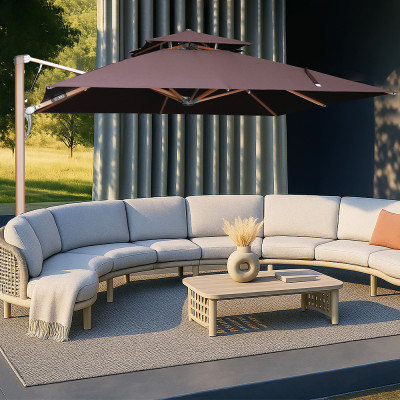
Common Mistakes in Choosing Outdoor Sun Umbrellas and How to Avoid Them: Designing for Durability and Professionalism
Choosing the right outdoor sun umbrella might seem straightforward, but common pitfalls can lead to frustration and wasted resources. A well-chosen outdoor sun umbrella is more than just a shield from the sun; it's an essential extension of your brand or a vital component of your outdoor living space. Investing wisely ensures your umbrellas will stand the test of time, look professional, and truly represent your vision.
However, the path to finding the perfect umbrella is laden with potential missteps. From selecting flimsy materials that buckle under the first sign of a breeze to overlooking the nuances of design and maintenance, these errors can turn a promising investment into a recurring expense. We'll explore these common mistakes in detail and provide expert guidance on how to avoid them, ensuring your investment in outdoor shading is both durable and professional. Let's delve into the common mistakes people make and how you can make informed decisions.
Key Takeaways
- Prioritize Material Quality: The longevity of an outdoor umbrella depends almost entirely on the quality of its frame and fabric. Opting for commercial-grade materials like heavy-duty aluminum or flexible fiberglass for the frame, and solution-dyed acrylics for the canopy, will save money in the long run by preventing premature failure and fading.
- Design is a Branding Opportunity: An umbrella is a large canvas. Don't just stamp a logo on it. Use bold patterns, brand colors, and compelling slogans to turn your shade solution into a powerful marketing tool that enhances your space's aesthetic and customer experience.
- Size and Shape Impact Functionality: The right size and shape are critical for effective shade. A common rule is for the umbrella to extend at least two feet beyond the table or area it's covering. The choice between round and square shapes affects both the look and the efficiency of the shade footprint.
- Color Choices Affect Comfort and Durability: Lighter-colored canopies reflect more heat, keeping the area underneath cooler, but may show dirt more easily. Darker colors often provide superior UV protection and make branding pop, but they can absorb more heat.
- Proper Maintenance is Non-Negotiable: Avoid harsh chemicals like bleach and high-pressure washers, which can strip protective coatings and destroy fabric fibers. Gentle cleaning with mild soap and water, along with proper storage, will dramatically extend the life of your umbrella.
Common Mistakes in Choosing Outdoor Sun Umbrellas and How to Avoid Them: Overlooking Umbrella Quality and Materials
The single most frequent and costly mistake in purchasing outdoor umbrellas is underestimating the importance of material quality. The allure of a low upfront cost often blinds buyers to the poor construction and inferior materials that lead to a short lifespan and, ultimately, a higher replacement cost. A beautiful umbrella is useless if it fades, tears, or breaks after a single season. This section will deconstruct the critical material components of a quality umbrella, empowering you to invest in a product built for durability and professional presentation.
The Peril of Picking a Low-Quality Umbrella
Opting for a cheap, residential-grade umbrella for a commercial setting or even a high-use home patio is a classic example of false economy. These products are simply not engineered to withstand the daily rigors of sun, wind, and rain. They may look appealing on the showroom floor, but their weaknesses are quickly exposed once they are put to use.
Why a Sturdy Frame Matters
The frame is the skeleton of your umbrella, and its integrity is paramount to both safety and longevity. A weak frame is not only a waste of money but also a significant safety hazard. In even a moderate breeze, a flimsy pole can bend or snap, and thin ribs can break, potentially causing damage to property or injury to guests.
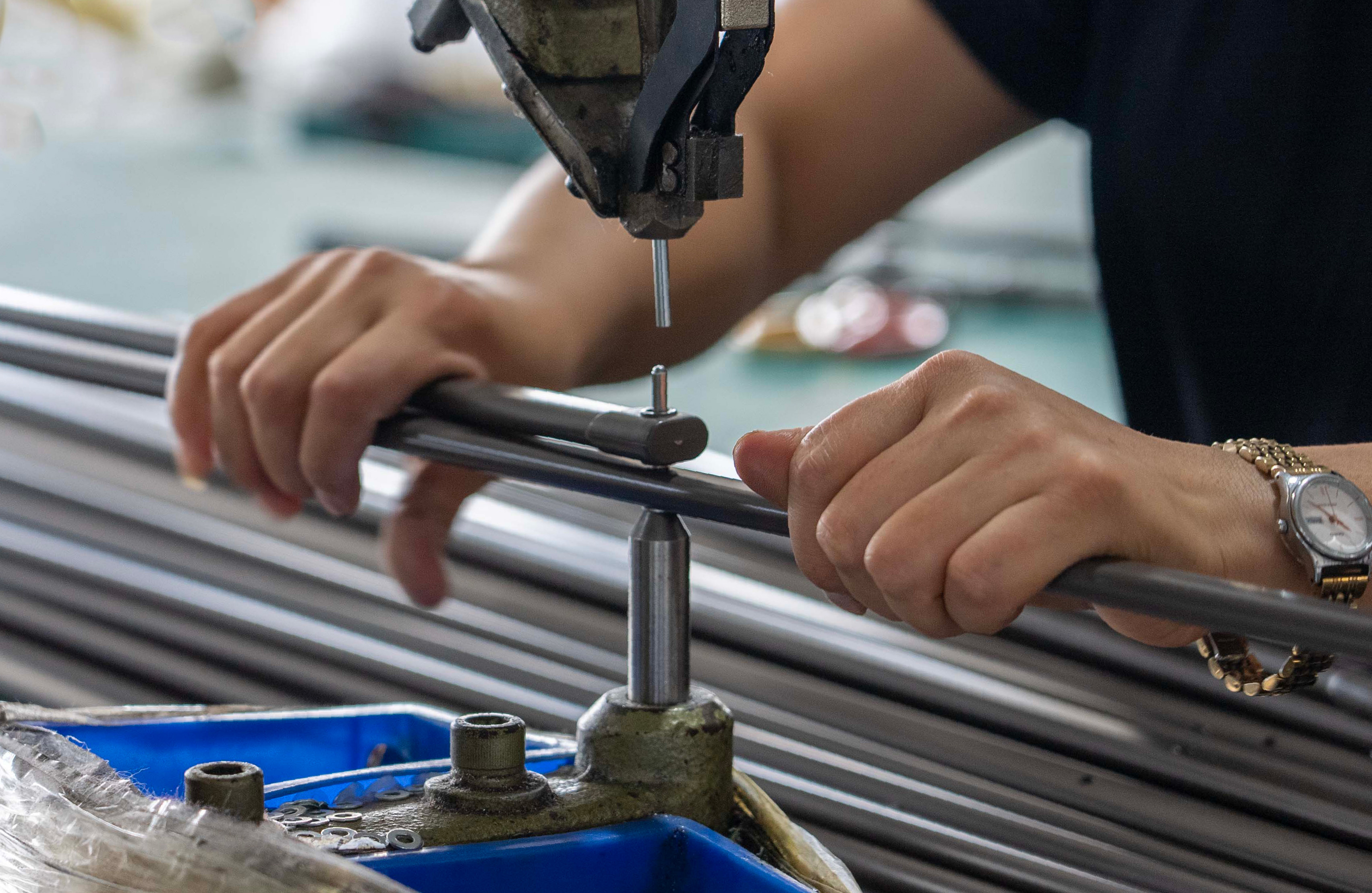
Key indicators of a poor-quality frame include thin poles, weak rib materials, and unstable plastic components in the tilting or lifting mechanisms. Steel poles, unless specifically treated for marine environments, should generally be avoided as they are prone to rusting from the inside out. The thickness of the material is a critical, yet often overlooked, detail. Cheap umbrellas might use aluminum tubes with a wall thickness of just 0.3 mm, which is grossly inadequate. For a quality umbrella, a minimum tube thickness of 1 mm is a good starting point, with commercial cantilever models requiring upwards of 2.5 mm for their main support poles to ensure stability.
Investing in Commercial-Grade Durability
Commercial-grade umbrellas are fundamentally different from their residential counterparts found in big-box stores. They are built to endure constant daily use in demanding environments like restaurant patios, hotel poolsides, and public spaces. Investing in a commercial-grade product means you are paying for superior engineering and materials that translate directly to a longer service life.
A commercial umbrella typically features a thicker pole (1.5" to 2" diameter compared to 1.25" for residential), stronger and often replaceable ribs, and more robust lift and support systems. The hardware, such as bolts and connectors, will often be stainless steel instead of consumer-grade aluminum to provide greater strength and corrosion resistance under demanding conditions. While the initial cost is higher, a commercial-grade umbrella can last up to five years longer than a residential one, offering a much better return on investment.
Understanding Awning Fabric Materials
The canopy fabric is your first line of defense against the elements. It takes the brunt of UV radiation, repels rain, and displays your branding. Choosing the wrong fabric leads to rapid fading, tearing, and an unprofessional appearance. The primary choice is typically between premium acrylic fabrics and more budget-conscious polyester options.
Acrylic: The Premium Choice
Solution-dyed acrylic fabric is the gold standard for outdoor canopies. Brands like Sunbrella and Recacril have built their reputations on this material's exceptional performance. The "solution-dyed" process is key; the color pigment is added to the acrylic fibers while they are still in a liquid state. This means the color is locked into the core of the fiber, providing unparalleled resistance to fading from sun exposure.
Benefits of Solution-Dyed Acrylic:
- Fade Resistance: Will maintain its vibrant color for years, even in intense sunlight.
- UV Protection: These fabrics offer excellent UV protection, often achieving a UPF (Ultraviolet Protection Factor) of 50+, which is the highest rating available and blocks over 98% of harmful UV rays.
- Water Repellence: Treated to repel water, keeping the area underneath dry during light to moderate rain showers.
- Cleanability: They are typically easy to clean and resist mold and mildew growth.
While the upfront cost is higher, the longevity and enduring appearance of acrylic fabric make it a worthwhile investment for any professional application.
Polyester: A Budget-Friendly Alternative
Polyester is a common material for more affordable umbrellas. It is a synthetic fabric that can offer decent durability for its price point. However, not all polyester is created equal. Standard, piece-dyed polyester will fade noticeably within a single season. Higher-quality versions may be coated with polyurethane (PU) to enhance water resistance or receive special treatments to improve UV durability.
While it can be a viable option for those on a tight budget or for areas with less intense sun exposure, it's crucial to understand its limitations. A polyester canopy, even a good one, will not match the long-term colorfastness and durability of a solution-dyed acrylic.
Framework Material Considerations
Alongside fabric choice, the frame material is a critical decision that impacts the umbrella's strength, weight, and resistance to corrosion. The primary contenders in the commercial market are fiberglass and aluminum.
Fiberglass: Durability and Flexibility
Fiberglass has become an increasingly popular choice, especially for umbrella ribs. Its key advantage is its flexibility. In windy conditions, fiberglass ribs are designed to bend and flex without breaking or permanently deforming, which is a common failure point for other materials. This makes fiberglass frames exceptionally wind-resistant and a prime choice for coastal areas or open, breezy locations. Furthermore, fiberglass is completely immune to rust and corrosion, ensuring long-term structural integrity.
Aluminum: Practicality and Rust Resistance
Aluminum is the most common material for high-quality umbrella frames due to its excellent combination of strength, low weight, and natural corrosion resistance. Unlike steel, it will not rust, making it ideal for outdoor use. For added protection and aesthetic appeal, aluminum frames are typically powder-coated. This process involves applying a dry powder electrostatically and then curing it under heat to create a hard finish that is much more durable than conventional paint. This coating further protects the metal and provides a wide range of color options. When selecting an aluminum frame, it is essential to consider the gauge or thickness of the aluminum, as a heavy-duty pole will provide significantly more strength and stability.
Common Mistakes in Choosing Outdoor Sun Umbrellas and How to Avoid Them: Neglecting Design and Print Quality
In a commercial setting, an outdoor umbrella is far more than just a provider of shade; it is a powerful branding and marketing tool. A common mistake is to treat its design as an afterthought, simply placing a logo on a plain background. This approach misses a massive opportunity to enhance your business's atmosphere, attract customers, and reinforce your brand identity. Equally detrimental is choosing a low-quality printing process that allows your carefully crafted design to fade, peel, or run, making your brand look cheap and neglected.
Beyond Basic Branding: Getting Creative With Your Design
Your umbrella canopy is a blank canvas visible from a distance. Using this space effectively can transform an ordinary patio into a memorable and "Instagrammable" experience. Moving beyond a simple logo can capture attention and communicate the personality of your brand.
The Impact of Bold Patterns and Slogans
Think of your umbrellas as part of your decor and brand story. Bold stripes, geometric patterns, or custom motifs that align with your brand's aesthetic can create a vibrant and cohesive look. For example, a seaside cafe could use a navy and white cabana stripe, while a modern urban bar might opt for a sleek monochrome geometric pattern.
Slogans can also be incredibly effective. A catchy phrase or a witty line printed on the valance or a panel of the umbrella can engage customers and make your brand more memorable. It's a subtle yet powerful way to communicate your brand's voice and values. These design choices contribute to the overall ambiance, making the space more inviting and encouraging patrons to stay longer.

Crafting Compelling Visuals
The visual impact of your outdoor space has a direct effect on customer perception. A collection of well-designed, high-quality umbrellas signals professionalism and attention to detail. They can tie together an entire outdoor design scheme, complementing the furniture, lighting, and landscaping.
Consider the entire visual experience from the street and within the seating area. How do the umbrella colors work with your building's facade? Do they create a welcoming beacon for passersby? Crafting compelling visuals involves thinking about color psychology, pattern harmony, and the overall narrative you want your space to tell. By investing in custom design, you turn a functional item into a key feature of your establishment's appeal.
The Importance of Print Quality for Outdoor Fabrics
A brilliant design is only as good as the print quality that brings it to life. Outdoor environments are harsh, with constant exposure to UV rays, rain, and dirt. A printing method that isn't up to the task will quickly degrade, taking your brand's image down with it.
Protecting Your Brand from the Elements
The sun is the biggest enemy of printed fabric. Its UV rays are relentless, breaking down the chemical bonds in ink and causing colors to fade dramatically. A vibrant red can turn into a dull pink in a matter of months if the wrong ink or process is used. Similarly, rain can cause poorly applied inks to run or smudge.
To protect your brand, it's essential to use printing processes specifically designed for outdoor textiles. This often involves UV-cured inks, which are dried and hardened by ultraviolet light, creating a durable, fade-resistant finish. High-quality prints are an investment in maintaining a professional appearance season after season.
High-Resolution Imagery and Specialized Printers
Achieving a crisp, professional-looking print on a large surface like an umbrella requires both high-resolution source files and specialized printing equipment. Using a low-resolution logo or image will result in a pixelated, blurry mess when scaled up. Always provide your printer with vector files (like .AI or .EPS) for logos and text, as these can be scaled infinitely without losing quality.
There are several printing methods suitable for outdoor umbrellas, each with its pros and cons:
- Screen Printing: Ideal for simple designs with a limited number of solid colors (e.g., logos). It is very durable and cost-effective for large quantities. A screen is made for each color, and ink is pushed through the screen onto the fabric.
- Digital Printing (Direct-to-Fabric): Works like a giant inkjet printer, applying ink directly to the fabric. This method is perfect for complex, multi-color designs, photographic images, and gradients. It allows for more intricate detail than screen printing.
- Dye-Sublimation: Best for polyester fabrics. The design is printed onto special transfer paper and then heat-pressed onto the fabric. The heat turns the ink into a gas that permeates the fabric fibers, making the print incredibly durable and resistant to fading or cracking.
The right method depends on your design complexity, fabric choice, and order volume. Discussing these options with a reputable umbrella supplier is crucial to ensure your final product looks sharp and lasts.
Common Mistakes in Choosing Outdoor Sun Umbrellas and How to Avoid Them: Ignoring Shape, Size, and Color Implications
Beyond materials and print, the physical specifications of an umbrella—its shape, size, and color—have a significant impact on its functionality, aesthetic appeal, and branding effectiveness. A common mistake is choosing these attributes based on personal preference alone, without considering the specific needs of the space or the practical implications of the choice. An umbrella that is too small won't provide adequate shade, while one that is too large can overwhelm a space. The wrong color can make a space feel hotter or show dirt too easily.
Considering Umbrella Shape and Size for Optimal Impact
The dimensions and geometry of your umbrella are fundamental to its performance. The goal is to provide maximum effective shade while complementing the layout of your furniture and the overall design of the area.
Matching Design to Umbrella Specifications
The shape and construction of an umbrella can influence how a design is perceived. Most umbrellas are made from several triangular panels stitched together. When placing a logo or a linear design, it is crucial to consider how it will look across these seams. A large, circular logo might work well on a square umbrella but could be distorted or awkwardly bisected by the seams on an octagonal market umbrella.
Work with your supplier's graphic design team to see a digital proof of your design on the specific umbrella model you are choosing. This allows you to adjust the placement and scaling to ensure your branding remains clear and visually appealing from all angles.
Circular vs. Square/Rectangular Umbrellas
The choice between a round or angular umbrella shape should be driven by both aesthetics and function.
- Circular (Octagonal) Umbrellas: This is the classic "market umbrella" style. It works perfectly for shading round or small square tables, creating a traditional and inviting look. However, their coverage is less efficient for shading larger or rectangular areas, often leaving corners exposed to the sun.
- Square/Rectangular Umbrellas: These shapes are far more efficient for maximizing shade coverage. They are ideal for shading square or long rectangular dining tables. Furthermore, multiple square umbrellas can be placed side-by-side with minimal gaps, creating a larger, continuous area of shade that is perfect for large patios or poolside lounging areas. Cantilever (or offset) umbrellas often feature square canopies, providing unobstructed, flexible shade over seating arrangements.
A helpful rule of thumb for sizing is that the umbrella canopy should extend at least two feet beyond the edge of the table or seating area on all sides to provide effective shade throughout the day.
| Table Size/Shape | Recommended Umbrella Shape | Recommended Umbrella Size |
|---|---|---|
| 30"-36" Round Table | Round (Octagonal) | 7.5 ft Diameter |
| 48" Round Table | Round (Octagonal) | 9 ft Diameter |
| 4-person Square Table | Square | 8 ft x 8 ft |
| 6-8 person Rectangular Table | Rectangular or 2x Square | 10 ft x 13 ft or two 8x8 ft |
Light vs. Dark Patio Umbrellas: What's Best?
The color of the canopy is not just an aesthetic choice; it directly affects the temperature underneath, the level of UV protection, and the visibility of your branding.
Cooling Properties and Maintenance of Lighter Shades
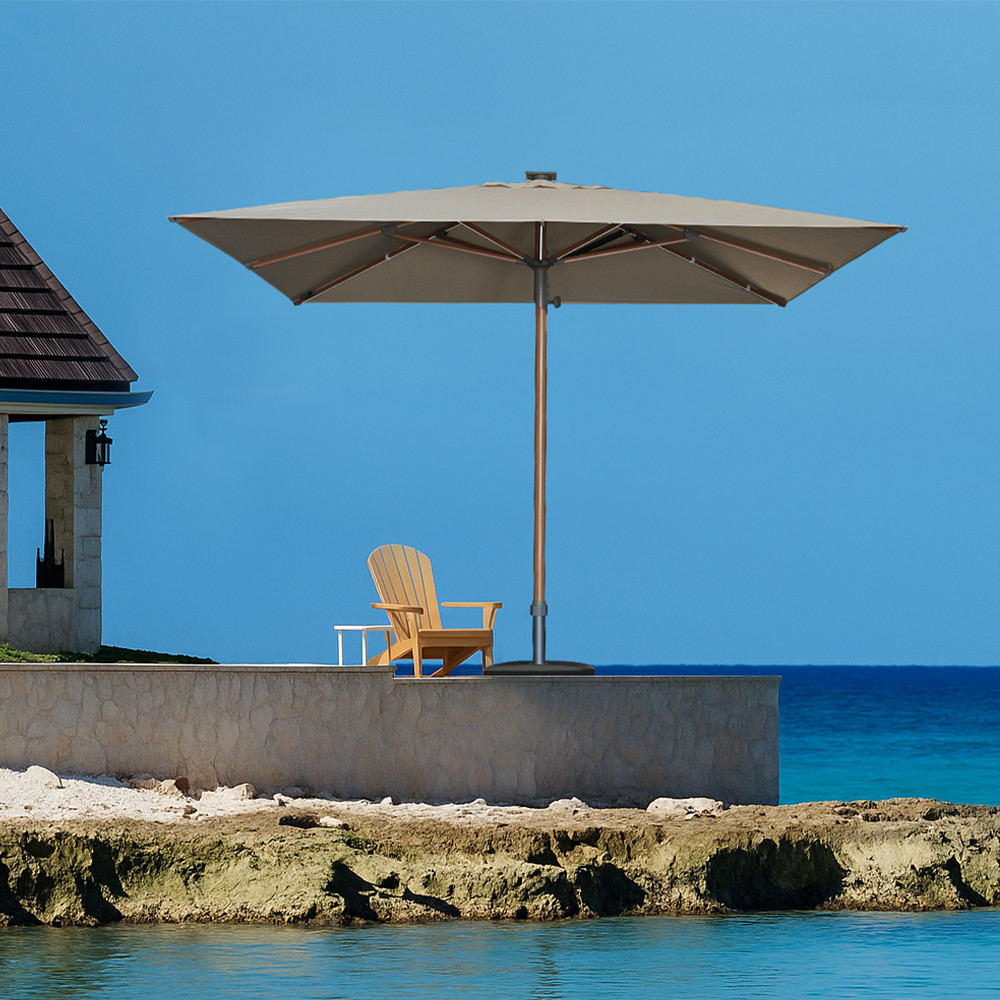
Lighter colors such as white, beige, or light gray are excellent at reflecting sunlight and heat. This can make the shaded area feel noticeably cooler, a significant advantage in hot, sunny climates. They create a bright, airy atmosphere.
However, the primary drawback of light-colored canopies is maintenance. They show dirt, pollen, and stains from bird droppings much more readily than darker colors. If you opt for a light-colored umbrella, be prepared for more frequent cleaning to keep it looking fresh and professional.
UV Protection and Brand Visibility of Darker Hues
Darker colors like navy, black, forest green, or burgundy are superior at absorbing UV rays. This can often translate to a slightly higher level of sun protection for the people sitting underneath. While this difference is marginal with high-UPF fabrics like Sunbrella, it can be more pronounced with lower-quality materials.
From a branding perspective, dark backgrounds provide excellent contrast for light-colored logos, making them stand out and appear more vibrant. The main downside is heat absorption. A dark canopy can absorb more of the sun's energy, potentially making the air underneath feel warmer. They are also more susceptible to visible fading over many years if the fabric is not a high-quality, solution-dyed material.
Common Mistakes in Choosing Outdoor Sun Umbrellas and How to Avoid Them: Maintenance Missteps
Purchasing a high-quality, professionally designed outdoor umbrella is a significant investment. A critical and often-neglected mistake is failing to implement a proper maintenance routine. Dirt, grime, mold, and mildew not only look unprofessional but can also permanently damage the fabric. Worse still, using improper cleaning methods, such as harsh chemicals or high-pressure washing, can cause irreparable harm, stripping protective coatings and destroying the material's integrity. Proper care is essential to maximizing the lifespan and appearance of your umbrellas.
Cleaning Your Patio Umbrella Effectively
Regular, gentle cleaning is the key to keeping your umbrella looking its best and preventing the buildup of damaging contaminants. The goal is to remove dirt and organic matter without compromising the fabric's built-in protective qualities.
Understanding Protective Coatings and Avoiding Harsh Cleaners
High-performance outdoor fabrics like Sunbrella are treated with a special finish that makes them water- and stain-repellent. This coating causes water to bead up and roll off, and it helps prevent stains from setting in. The biggest mistake in cleaning is using harsh detergents, solvents, or abrasive cleaners. These products will strip away this protective finish, leaving the fabric vulnerable to water saturation, staining, and mildew growth.
The best approach for routine cleaning is simple:
- Gently brush off any loose dirt and debris with a soft-bristle brush.
- Prepare a solution of lukewarm water and a mild soap, such as Woolite or Dawn dish soap.
- Use a soft cloth or sponge to clean the fabric in sections.
- Rinse thoroughly with clean water to remove all soap residue. Soap left on the fabric can attract more dirt.
- Allow the umbrella to air dry completely in an open position before closing it.
The Wet & Forget Ready-To-Use Method for Non-Removable Fabric Tops
For stubborn green and black stains caused by mold, mildew, and algae, especially on canopies that are difficult to remove, a gentle, pH-neutral outdoor cleaner can be highly effective. Products like Wet & Forget are designed to work with wind and rain over time to clean surfaces without any harsh scrubbing or rinsing.
To use this method, you simply spray the affected areas of the dry canopy on a cool, overcast day to avoid rapid evaporation. The product then goes to work, killing the organic growth. Subsequent rainfall helps to rinse the dead growth away, gradually revealing a clean surface. This is a much safer alternative to using bleach for mildew removal, although it does require patience as the results are not immediate.
Why Bleach and Pressure Washers are Detrimental
In an attempt to quickly deal with tough stains or heavy soiling, many people turn to the two most damaging tools: bleach and pressure washers. Both should be avoided as they can cause far more harm than good.
The Damaging Effects of Bleach on Outdoor Fabrics
While some fabric manufacturers state that a heavily diluted bleach solution can be used on their products for severe stains, this should be considered an absolute last resort and performed with extreme caution. For most fabrics, especially polyester and lower-grade acrylics, chlorine bleach is a destructive force.
Bleach attacks the fabric fibers themselves, weakening them and making them brittle and prone to tearing. It also causes irreversible color damage, creating unsightly blotches and ruining the overall appearance of your branded umbrella. Using bleach on your canopy will almost certainly void its warranty.
The Risks of High-Pressure Washing
A pressure washer may seem like an efficient way to blast away dirt, but the high-pressure stream of water is incredibly aggressive on fabric and seams. The force can easily:
- Tear the Fabric: A concentrated jet can rip holes directly through the canopy material.
- Break Seams: The pressure can burst the stitching that holds the panels together, leading to catastrophic failure.
- Strip Protective Coatings: It will forcefully remove the factory-applied water- and stain-repellent finish, diminishing the fabric's performance.
- Damage the Frame: The powerful blast can chip paint or powder coating on the frame, opening it up to corrosion.
If you feel you must use a washer, it should be on the absolute lowest pressure setting, using a wide-angle fan tip, and held at a considerable distance from the fabric. However, the safest and most recommended method will always be gentle, manual cleaning.
Frequently Asked Questions (FAQ)
Q1: What is the most durable material combination for an outdoor umbrella? A: The most durable combination for a long-lasting, professional-grade outdoor umbrella is a frame with a heavy-duty, powder-coated aluminum pole and flexible fiberglass ribs, paired with a canopy made from solution-dyed acrylic fabric. The aluminum pole provides core strength and rust resistance, the fiberglass ribs offer superior wind resistance by flexing instead of breaking, and the solution-dyed acrylic fabric ensures maximum fade resistance and longevity.
Q2: How do I choose the right size umbrella for my patio table? A: A widely accepted rule of thumb is to choose an umbrella that has a diameter at least four feet wider than your table. This means the canopy should extend about two feet beyond the edge of the table on all sides. This ensures that all seating positions receive adequate shade, even as the sun moves across the sky. For a 4-foot (48-inch) table, you should look for an umbrella that is at least 8 feet in diameter.
Q3: Are darker or lighter colored umbrellas better for hot, sunny climates? A: There is a trade-off. Lighter colors (white, beige, light gray) are better for keeping the space underneath cooler because they reflect more of the sun's heat. Darker colors (black, navy, dark green) are better at absorbing UV rays, sometimes offering slightly more sun protection, and they hide dirt more effectively. For maximum cooling, a light-colored umbrella with a high UPF rating and a vented top (to allow heat to escape) is the ideal choice.
Q4: How often should I clean my commercial patio umbrella? A: For commercial settings, a light cleaning should be performed monthly to prevent dirt and grime from building up. This involves brushing off loose debris and spot-cleaning any new stains with mild soap and water. A deeper, more thorough cleaning should be conducted at least twice a year, typically at the beginning and end of the main season. Always ensure the umbrella is completely dry before closing it for storage to prevent mold and mildew growth.
Q5: Is it safe to leave my patio umbrella open all the time? A: No, it is never safe to leave an umbrella open and unattended, especially in a commercial environment. All umbrellas should be closed during windy conditions to prevent them from being damaged or becoming a safety hazard. Even umbrellas with wind vents and heavy bases can be caught by a strong gust. Closing umbrellas overnight and when not in use is the single most important maintenance step to extend their life and ensure safety.
By understanding and avoiding these common mistakes, you can select outdoor sun umbrellas that are not only durable and functional but also enhance your brand's image and provide lasting value. Making informed choices about materials, design, size, and maintenance will ensure your umbrellas contribute positively to your space and reflect a professional aesthetic for years to come. Do not let a preventable error undermine your investment; choose wisely to create a comfortable, stylish, and enduring outdoor environment. We encourage you to share this guide with others and to apply these principles to your next outdoor umbrella purchase.